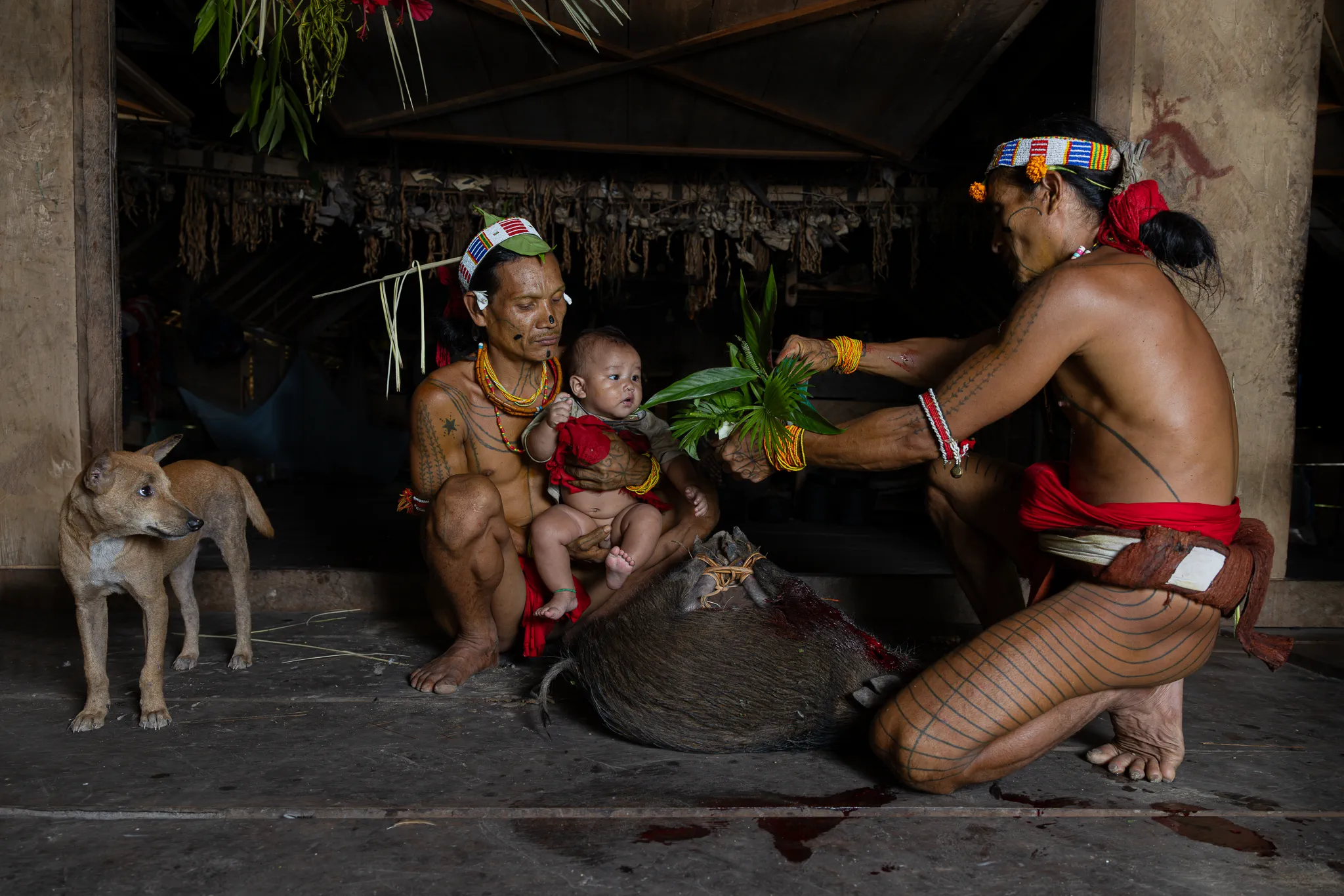
Tradition, family and the uncertain future of Mentawai culture.
Having known my Mentawai family on Siberut since 1990, I have witnessed profound changes in the lives of its younger generations. Schooling and new opportunities are opening doors to a different future, but children are spending less time with the elders from whom traditional knowledge has always been learned. Through personal stories of my family, I explore the growing distance between generations, the difficult choices facing young Mentawai, and the uncertain future of a spiritual tradition whose knowledge cannot simply be written down or preserved in photographs.
A world learned by living
I first came to Siberut in 1990. Over the years, the island and its people have become an important part of my life. I was adopted into a Mentawai family by the late shaman Aman Patre and his wife, who became my Mentawai mother and is now known as Teteu. Today, I am regarded as her son and as the older brother of her other children, my Mentawai brothers and sisters. My wife, Mega, is part of the family too. To the younger generation, we are uncle and aunt.
Being part of this family has allowed me to share a way of life that is difficult to understand from the outside. I have witnessed changes across generations, taken part in many clan rituals and family discussions, and watched children grow up in a world very different from the one their parents and I knew.
The Mentawai spiritual tradition is not something that can be understood simply by reading about it. It is woven into everyday life: the forest, the animals, the relationships between people, the knowledge of elders, and the responsibilities that come with belonging to a family and community.
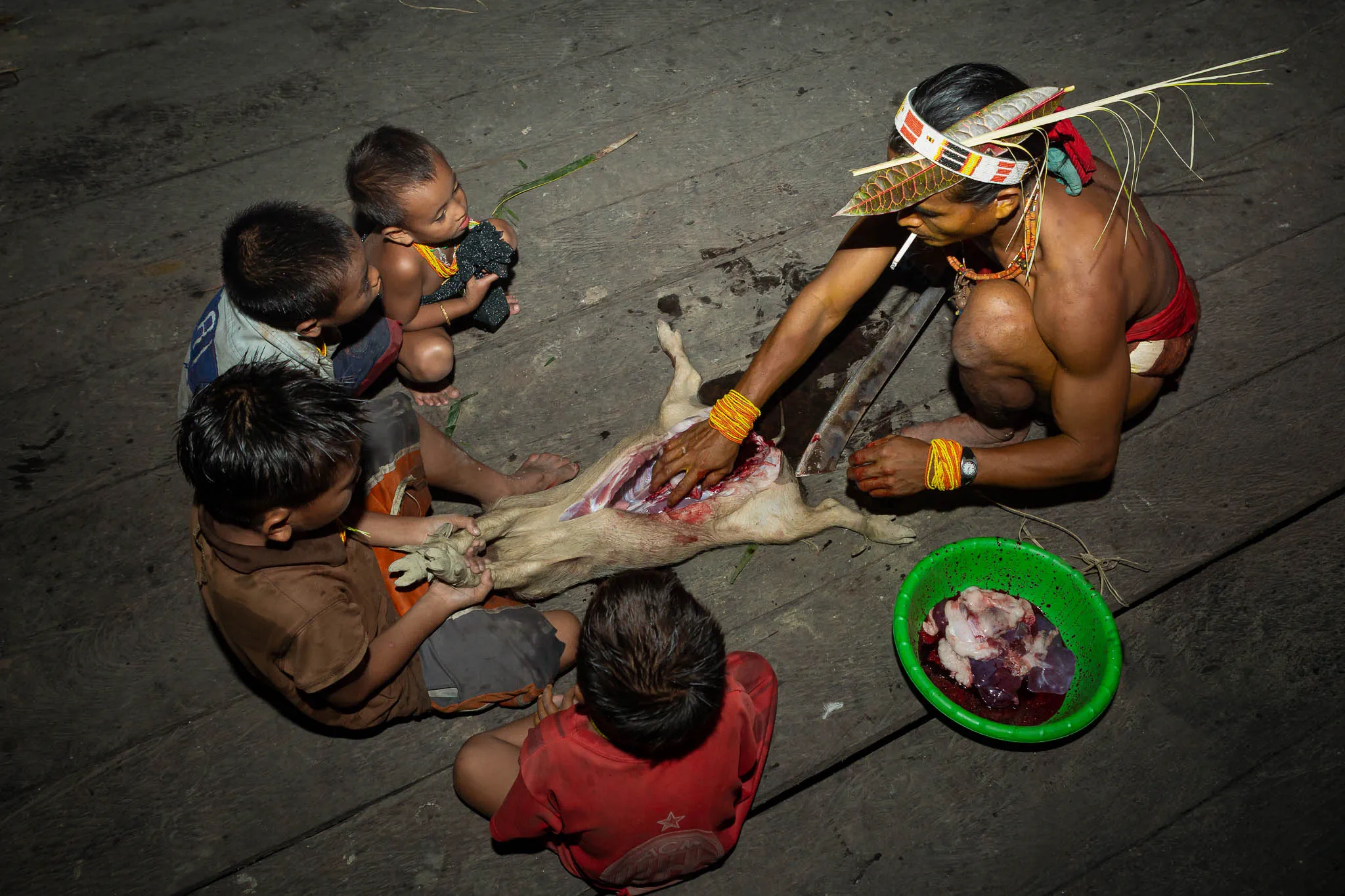
Much of this knowledge is learned through observation and participation. Children grow up watching their parents, older siblings, uncles, aunts and other relatives. They accompany them into the forest, to gardens and plantations, and into the activities that sustain the family. They observe the work of shamans and gradually become familiar with the spiritual world that forms an integral part of their community.
There is no formal curriculum, no classroom and usually no moment when an adult sits down to explain everything a child needs to know. Learning happens along the way, through years of being present.
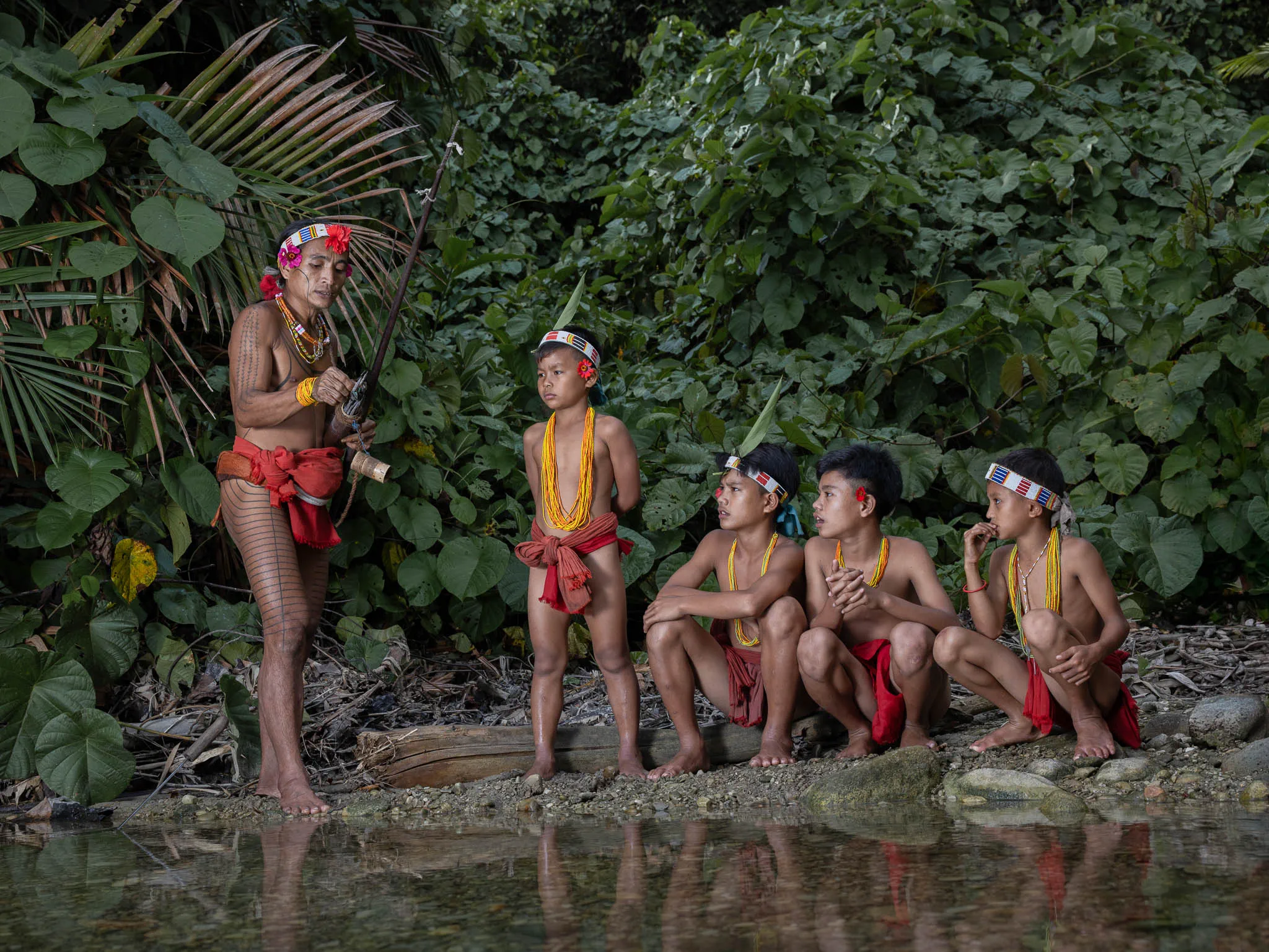
Traditionally, this was how knowledge passed from one generation to the next, and also between people of the same generation. Children did not need to make a conscious decision to learn the traditional way of life. They grew up immersed in it.
But that world has changed. One of the questions that has occupied my mind for many years is what happens when children no longer spend their formative years surrounded by the people and activities through which this knowledge was once acquired.
Who will carry the knowledge forward?
School changed everything
One of the most significant changes I have witnessed concerns the amount of time children now spend away from their community.
Over the past twenty to twenty-five years, schooling has become an increasingly important part of life for children in the more remote communities I know.
Even reaching elementary school in Buttui requires at least a thirty-minute walk each way. When flooding occurs, the journey can take longer, or may not be possible at all. Junior high school involves an hour or more of walking through the jungle, crossing small streams and swampy ground, and climbing hills.
Children often leave home around five in the morning, while it is still dark, and return late in the afternoon. By then, they are tired. Sometimes they have a little homework, although not usually a great deal. Before long, the day is over.
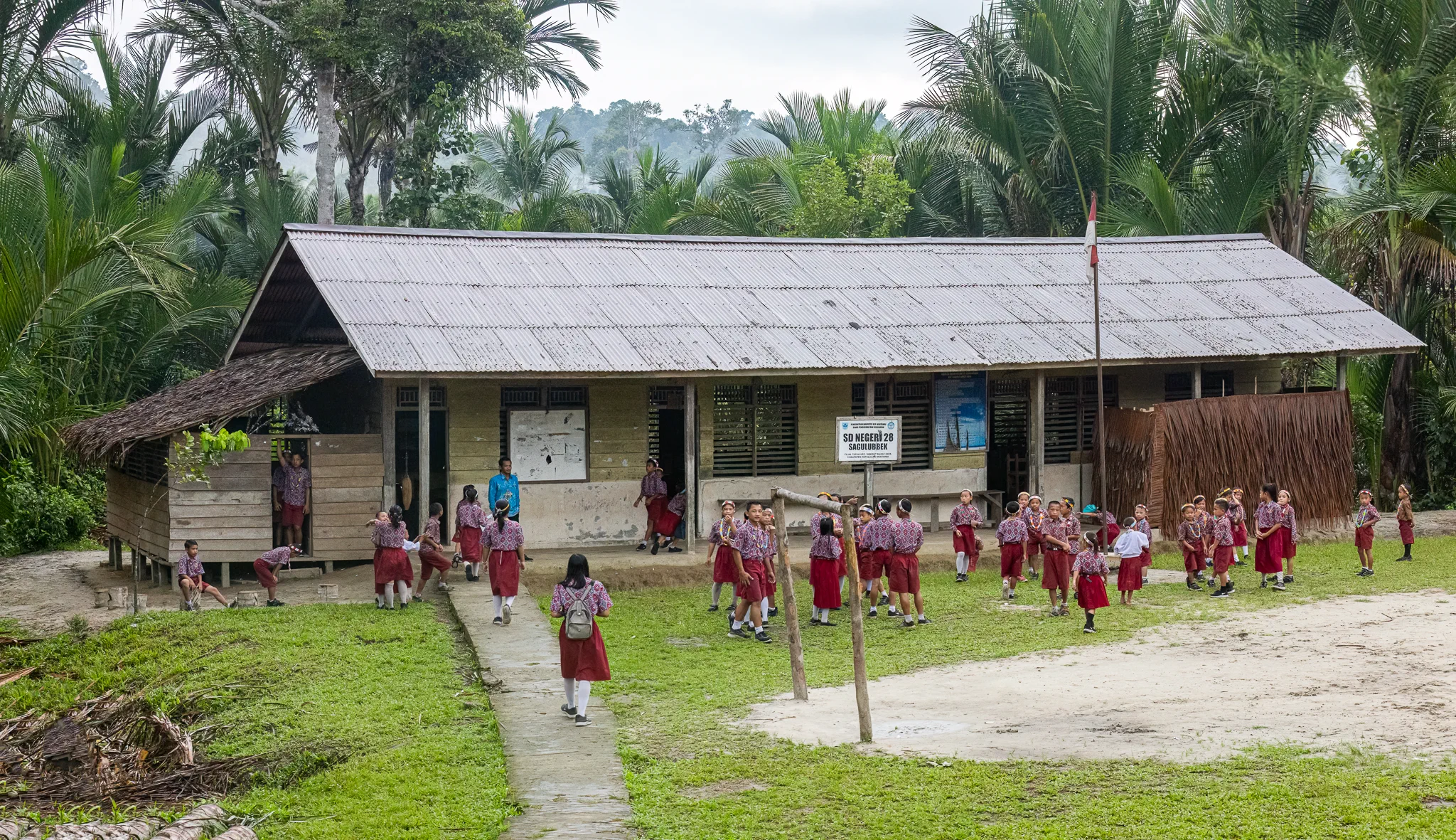
Senior high school is near the east coast, about half a day’s walk away. It is possible to travel part of the way by motorbike or pickup, but the cost is beyond what many families can afford. Children from Buttui who attend senior high school therefore generally return home only during holidays, and occasionally for a weekend.
Meanwhile, their parents and other relatives have spent much of the day working in the forest, gardens and plantations. By late afternoon, many adults have returned to the uma, where family members gather and socialise.
These are precisely the hours during which children would traditionally have spent time with their older relatives. They could have accompanied them in their work, listened to their conversations, watched what they did and gradually learned things that nobody needed to teach them formally.
Instead, much of that everyday contact and learning is lost.
The consequences extend beyond learning practical skills. Children miss opportunities to spend time with older siblings, cousins, uncles, aunts, parents and other members of the community. They are less exposed to the knowledge and experience of the people who traditionally would have helped shape their understanding of the world.
In my experience, school does not simply take children away from the people and activities through which traditional knowledge is acquired. It also changes their interest in the traditional way of life itself. The more time children spend at school and away from their community, the more their attention and ambitions tend to shift towards the world beyond the forest.
This is not to say that education is a bad thing. It would be difficult to argue that children should be denied opportunities their parents never had. But there is a difference between recognising the value of education and assuming that education alone will provide everything a young person needs to build a good life.
There is also a financial dimension. Families living in social villages, or closer to the coast, have generally found more opportunities to earn cash and pay school fees. For families living further away, deep in the forest, this can be much harder, particularly when they have many children. Aman Sasali, for example, now has seven children.
In our own family, Mega and I help with school fees when parents cannot afford them or run short of money. But paying for school is only part of the problem.
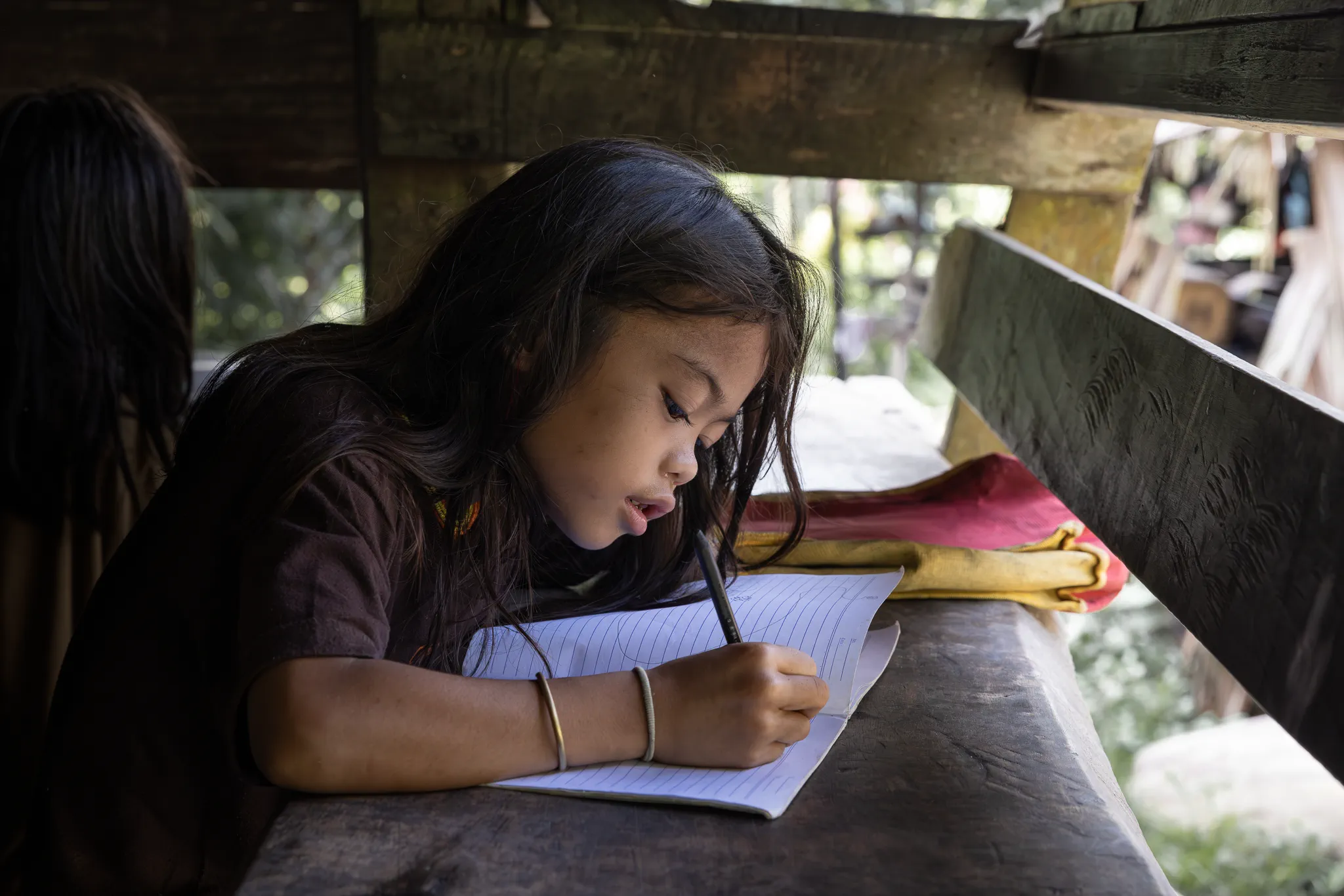
School changes more than the daily lives of children. It also changes the opportunities they imagine for themselves, the time they spend with their elders, and the knowledge they acquire along the way. These changes create two related challenges: how young people can prepare for a future beyond the forest, and what happens to the traditional knowledge they may no longer have the opportunity to learn.
The missing foundation
The consequences of these changes are particularly important when it comes to becoming a shaman.
A Mentawai shaman does not acquire all the necessary knowledge simply by deciding to become one and finding an experienced teacher. Before entering the more intensive phase of learning under a paumat, a personal shamanic teacher, an aspiring shaman traditionally needs a considerable foundation of knowledge and experience.
That foundation develops over many years. It includes familiarity with the spiritual world, communication with spirits, rituals, medicinal plants and plants used as mediators in spiritual practices. It also involves understanding the relationships and responsibilities that connect people, their surroundings and the spiritual world.
Much of this knowledge is acquired gradually, through growing up around experienced shamans and participating in everyday community life.
A boy might spend years observing his father, uncles or other shamans long before he ever considers becoming a shaman himself. He would have the opportunity to learn simply by being there.
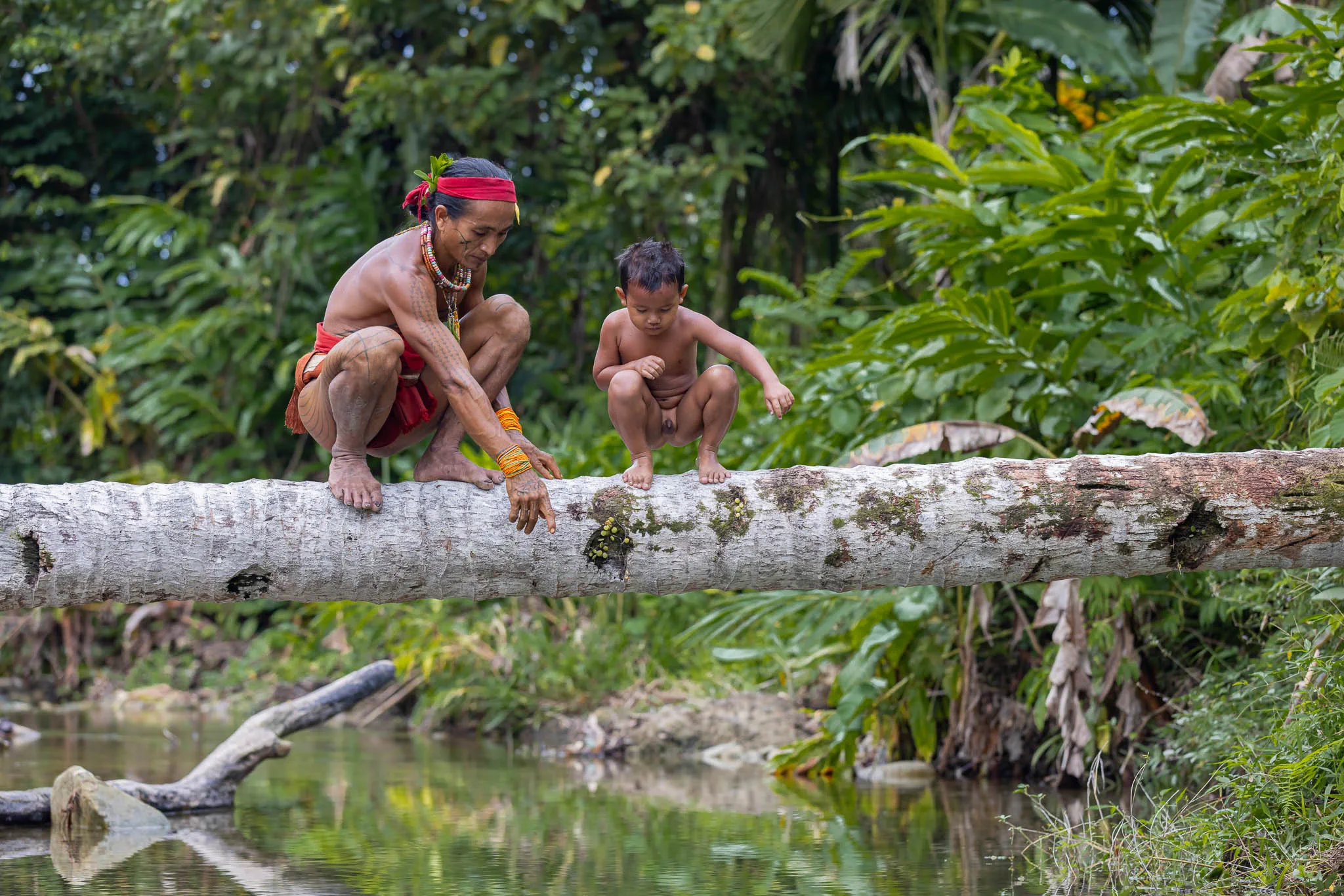
Today, a child may spend six years at elementary school, another three years at junior high school and potentially three more years at senior high school. Much of that time is spent away from the community, and therefore away from the people and activities through which this traditional foundation would once have developed.
A boy could still decide after junior or senior high school that he wants to become a shaman, and he might still find a paumat willing to teach him. But the decision comes with a difficulty: he may be starting that more intensive learning without the years of everyday exposure and experience that would traditionally have prepared him for it.
This is the contradiction I see. Education opens doors to a different future, but the time spent pursuing it can make it much harder to acquire the knowledge needed to continue an important part of the traditional way of life.
It is a kind of catch-22. By the time a young person is old enough to make an informed choice about becoming a shaman, the conditions that would traditionally have prepared him for that choice may already have changed.
The difficulty extends beyond the spiritual tradition. School takes children away from the everyday life in which traditional knowledge is acquired, while also introducing them to possibilities beyond the forest. Yet the education that opens these doors does not necessarily prepare them for what lies on the other side.
Dreams of another life
School also introduces children to a world beyond their own community.
They meet other children, including those from social villages who may already have mobile phones. Telephone coverage has expanded across Siberut, and schools increasingly have access to Wi-Fi. Social media, YouTube and TikTok bring images of places, people and lifestyles that would once have been almost unimaginable to children growing up deep in the forest.
They begin to see possibilities elsewhere: a job, a modern house, life in a town or perhaps a future on the mainland in Sumatra. They start to develop personal ambitions and dreams of their own, whereas traditionally the community came first and a child’s future emerged largely through participation in family life.
Over the years, I have spoken with many Mentawai children of different ages about what they want to do when they grow up. Among younger children, the answers are often familiar ones: becoming a nurse, a teacher, a police officer or a soldier. I sometimes refer to these as the usual suspects.
As they grow older, their answers tend to change. Some of the familiar childhood ambitions disappear, while other possibilities emerge. Becoming a teacher still comes up occasionally. Many children still have no idea what they want to do, even when they are about to graduate from senior high school.
What strikes me more, however, is how difficult it often is for them to work out how they might turn these ambitions into reality. A child may genuinely like the idea of becoming a nurse or a teacher, but have little understanding of the education, commitment and planning required to get there, let alone the costs involved, which most of their parents are not able to afford.
Their ambitions can also be fragile. A conversation with a classmate, a video on social media or exposure to another possibility can change what they imagine for themselves. The desire for a different life may be genuine, but the direction is often uncertain.
I do not think this is simply a lack of motivation. It is also a question of experience. These children are discovering new possibilities without necessarily having the knowledge, guidance or examples around them that would help them navigate the path towards those possibilities.
Traditionally, Mentawai children did not need to decide what kind of career they wanted to pursue. They grew up as members of a community, gradually taking on the activities and responsibilities of their older relatives. Their future emerged through participation in everyday life rather than through a carefully planned individual path.
The adults around them grew up in much the same way. They learned what needed to be done and did it, responding to daily needs and the responsibilities of family and community. They did not grow up having to imagine a wide range of alternative futures or develop a roadmap for achieving a personal ambition.
Even larger projects, such as building a new uma or establishing a plantation, often develop through a process of gradual decisions and adjustments rather than a fixed plan drawn up in advance. The design, size and sometimes even the location can change as the work progresses.
Planning for a career in the outside world requires a different approach. It can involve years of education, choosing a direction, making sacrifices and remaining committed to a goal even when the rewards are still far away.
I have tried to explain these things to young people. They listen, and I can see that they understand what I am saying. But understanding the words is not necessarily the same as being able to translate them into a different way of thinking about the future.
They do not often see that kind of long-term planning among their peers or in their everyday lives back home. It is difficult to develop a mindset that is so different from the environment in which you grew up.
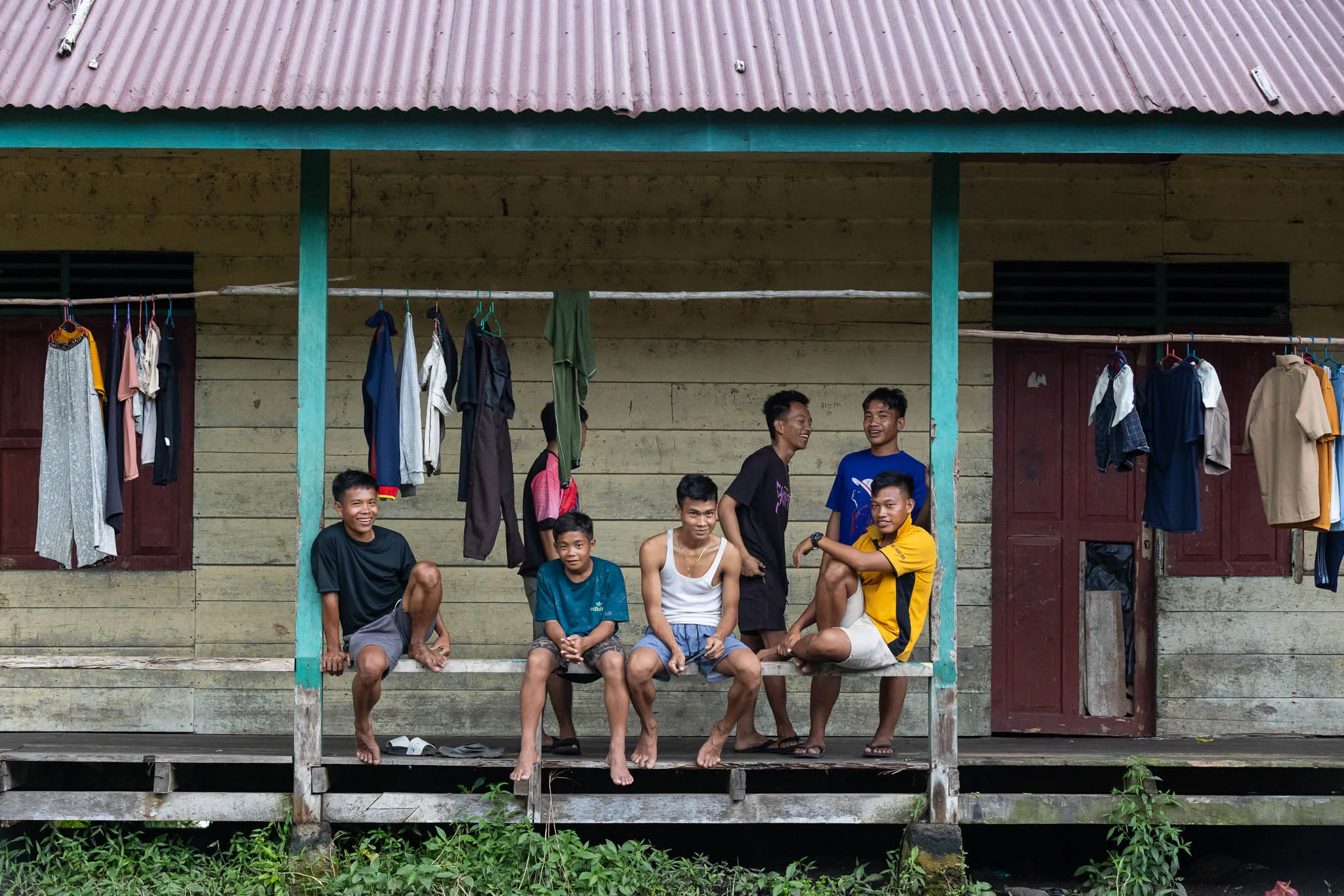
Education does not guarantee a different future
The financial obstacles do not end with school fees. Further education, whether at a college or university, is considerably more expensive and beyond the reach of most families still living traditionally in the forest. Some young Mentawai do manage to continue their studies, sometimes with government support intended for indigenous people or funding from other sources. I have seen many graduate from senior high school, and some go on to complete higher education.
Yet education does not automatically translate into the future they had imagined.
Over the years, I have seen many young Mentawai struggle to find work that matches their education or ambitions. Even those who complete university can find themselves competing for jobs with young people who grew up in a very different environment, in places such as Padang or Jakarta. Their qualifications may be similar, but they do not necessarily have the same experience, confidence, networks or familiarity with the expectations of the modern workplace.
The ability to plan ahead, pursue opportunities and navigate an unfamiliar system does not necessarily develop simply because someone has spent years in education.
Many eventually return to Siberut without having found the kind of work they hoped for. Some settle in a social village or somewhere between the coast and the forest, trying to piece together a living from whatever opportunities they can find.
In a sense, they are back where they started, but not entirely. They may have spent years away from the environment in which their parents grew up, without acquiring the same depth of knowledge and practical skills for making a living in the forest. At the same time, the opportunities available to them on Siberut may be limited, and the qualifications they have worked hard to obtain do not necessarily open doors on the mainland.
Those who seek work in Sumatra’s towns and cities may end up doing manual labour on construction sites or washing dishes in cafés, restaurants or hotels. There is nothing wrong with such work in itself. The difficulty is that it may have little connection with the education they pursued or the future they hoped it would bring.
I have come to believe that moving from a traditional forest-based life into the modern world is not a transition that can necessarily be completed in a single generation. The first generation may acquire an education and begin to understand the possibilities beyond the community, yet still struggle to compete with those who grew up in that world from childhood.
Their children, and perhaps their grandchildren, may have a better chance. Growing up with different expectations, greater familiarity with modern institutions and more experience of the outside world, they may be better equipped to take advantage of the opportunities that their parents were unable to realise.
Of course, individual experiences differ, and there are exceptions. But what I have seen makes me question the assumption that education alone is enough to transform a young person’s prospects. It can open a door, but it does not necessarily provide all the skills, experience and support needed to walk through it.
This leaves me with an uncomfortable thought. Young people may leave behind the world in which their parents grew up without ever fully finding their place in the world they hope to enter. They can become caught between two worlds, having lost some of the knowledge that once sustained their families while still struggling to acquire the skills needed to make a different life.
A father's dilemma
One of the most striking examples of how much has changed within a single generation is found in my own family.
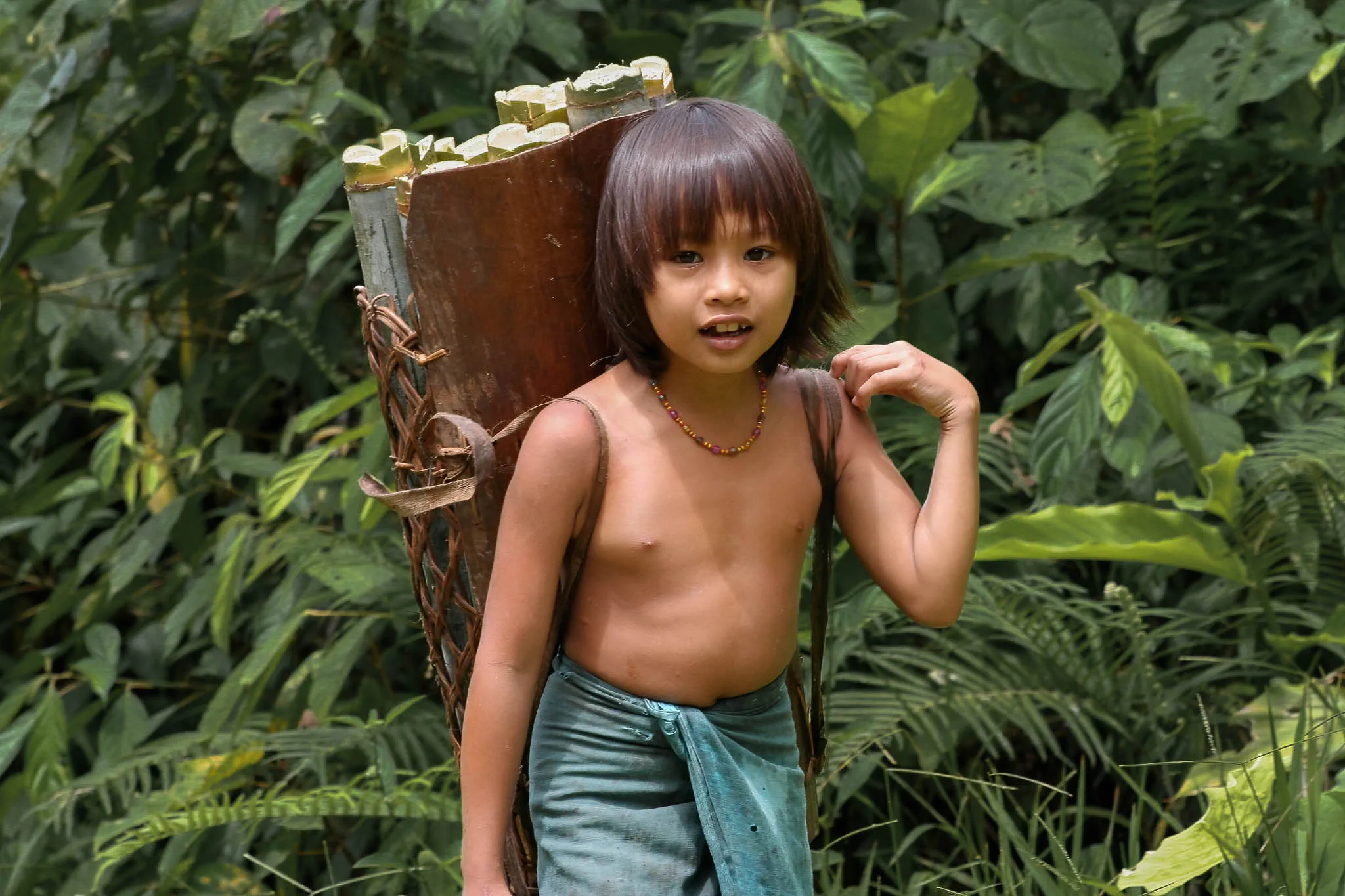
Aman Sasali, the youngest of my Mentawai brothers and sisters, was among the first children in his community to attend school. I remember it clearly, around 1992, when he was about six years old. An elementary school had been established in a social village at least an hour’s walk from the uma where he lived.
He was very excited about going to school. In those days, Mentawai boys commonly wore little loincloths made from tree bark or a piece of textile. Each morning, Aman Sasali would set off barefoot, wearing his traditional loincloth and carrying a small backpack made from rattan. Inside it, he had his school uniform and shoes.
He would walk for about an hour through the jungle, crossing small rivers and swampy ground. Once he reached school, he would change into his compulsory uniform and put on his shoes. After classes, he would change back into his loincloth, pack away his school clothes and make the long walk home.
For the first few days, he was enthusiastic. But after a couple of weeks, he began to miss the life he had known: spending his days with his older brothers and sisters, his parents, uncles and aunts, and the many other people who lived in and around the uma. At the time, around twenty to twenty-five people, adults and children, spent much of their time together there.
After about a month, he decided he no longer wanted to attend school. And that was the end of his schooling.
He continued to grow up within the community, following the traditional way of life, and eventually became a respected shaman.
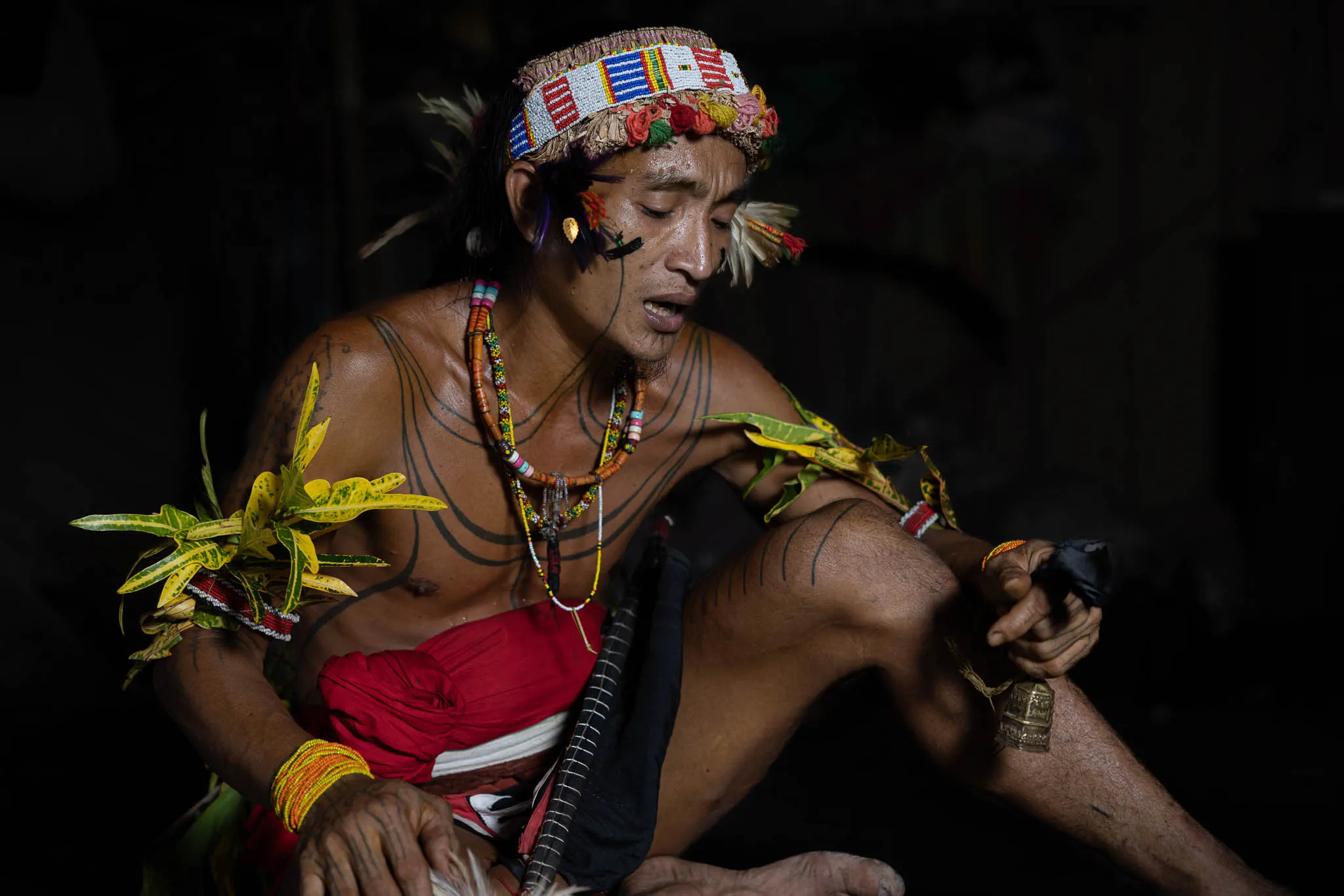
Today, his own children face a very different situation.
His eldest daughter, Sali, who is now about twenty, left school during her first year of senior high school, around 2024. Her older brother Tona also struggled at school and eventually left junior high school. Aman Sasali found himself increasingly unable to help his children decide what they wanted from life or how to pursue it.
At one point, he spoke directly to Mega and me.
“I cannot handle my children anymore. I give up. I need your help.”
We decided to see whether we could offer Sali an opportunity to explore a different future.
We invited her to stay with us in Bali, where we live on a plantation and run a small accommodation business. Our idea was that she could spend time with us, receive private English lessons, learn to cook, and gain experience preparing accommodation and working with the tourists who visited our little eco-resort.
We hoped these skills might eventually open up opportunities for her in one of the surf resorts on the Mentawai Islands. Such resorts employ local young people, and English, cooking and hospitality skills can be useful. It would be a way for her to find work outside the forest without necessarily having to move permanently to the mainland, far from her family.
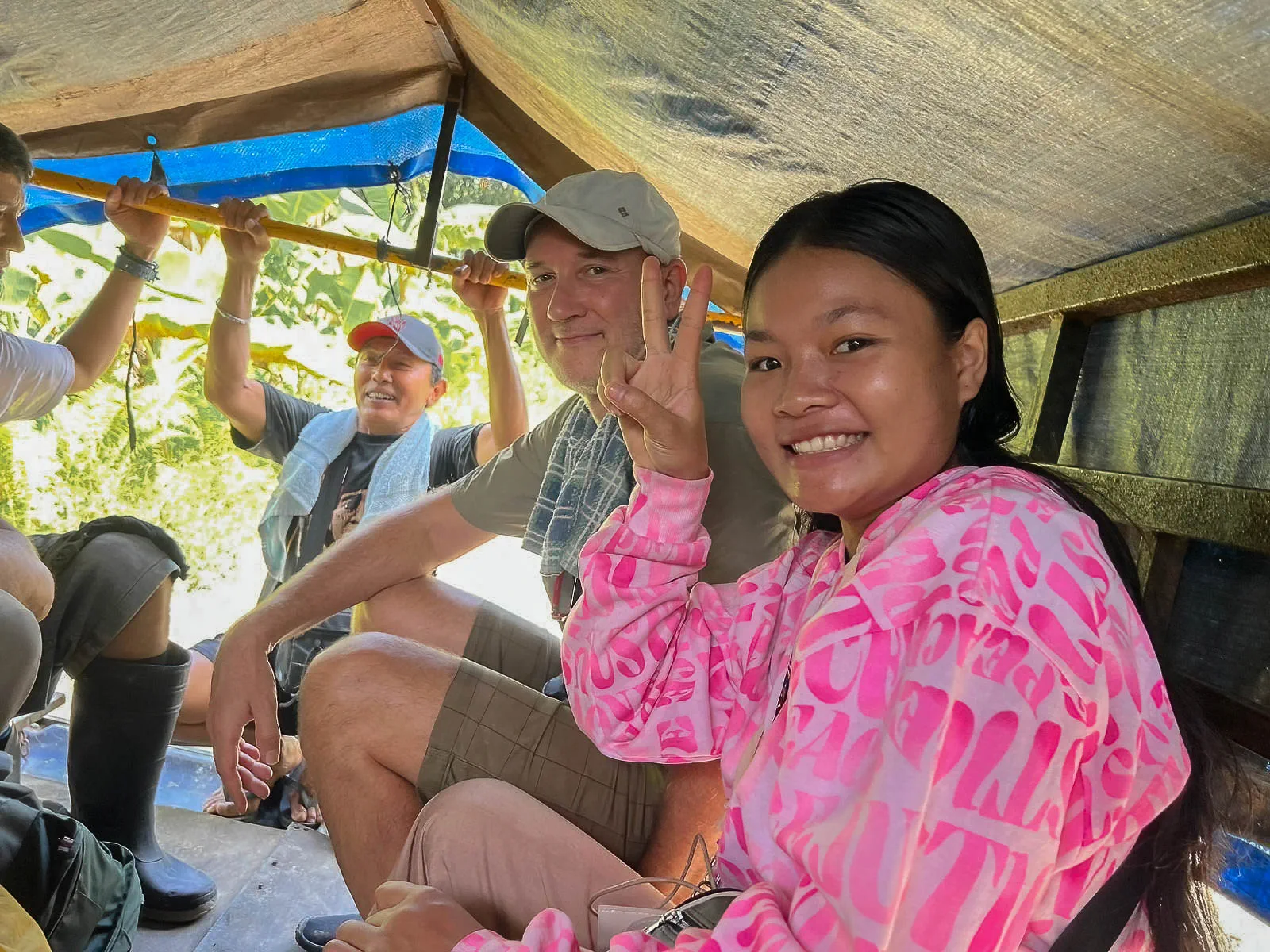
Sali stayed with us for about three months. Mega tried to teach her how to cook and prepare accommodation for guests, while she attended private English lessons three times a week. We wanted to give her practical skills that might help her build a future of her own.
But it proved difficult. She did not seem particularly motivated, and I sometimes wondered whether she fully understood the opportunity we were trying to offer her. At the same time, I had to consider how difficult it must have been for her to be away from Siberut for the first time in her life. She may have been homesick, surrounded by unfamiliar people and an unfamiliar way of life.
Eventually, she decided to return home when we were preparing to visit the family on Siberut. We did not insist that she stay. She went back to her family and spent another eight or nine months there.
When we visited again recently, we talked with Sali, her father and her mother. We asked her whether she was happy to be back with her family or whether she wanted to give the opportunity in Bali another try.
This time, she decided to return with us.
As I write this, Sali is here with us in Bali again. We hope that, having had time to reflect on her experience, she will feel more ready to make use of the opportunities available to her and explore what kind of future she wants to build.
I do not know how this story will end. I cannot decide for Sali what kind of life she should want, and I cannot make her commit to a future she has not yet chosen for herself. All we can do is offer support, guidance and opportunities, and hope she finds a direction that feels right for her.
What strikes me most is the contrast with her father. When Aman Sasali was a little boy, he tried school and chose to return to the traditional life he knew. That choice led him along a path in which he eventually became a respected shaman. His daughter is now trying to find her own path, but the world around her offers different possibilities and demands different skills.
Neither story has a simple lesson. Yet together they illustrate how profoundly the choices available to children have changed within a single family and across just one generation.
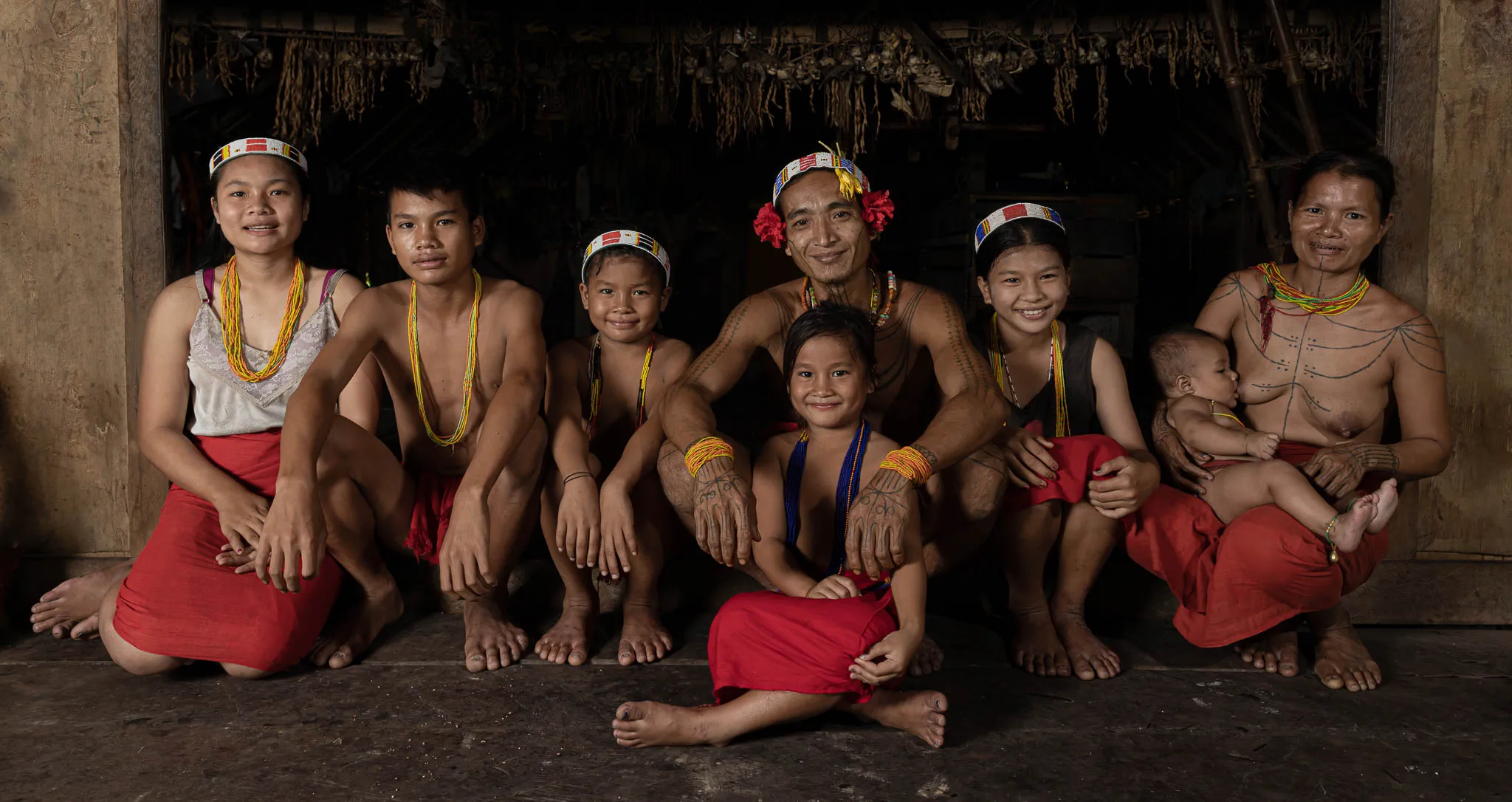
When parents and children no longer understand one another
There is another consequence of these changes, perhaps less visible but just as important.
In Mentawai society, people are fundamentally egalitarian. There are no formal leaders who dictate how others should live or speak on behalf of an entire family or clan. Shamans have particular responsibilities when performing rituals, healing people or dealing with the spiritual world, but this does not give them authority over the community in everyday life.
This also affects the relationship between parents and children.
When I ask parents what they think about their children choosing a different future, the answer is remarkably consistent. If a son does not want to become a shaman, that is his decision. If he wants to become a teacher, a police officer, a soldier or something else, that is fine too. They will accept whatever he chooses. They do not consider it their place to dictate his future or insist that he follow in their footsteps.
I have had these conversations with the parents of several children, including Aman Sasali, whose son Tona left junior high school before completing it. The answer is essentially always the same: it is up to the child.
There is something admirable about this respect for individual freedom. Parents do not claim ownership over their children’s lives, and children are free to make their own decisions.
But I also see a difficult consequence.
The adults can see that their children are becoming less interested in life in the forest, in the uma and in the traditions they grew up with. Yet they do not feel that they should intervene. They accept their children’s decisions, even when those decisions may mean that important knowledge is no longer passed on.
This is not necessarily because the parents do not care. Rather, the idea that they should direct their children’s futures is unfamiliar to them. They grew up participating in the community, learning from their relatives and gradually assuming their own responsibilities. They did not grow up with the same idea of individual ambitions and alternative futures that their children are now developing.
The children, meanwhile, may feel that their parents do not understand what they want from life. The parents struggle to guide them towards a future they themselves have never experienced, while the children find it difficult to explain their ambitions to adults whose understanding of life is fundamentally different.
As a result, important conversations often do not happen.
Parents talk to Mega and me about the difficulties they experience with their children. The children, in turn, tell us that their parents do not understand them. We find ourselves in the middle, listening to both sides and trying to help them understand one another.
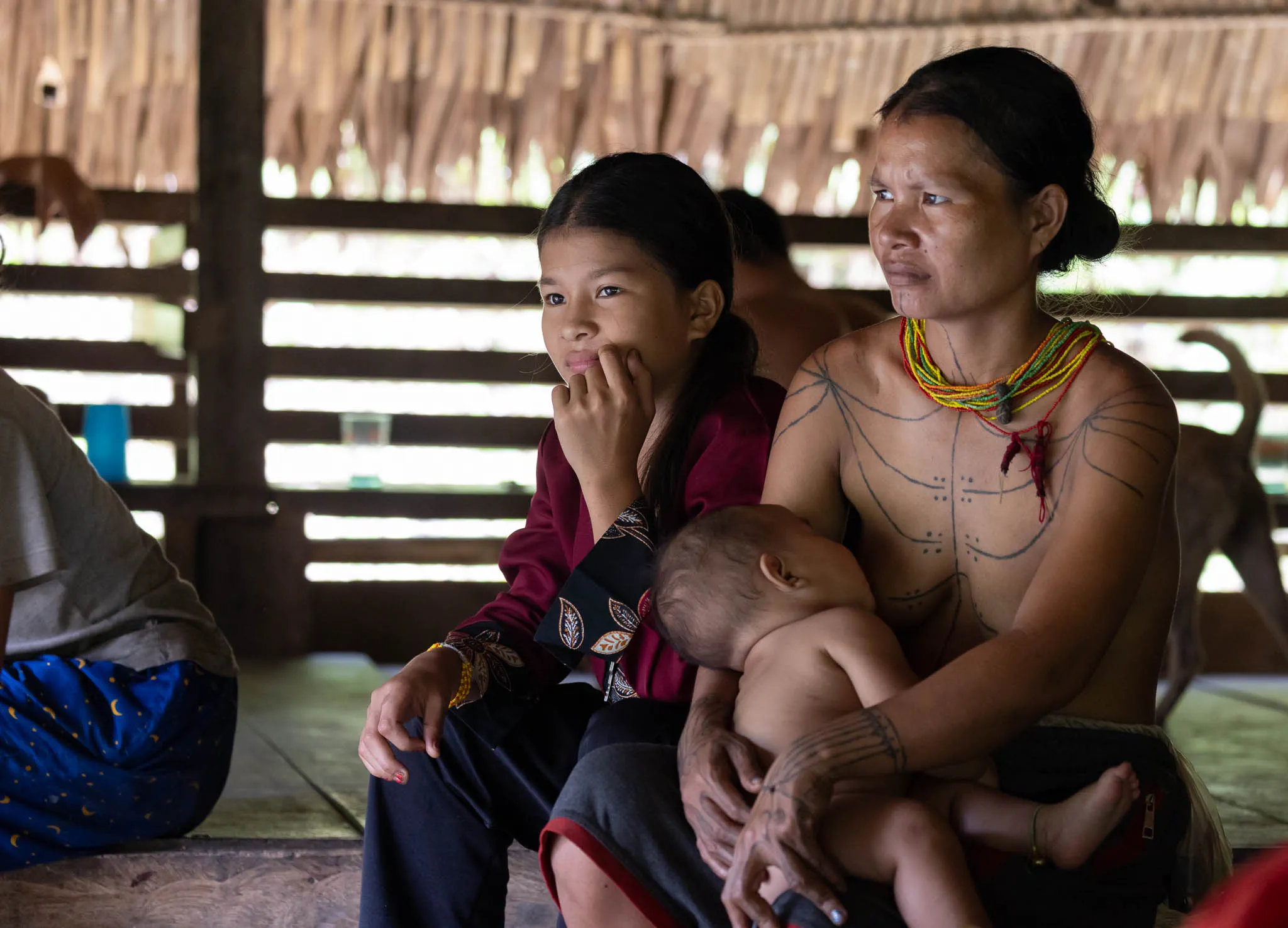
We have sometimes taken the initiative to bring the generations together. We arrange discussions in the uma, with adults and children sitting in a circle and everyone having an opportunity to speak.
The first few times certainly felt awkward for everybody. I’ve never seen children so shy in front of their parents, and vice versa. The children are often more confident with mobile phones than their parents, many of whom cannot read or write.
Eventually, people begin to explain what they think about the future, what they expect from one another, and how they feel about the traditional way of life.
These conversations are fascinating. They allow people to hear perspectives they might otherwise never hear directly from one another. I believe they help, although changing established patterns of communication is a slow process. A single discussion does not suddenly transform the relationship between parents and children, and the difficulties often remain when everyday life resumes.
I have seen some encouraging signs among younger parents and their children, but much less change among older adults and their older children.
For me, these conversations have made one thing clear: the challenge is not simply that children are losing interest in traditional knowledge. The generations are growing up with different expectations of life, and they have not yet found the need or an easy way to talk about what that means for their future together.
The freedom to choose — and its consequences
The egalitarian nature of Mentawai society makes this situation particularly difficult to address.
There is no recognised authority who can decide that the community should take action to preserve a particular tradition, or who can insist that younger generations continue to learn from their elders. Decisions are made by individuals and families, each free to determine their own future.
This means that every child who chooses a different path is exercising a freedom that the community respects. But when many children make similar choices, the cumulative effect can be much larger than any individual decision.
A boy decides that he does not want to become a shaman. Another wants to leave the forest and find work elsewhere. A girl imagines a career that takes her away from the community. Each decision makes sense from the perspective of the individual concerned. Yet together, these choices may gradually weaken the relationships and everyday experiences through which traditional knowledge has been passed from one generation to the next.
Who takes responsibility for the broader consequences?
The parents accept their children’s choices. The children pursue the possibilities they have discovered. There is no leader who can intervene, and no established mechanism through which the community collectively negotiates the direction of this change.
I do not believe the answer is simply to tell children what they must do. Nor do I think Mentawai culture should remain unchanged. Change is inevitable, and younger generations have every right to make their own choices.
But I do wonder whether there is a way for the generations to discuss these changes more openly, to understand one another better and to consider what they want to preserve together. I also wonder whether they can find a way to manage the pace of change.
I often feel that the changes taking place are happening too quickly for the generations to keep up with one another. Within a single generation, the world in which parents grew up has become almost unrecognisable to their children. The parents struggle to understand the ambitions of their children, while the children have little experience of the world their parents know. The family bonds remain, but the shared experiences and understanding that once connected the generations are becoming weaker.
In a sense, two generations are being pulled apart by the speed of change, before either has really had time to understand what is happening or what it means for their future together.
The conversations Mega and I have organised in the uma are one small attempt to create that space. Whether they will make a lasting difference remains to be seen.
Growing old without the family
There is another consequence of these changes that I find particularly painful to witness. It concerns not the children who leave, but the parents they leave behind.
If children eventually want to leave the forest and build a life elsewhere, what happens to their parents when they grow old?
I have seen this many times in parts of Siberut where younger generations began attending school and leaving their traditional communities much earlier. Elderly shamans, older couples and widows live alone in the forest, far from their children and grandchildren. Some eventually move closer to one of their children, perhaps to Muara Siberut or a social village, but even then they may find themselves separated from much of their family. Their children have their own lives, and their grandchildren are growing up elsewhere.
It is difficult to see people who spent their lives surrounded by family reach old age in such circumstances. The uma, which once brought several generations together, can become a lonely place when the younger generations move away.
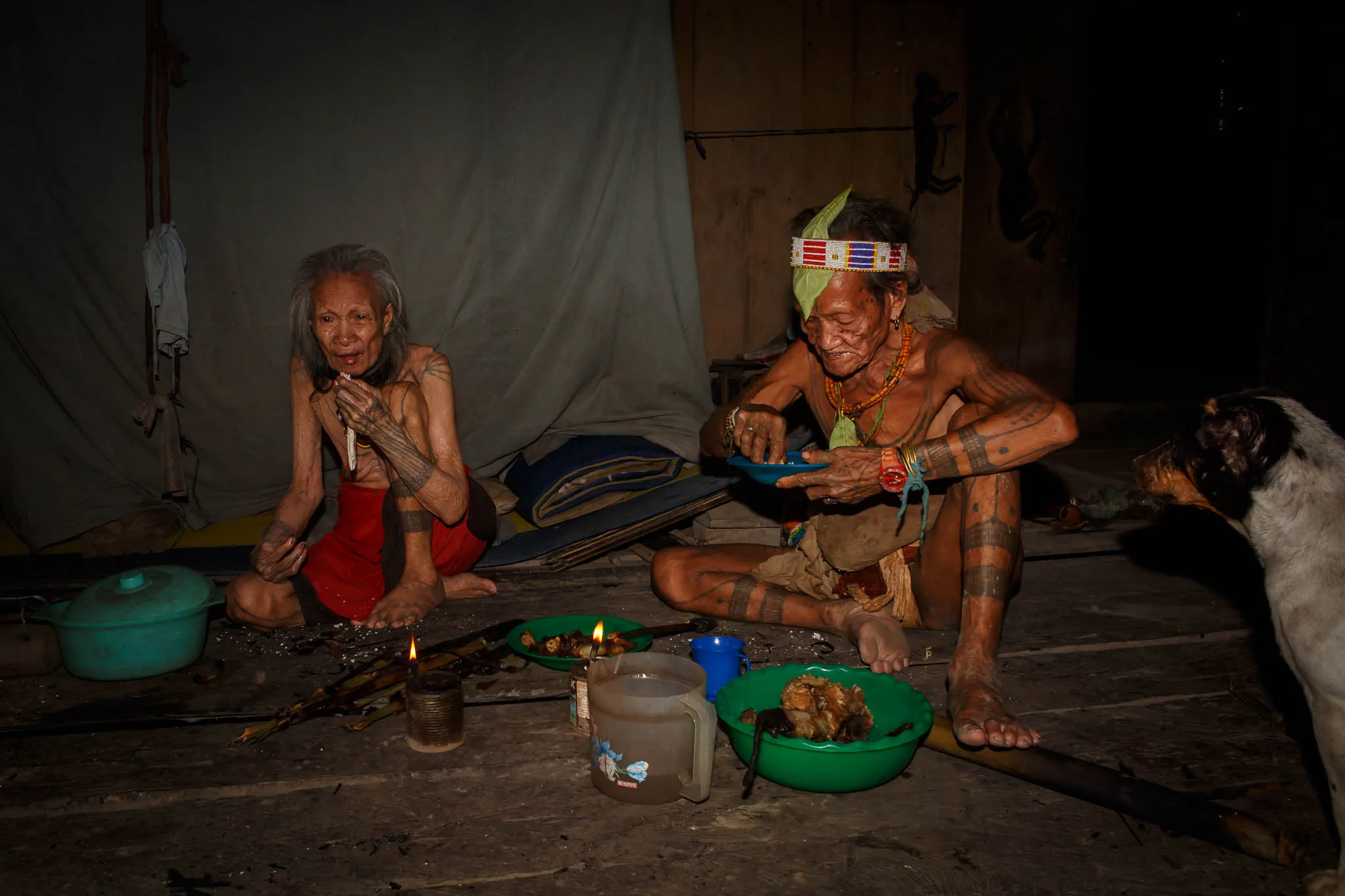
I have discussed this future with my own Mentawai brothers and sisters. What will happen when their children leave? Who will be around when they grow old? Who will share their everyday lives, and who will be there to help them?
These conversations touch them deeply. Of all the changes we discuss, the prospect of growing old without their children and grandchildren nearby seems to be one of the most difficult to contemplate.
And yet, even when they recognise what the future might hold, their response remains much the same: their children must be free to choose their own lives. They do not want to dictate those choices, even if they understand that the consequences may be painful.
I find this contradiction difficult to resolve. The parents can see what they might lose, but they do not feel entitled to prevent their children from pursuing a different future. Their respect for individual freedom remains, even when it conflicts with their own hopes for family life in old age.
The loss is not only a matter of practical support. It is also about the everyday presence of children and grandchildren, the conversations, the shared work and the sense of continuity that comes from several generations living together.
These relationships are part of what makes the uma more than a house. They are also part of the environment in which traditional knowledge has always been passed on.
A daughter far from home
One of the stories closest to my heart concerns Manja, the eldest daughter of my Mentawai brother Aman Manja.
I have known Manja since she was a little girl. I remember her accompanying her grandmother, Teteu, my Mentawai mother, into the forest to collect bamboo. Back then, she was growing up with her family in the traditional Mentawai way of life.
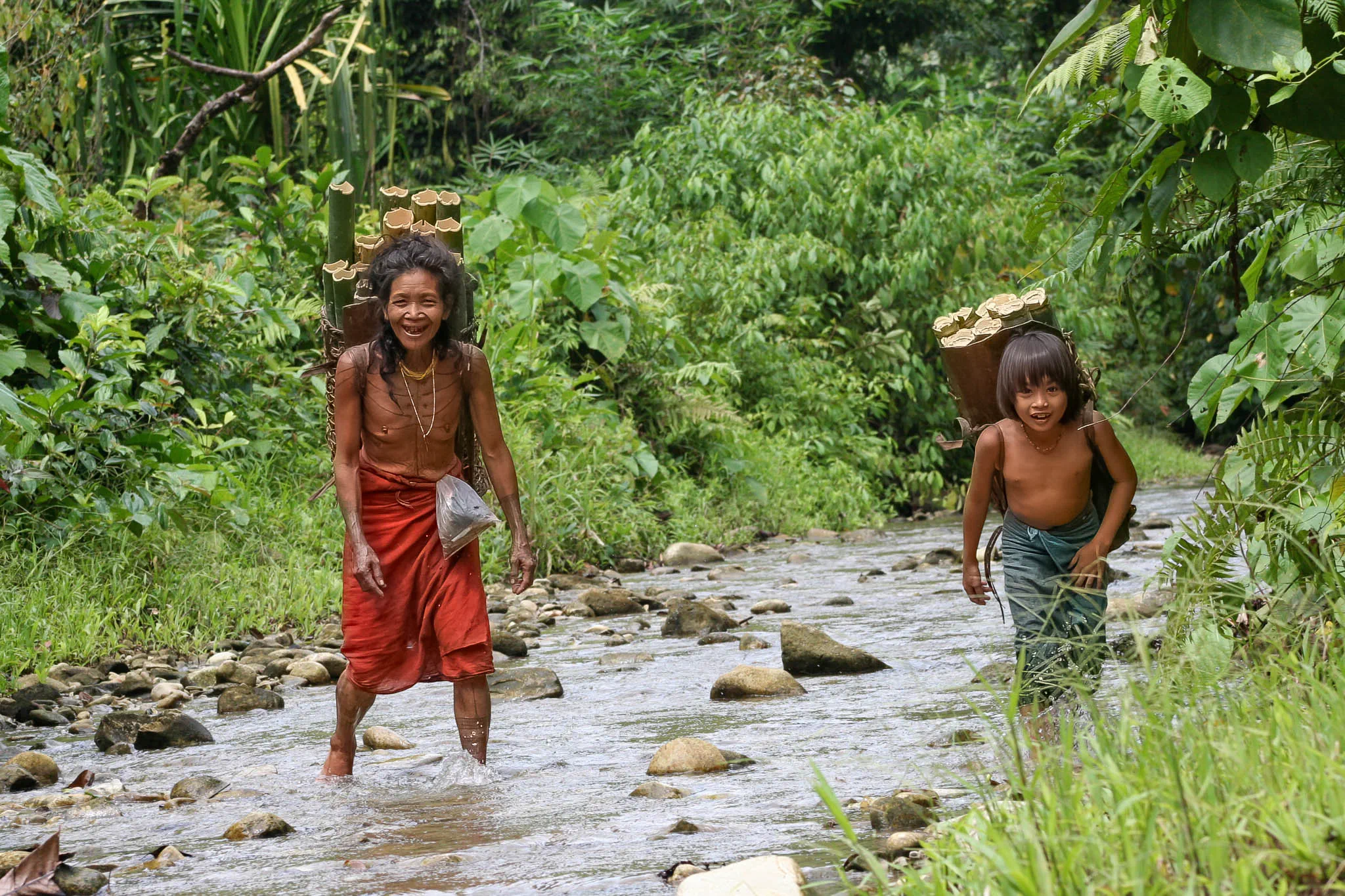
When she was around sixteen, Manja travelled to Padang with one of her aunts, who was involved in a small project there. While in Padang, Manja met a young Minangkabau man from West Sumatra. As I understand it, they fell in love. Manja stayed with him rather than returning to Siberut, and they eventually married. She converted to Islam and went to live with him in the mountains of West Sumatra.
She now has three children. But she has not returned to Siberut since she left, and her family has been unable to maintain the relationship they once had with her.
According to what I have been told, her husband does not want her to visit her family. He regards their traditional way of life, including keeping pigs, as incompatible with his religious beliefs. On several occasions, Aman Manja has travelled in the hope of seeing his daughter, with help from a friend of mine who is close to the family. Those attempts have not succeeded.
As a result, Aman Manja has been unable to see his daughter or spend time with his three grandchildren. It is not a topic that comes up often in conversations, but I know he is still suffering and still hopes to spend time with them. Teteu, their grandmother, has also never had the opportunity to meet them.
For me, this is difficult to think about. I remember Manja as a little girl in the forest with her grandmother. Now she is a mother herself, living far away, and her children have grown up without the relationship with their Mentawai family that they might otherwise have had.
I still hope that one day we can bring Manja and her children back to Siberut, so that she can see her family again, Aman Manja can spend time with his grandchildren, and Teteu can finally meet her great-grandchildren.
I cannot say what the future holds for Manja or her children. Her circumstances are different from those of young people who leave school or seek employment elsewhere, and I do not want to suggest that every person who leaves traditional life follows the same path. But her story reminds me that the changes taking place are not simply about traditions being lost. They can also reshape family relationships in ways that last for years, affecting parents, children and grandchildren alike.
The path of a shaman
When I ask boys whether they are interested in becoming shamans, the answer is usually no.
When I ask why, one of the most common explanations is that becoming a shaman is too difficult. There are many things to learn, they tell me, and many taboos to observe.
They are not wrong. Shamans and their wives have numerous restrictions and obligations to follow throughout their lives. During certain ceremonial periods, these can become particularly demanding, sometimes continuing for months. Even the construction of a new uma can involve extended periods of restrictions and prescribed behaviour.
For a young person, the prospect can be intimidating. Becoming a shaman may seem like a life filled with rules about what one can and cannot do.
I sometimes point out that the alternative they imagine is not necessarily a life without restrictions. If they want to become teachers, nurses or police officers, or to live and work in a town on the mainland, they will also have to follow rules, accept obligations and make sacrifices. The restrictions may be different, but every path has its own demands.
The boys generally have little experience of life outside their community, so it is difficult for them to make that comparison. The rules associated with becoming a shaman are familiar and visible to them; the restrictions and commitments of an unfamiliar future are much harder to imagine.
But there is a deeper problem, one that goes beyond whether the boys find the prospect of becoming a shaman attractive. As I described earlier, traditional knowledge is acquired over many years, through everyday contact with elders and participation in community life. Today, many children spend those formative years away at school. By the time they are old enough to make a decision about their future, they may already have missed much of the experience that would have helped them understand what becoming a shaman involves.
The question is therefore not only whether the boys want to become shamans. It is whether they have had the opportunity to develop the knowledge and experience that would allow them to make that choice from an informed position.
When I think about this, I am reminded that traditional knowledge is not something that can simply be stored away until someone decides they want it. It depends on relationships, a lot of time, and practice. If those foundations are no longer part of everyday life, it becomes much harder to acquire the knowledge later.
A world without shamans?
To understand what is at stake, it is important to understand the place of the spiritual world in Mentawai life.
In the Mentawai understanding of the world, existence is not limited to what we can see and touch. There is a physical world in which people, animals, plants and other things exist, and a corresponding spiritual world in which they have their spiritual counterparts: souls, spirits or life essences. This understanding extends beyond human beings and animals to plants and even things that we might consider inanimate.
The two worlds are interconnected. What happens in one can affect the other, and maintaining the right relationship between them is an essential part of Mentawai spiritual life.
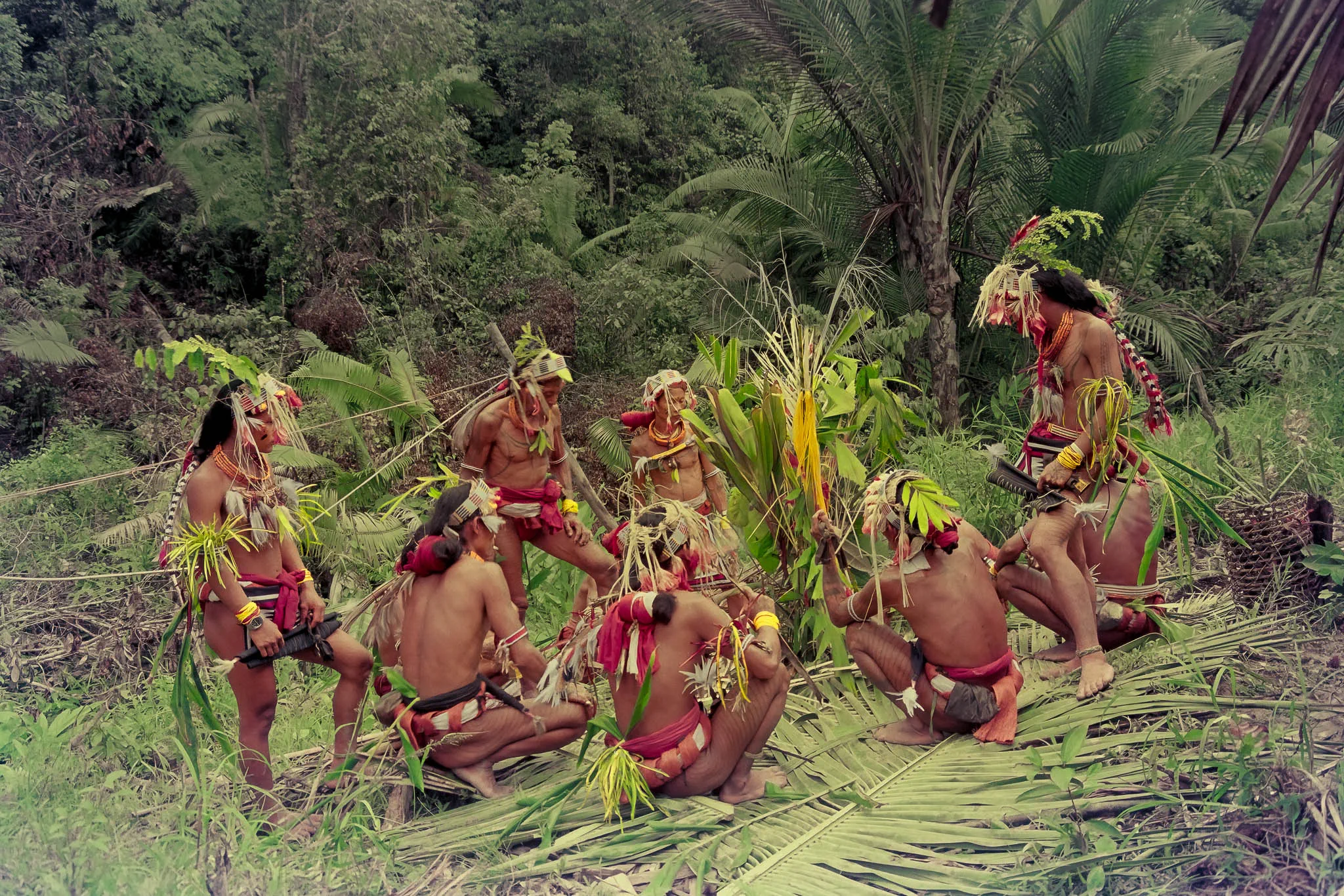
Shamans have a crucial role in this relationship. Through their knowledge and practices, they communicate with the spiritual world and help maintain harmony between the two. Healing, rituals and the use of particular plants are not simply isolated practices; they belong to a broader understanding of how the world works and how its balance can be maintained.
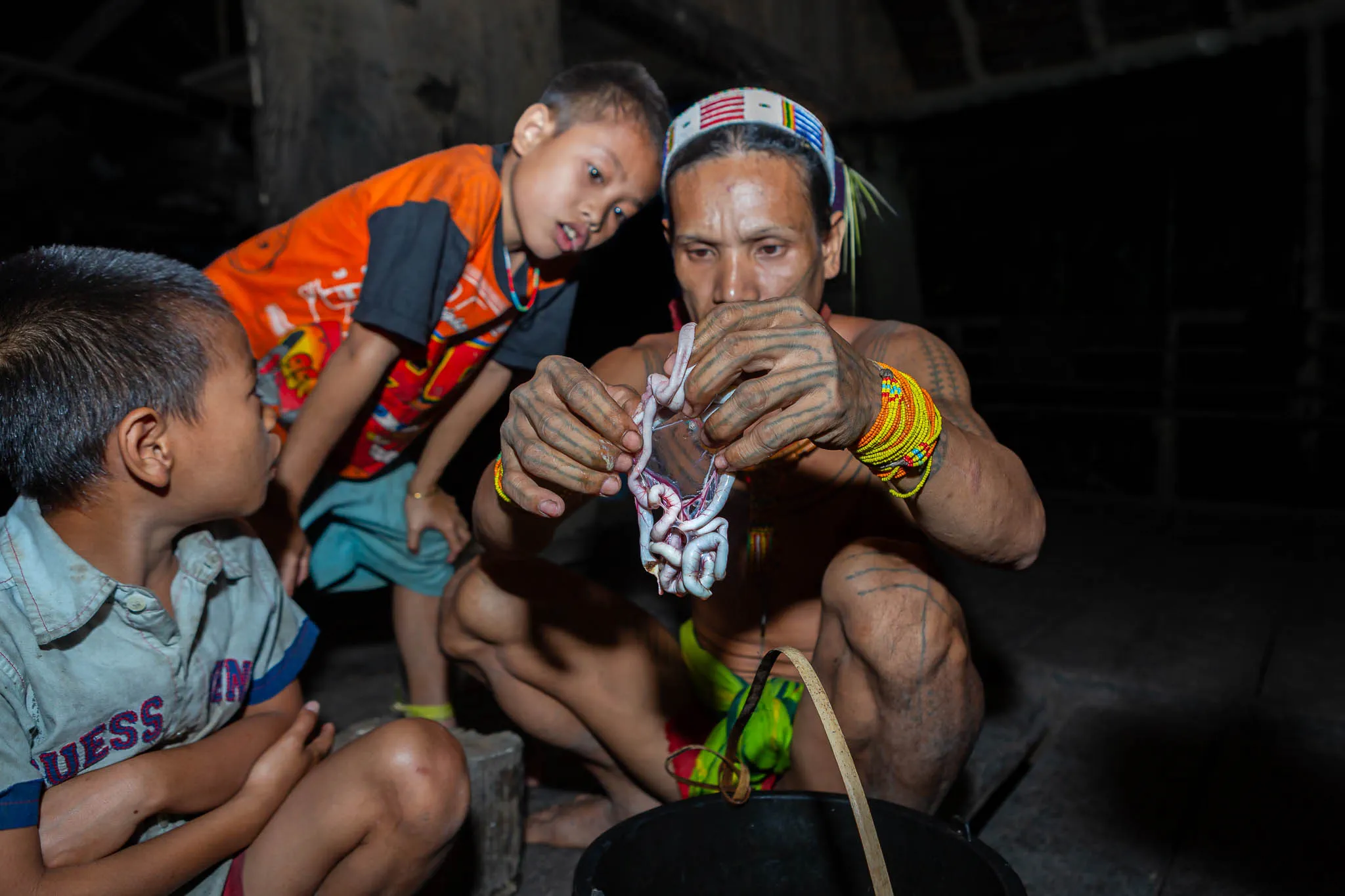
This is why I believe the future of the shamanic tradition matters so much. If there are no longer people who possess the knowledge and ability to communicate with the spiritual world, the consequences would extend far beyond the disappearance of a particular ritual or ceremony.
The ceremonies might still be remembered. People might continue to perform certain traditional practices. But if the knowledge required to communicate with the spiritual world is no longer there, what would those ceremonies mean? And how would the relationship between the physical and spiritual worlds be maintained?
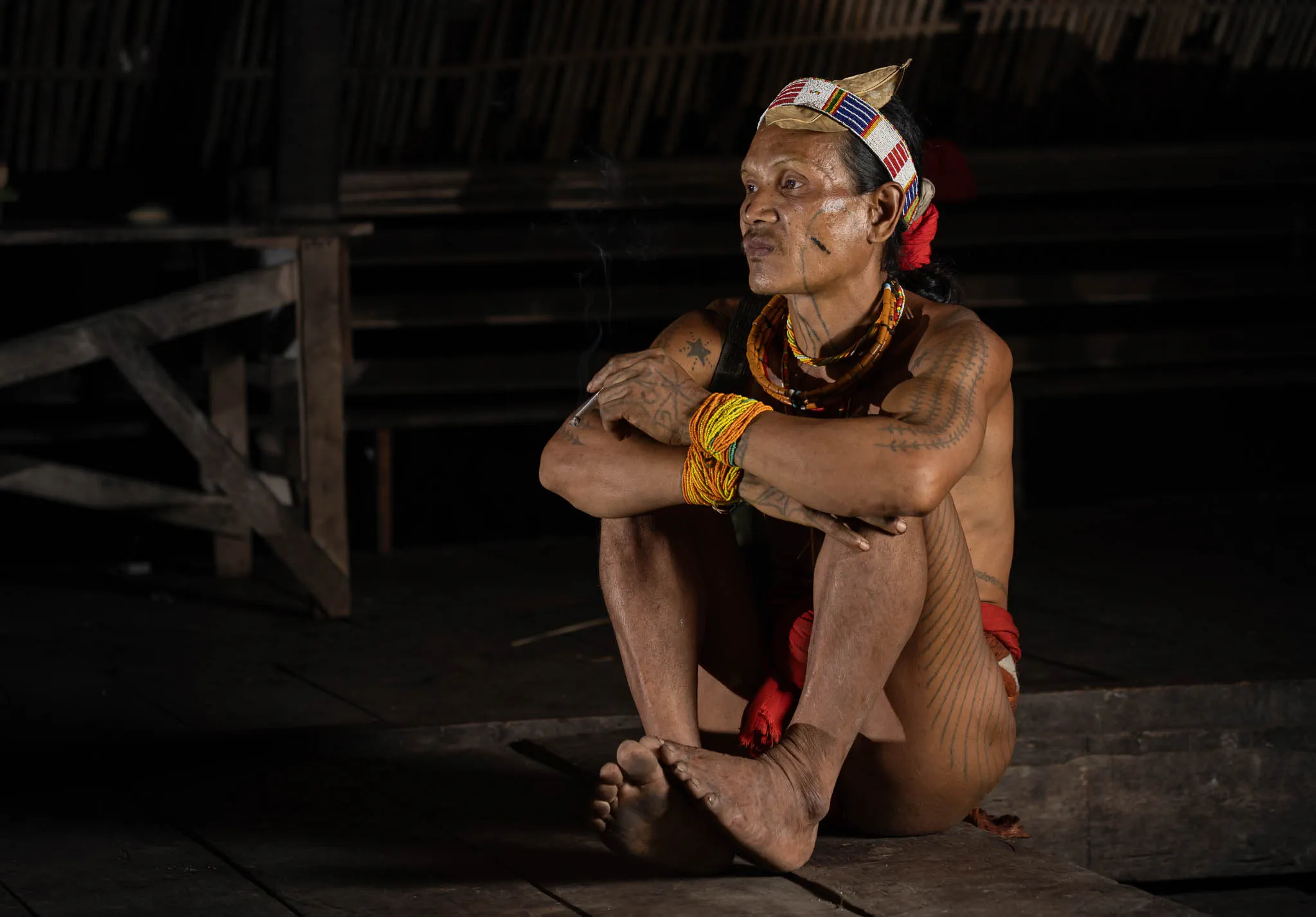
I once put this question directly to Aman Manja, the older of my two younger shaman brothers. What would happen to Mentawai culture and its cosmology if, one day, there were no more shamans?
His answer was a single word.
“Finish.”
I have never forgotten it.
In that one word, he expressed something that is difficult to convey in a much longer explanation. From his perspective, the disappearance of shamans would not simply mean that one aspect of Mentawai culture had been lost. It would mean that the people who maintain the relationship between the physical and spiritual worlds were no longer there to fulfil that role.
I think this is the core of the problem. Without new generations learning from experienced shamans, the tradition cannot simply be maintained by preserving its outward forms. The knowledge, experience and ability to communicate with the spiritual world must also continue.
And yet, when I ask young boys whether they want to become shamans, I have not met a single teenager who tells me that this is what he wants for his future.
I cannot know with certainty what will happen. Young people may change their minds, and traditions do not always develop in the ways we expect. But if the present situation continues, I find it difficult to imagine how the shamanic tradition, as I have come to know it, can survive in the long term.
For the Mentawai, this is not merely a question of preserving cultural heritage for future generations. It concerns the continuity of a spiritual world that gives meaning to their understanding of existence itself.
The question remains
My relationship with this family has given me a perspective that I could never have gained from occasional visits. I have shared years of family life with them, witnessed changes across generations, and seen the importance of the spiritual tradition in the lives of people I care about.
I also know that my perspective is only one perspective. The future of Mentawai culture belongs to the Mentawai themselves. It is for them to decide what they want to carry forward, what they want to change, and what place their traditions will have in the lives of their children.
What I can do is continue to listen, learn and document the world I have been fortunate enough to know. And, as a member of this family, I will continue to do what I can to help bridge the gaps between generations, while recognising that the choices ultimately belong to them.
I think about Sali, who is trying once again to find her own path. I think about Manja, far away from the family in which she grew up. I think about the older shamans, and the knowledge they carry, and about the children who may never have the opportunity to acquire that knowledge in the way their parents did.
And I think about Aman Manja’s answer.
“Finish.”
I do not know whether that is how the future will unfold. But I understand why he said it, and I cannot dismiss the possibility.
Who will carry the knowledge forward?
I do not know the answer. Perhaps that is precisely why the question matters.