Indigenous life, spirituality, and continuity in the rainforests of Indonesia
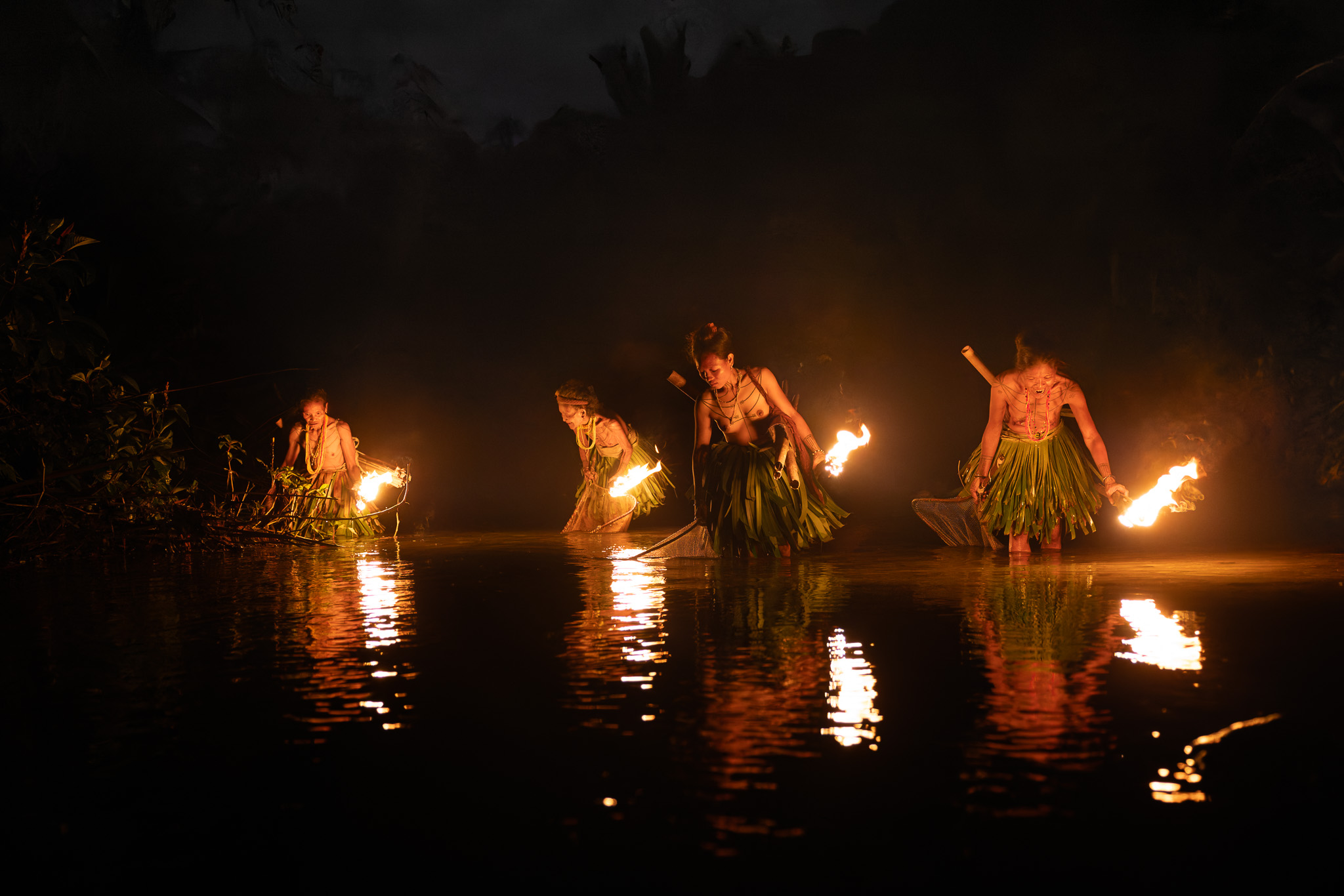
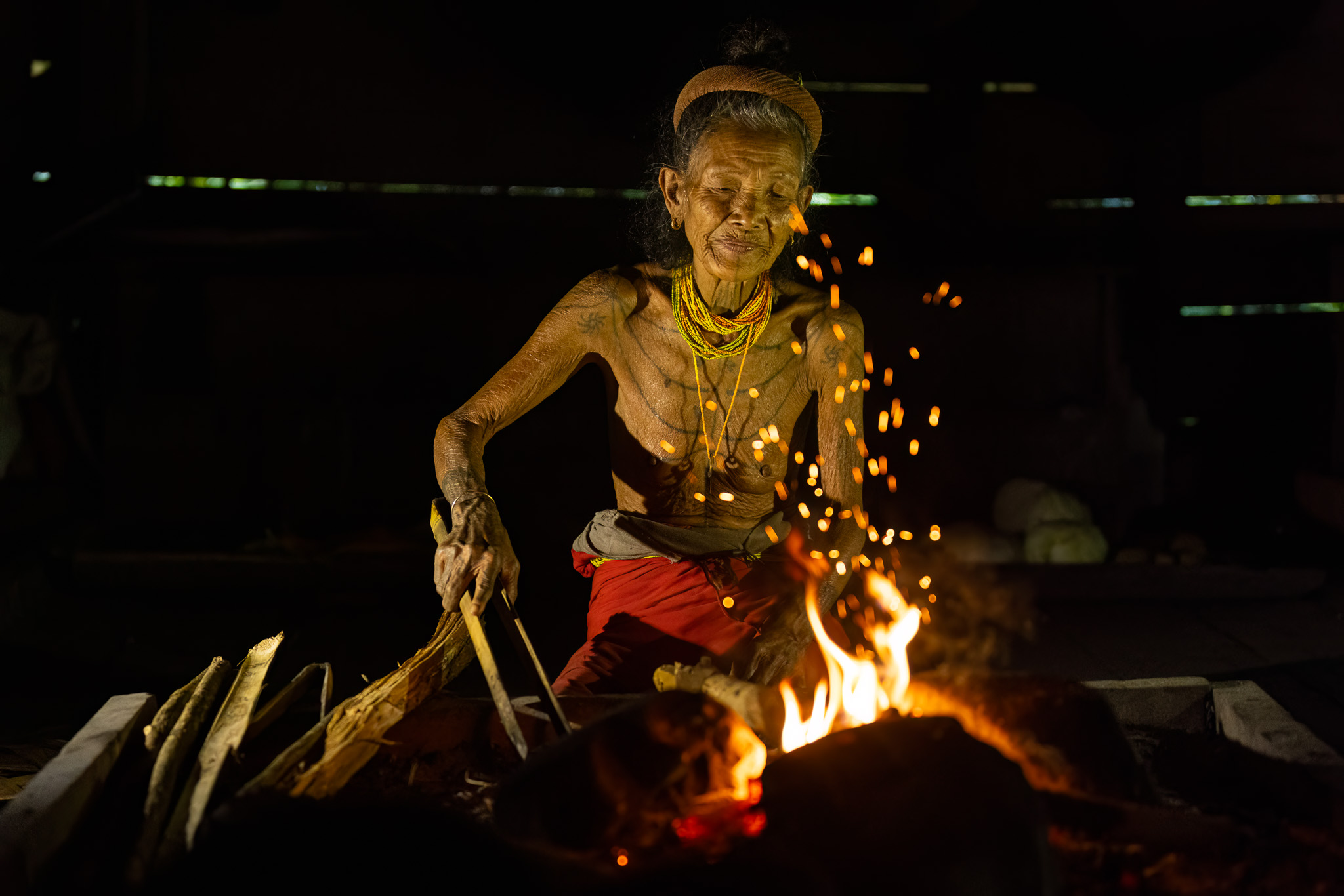
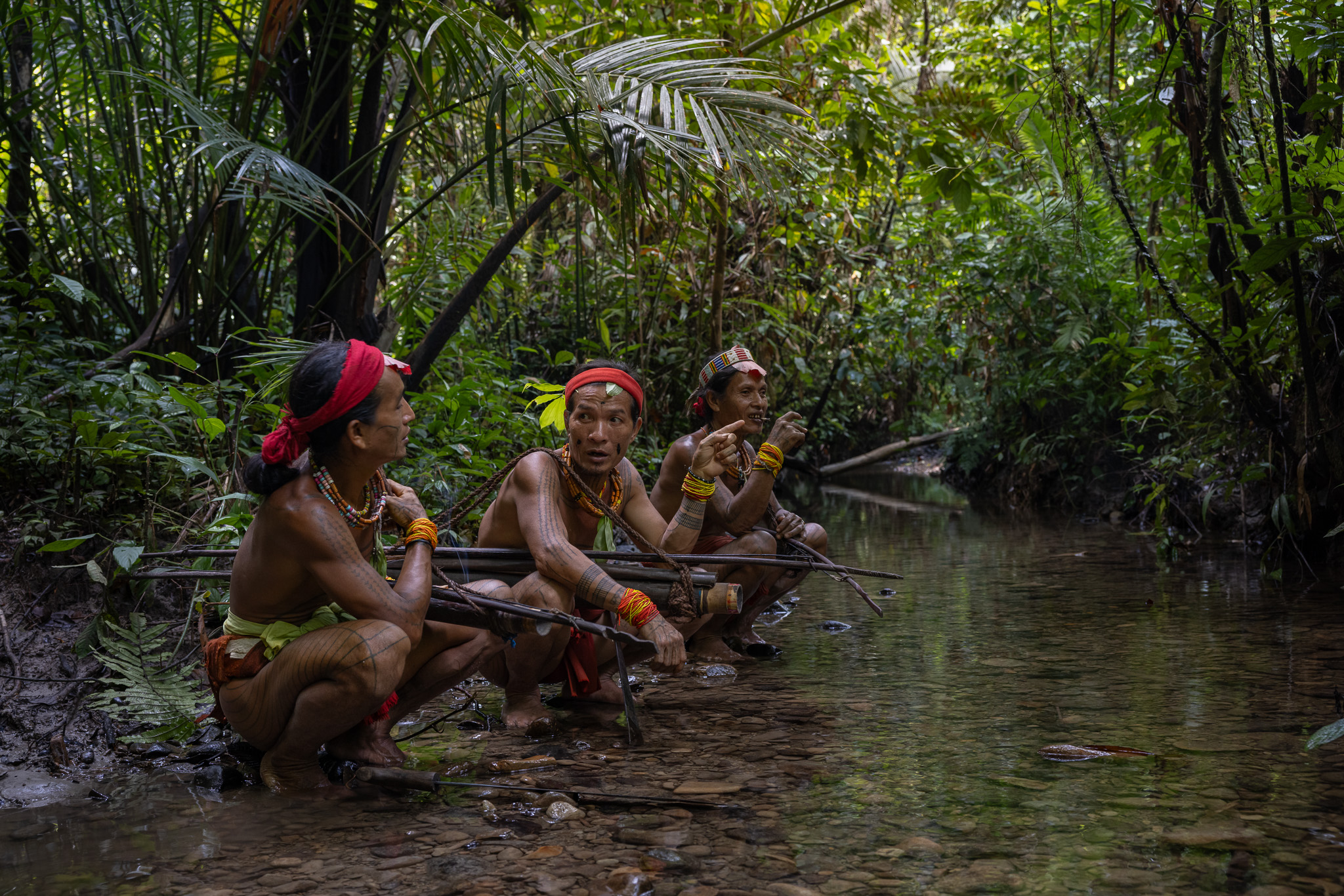
The Mentawai are among the most distinctive Indigenous cultures of Indonesia. Living primarily on Siberut Island, they have maintained a forest-based way of life shaped by spiritual balance, ritual responsibility, and deep ecological knowledge. Despite centuries of outside pressure, many aspects of Mentawai culture remain living, practiced, and meaningful today.
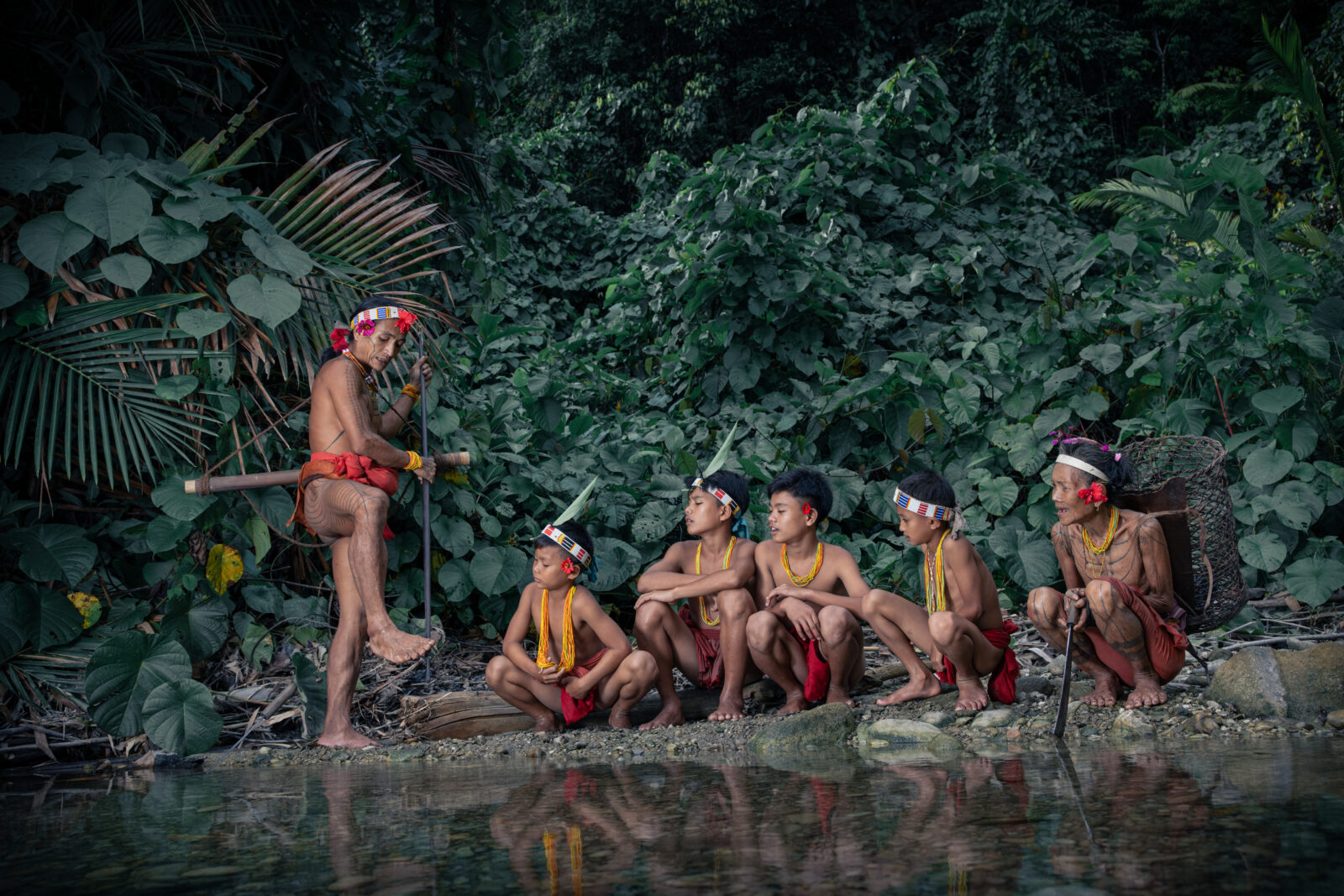
Mentawai shaman Aman Sasali teaching children how to use bow and arrows
This website offers a comprehensive documentation of Mentawai life — from daily subsistence and material culture to shamanism, ritual, history, and the challenges shaping their future.
The Mentawai People
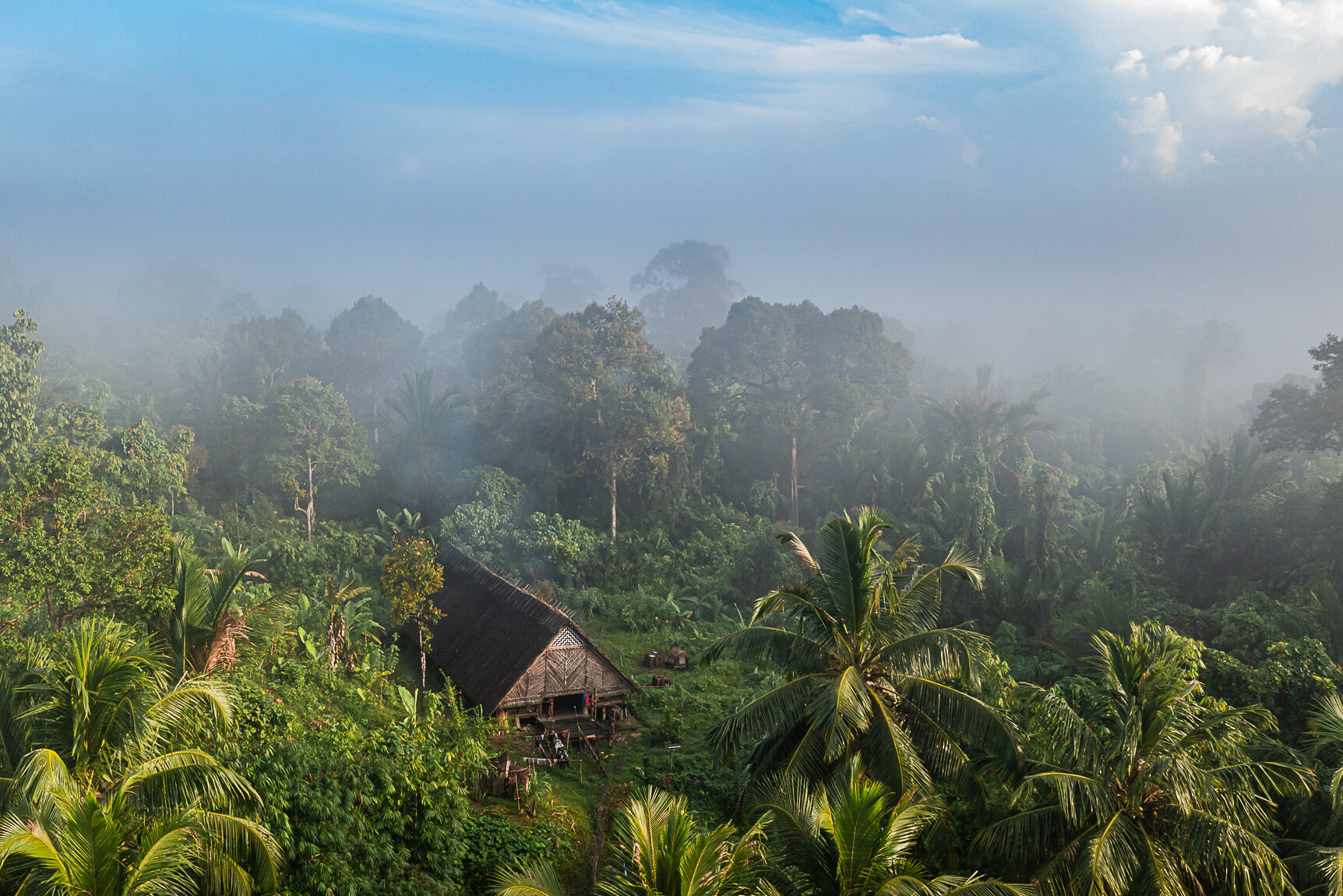
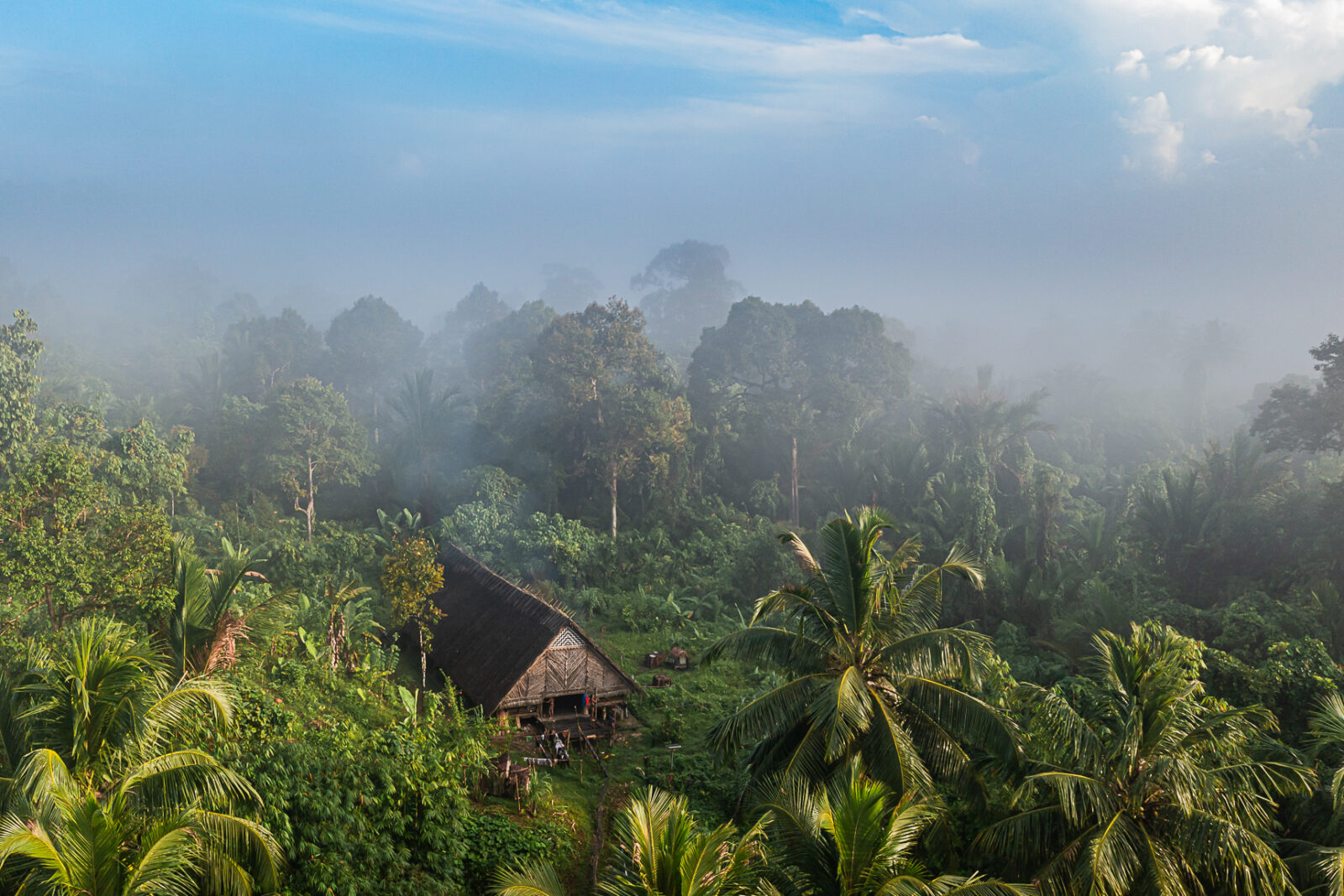
The Mentawai are the Indigenous inhabitants of the Mentawai Islands, a remote archipelago off the west coast of Sumatra. Their society is traditionally organized around small, clan-based communities living in the rainforest interior. Life centers on the uma — a communal house that functions simultaneously as dwelling, ritual space, and cosmological anchor.
Uma, the traditional Mentawai clan house
Mentawai identity is grounded in maintaining balance: between body and soul, humans and the forest, the living and the unseen. This worldview is not symbolic but actively practiced through ritual, taboos, healing, and everyday decisions. Tattoos, architecture, adornment, and ceremony all express a society in which harmony must be continuously sustained.
Land, Forest, And Rivers
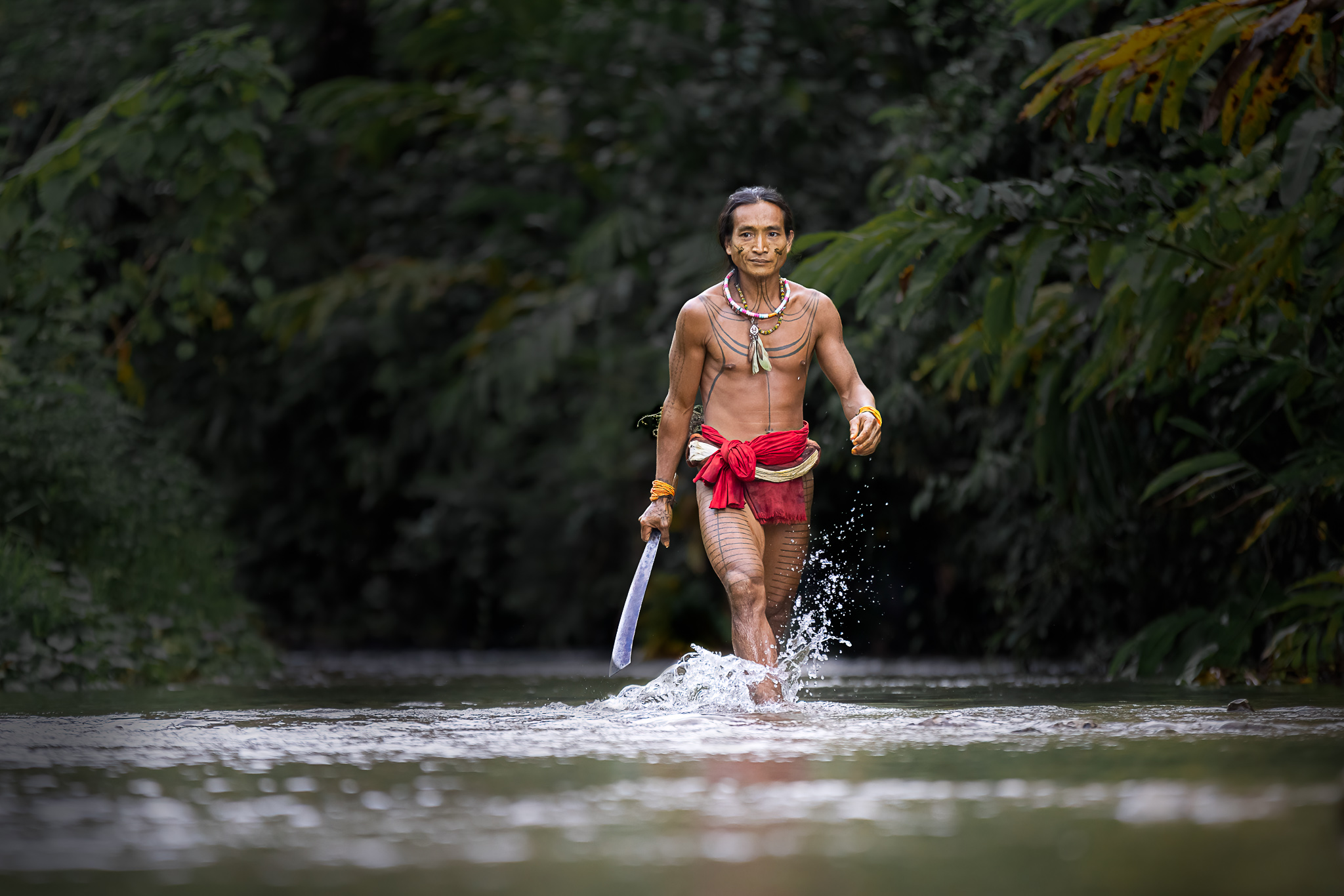
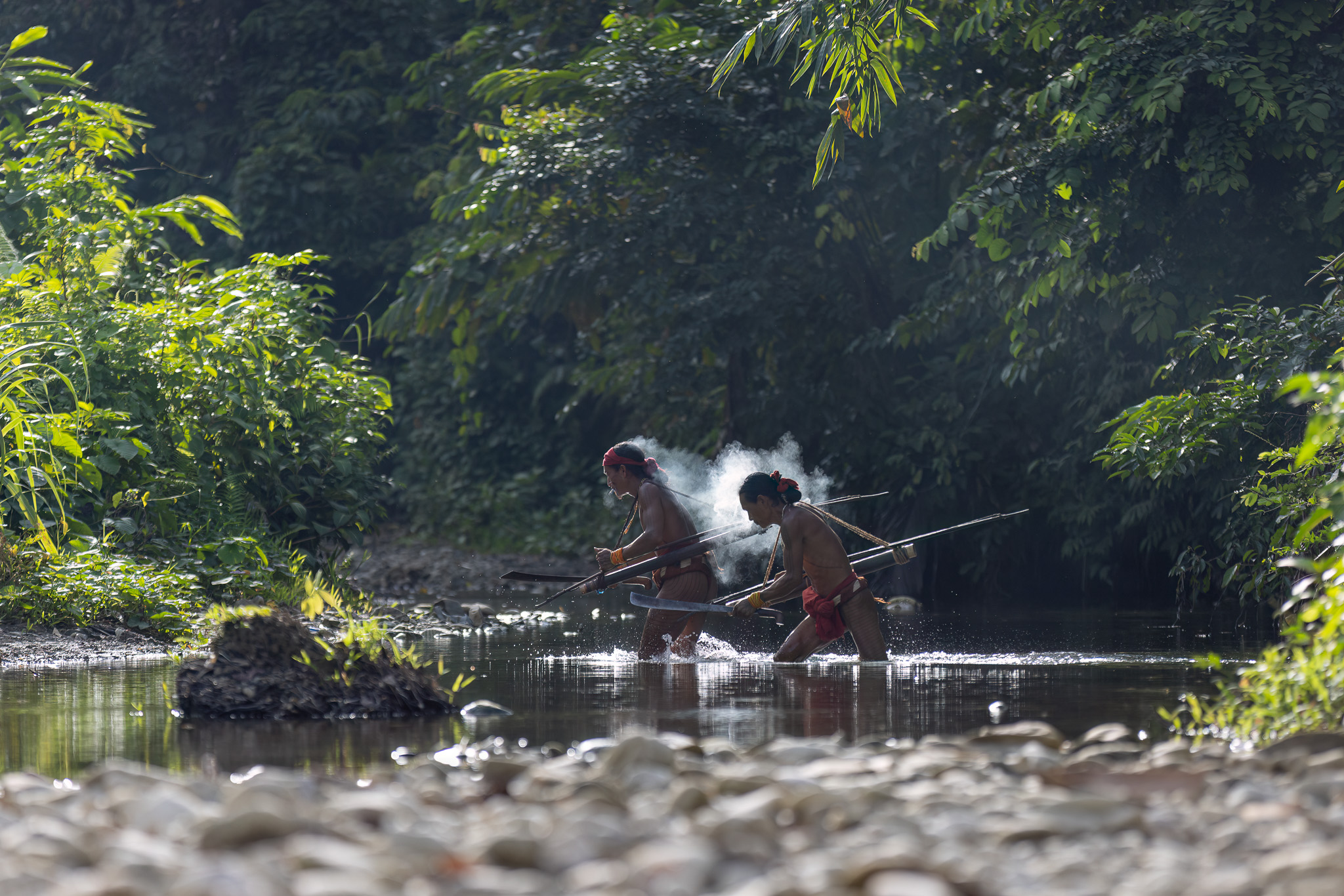
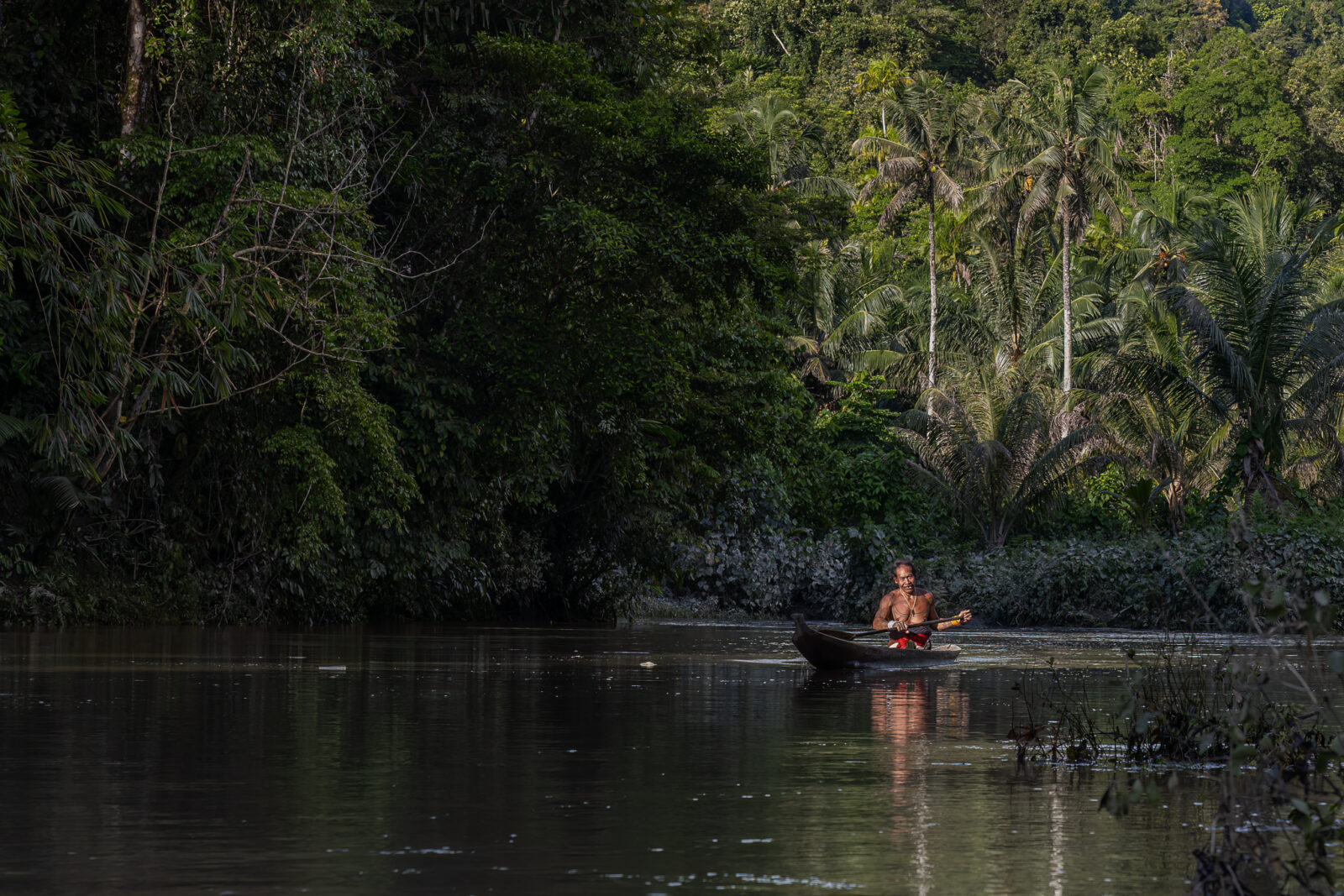
Siberut Island is the cultural heartland of the Mentawai. Dense rainforest, winding rivers, swamps, and gardens form a lived landscape rather than a wilderness. Rivers are the primary routes of travel, connecting uma, gardens, sago groves, and ritual life. Footpaths thread through the forest, memorized through daily use and shared across generations.
Shaman Aman Raiba in his canoe on the Gulubbek River
Land is held collectively within clan territories (leppet), encompassing gardens, hunting grounds, sago stands, and stretches of river. These landscapes are not only economic resources but also spiritual domains, inhabited by ancestors and unseen beings whose presence shapes how people move, work, and live.
A Living Spiritual World
Mentawai spirituality understands the world as animated by souls (simagere). Humans, animals, plants, and many objects possess spiritual essence, and well-being depends on maintaining balance between these forces. Illness, misfortune, and conflict are often understood as disruptions within this spiritual ecology.
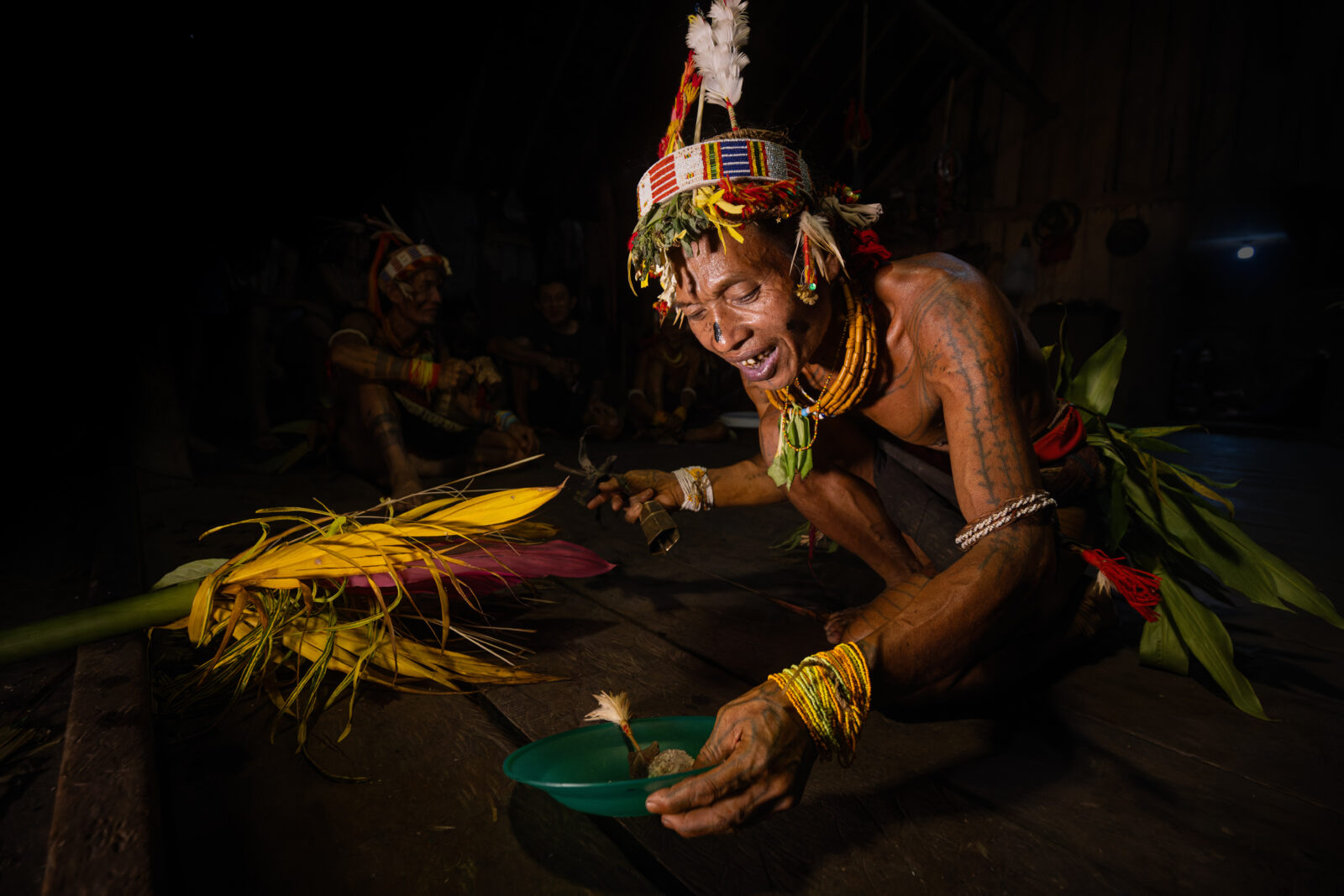
A Mentawai shaman engaging human souls during a ritual
Shamans, called kerei(or more popularly also known as sikerei), act as mediators between worlds. Through ritual, chant, dance, and sacrifice, they restore harmony, guide souls, and protect the community. Ritual life is woven into everyday existence — not as spectacle, but as responsibility.
Continuity and Change
Over the past century, the Mentawai have faced colonial rule, missionary influence, state resettlement programs, and increasing integration into national and global systems. Education, technology, and new forms of livelihood have altered daily life, particularly in villages and coastal areas.
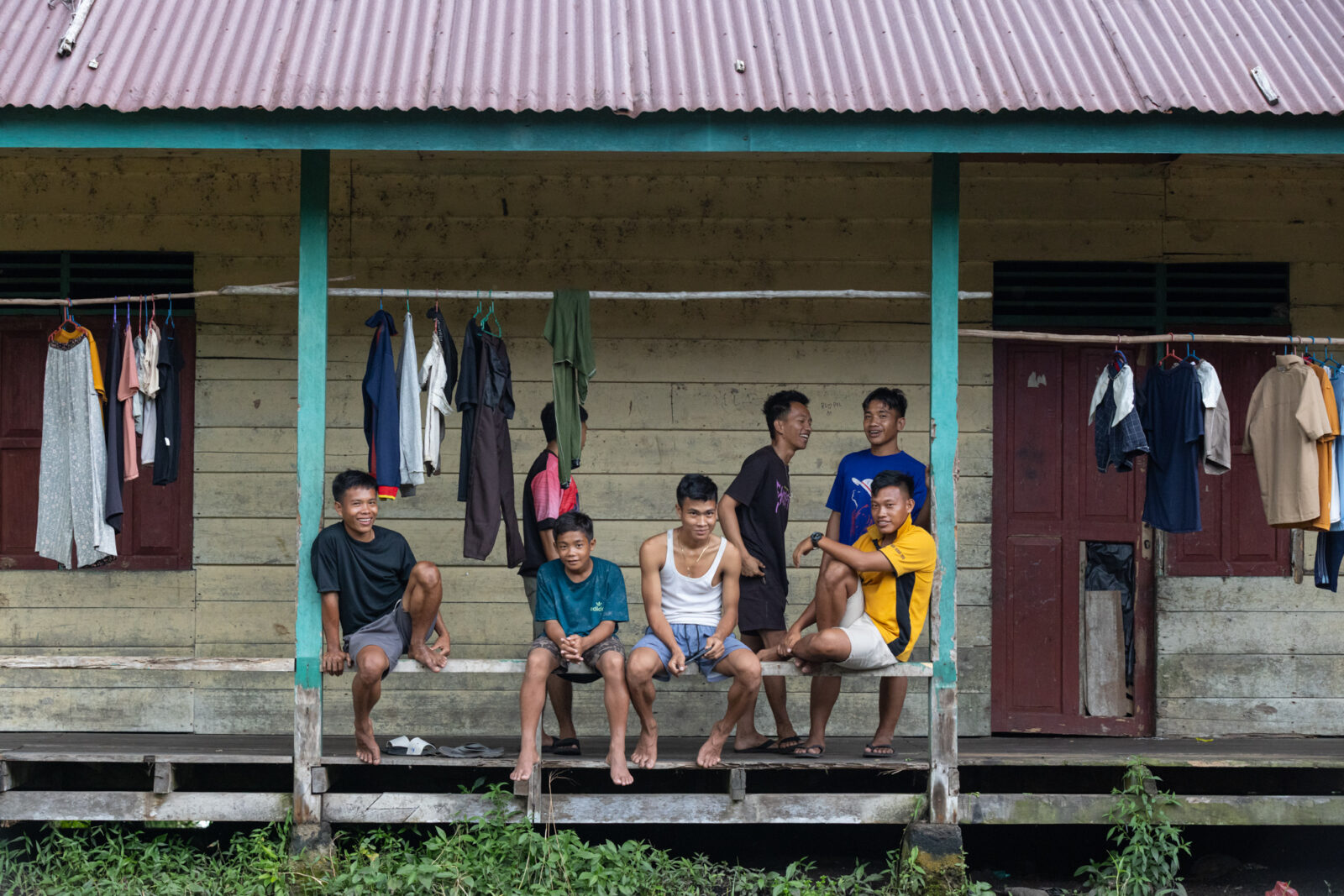
Mentawai teenagers at a social housing complex to attend a nearby school in Sikabaluan
Yet change is not experienced as a single rupture. Many Mentawai move between forest and village life, between tradition and modernity. For most, the question is not whether change will occur, but how it can be managed — and which elements must remain intact for Mentawai society to continue as more than a cultural form.
About This Website
This website is the result of decades of close engagement with Mentawai communities on Siberut Island. It brings together long-term observation, lived relationships, and extensive visual documentation to present Mentawai culture as it is practiced today.
Rather than offering a simplified overview, the site is structured as a deep, layered record — allowing readers to explore daily life, material culture, spirituality, ritual, history, and contemporary challenges in detail.