www.thementawai.com

Mentawai Culture Today: Change, Continuity, and the Future

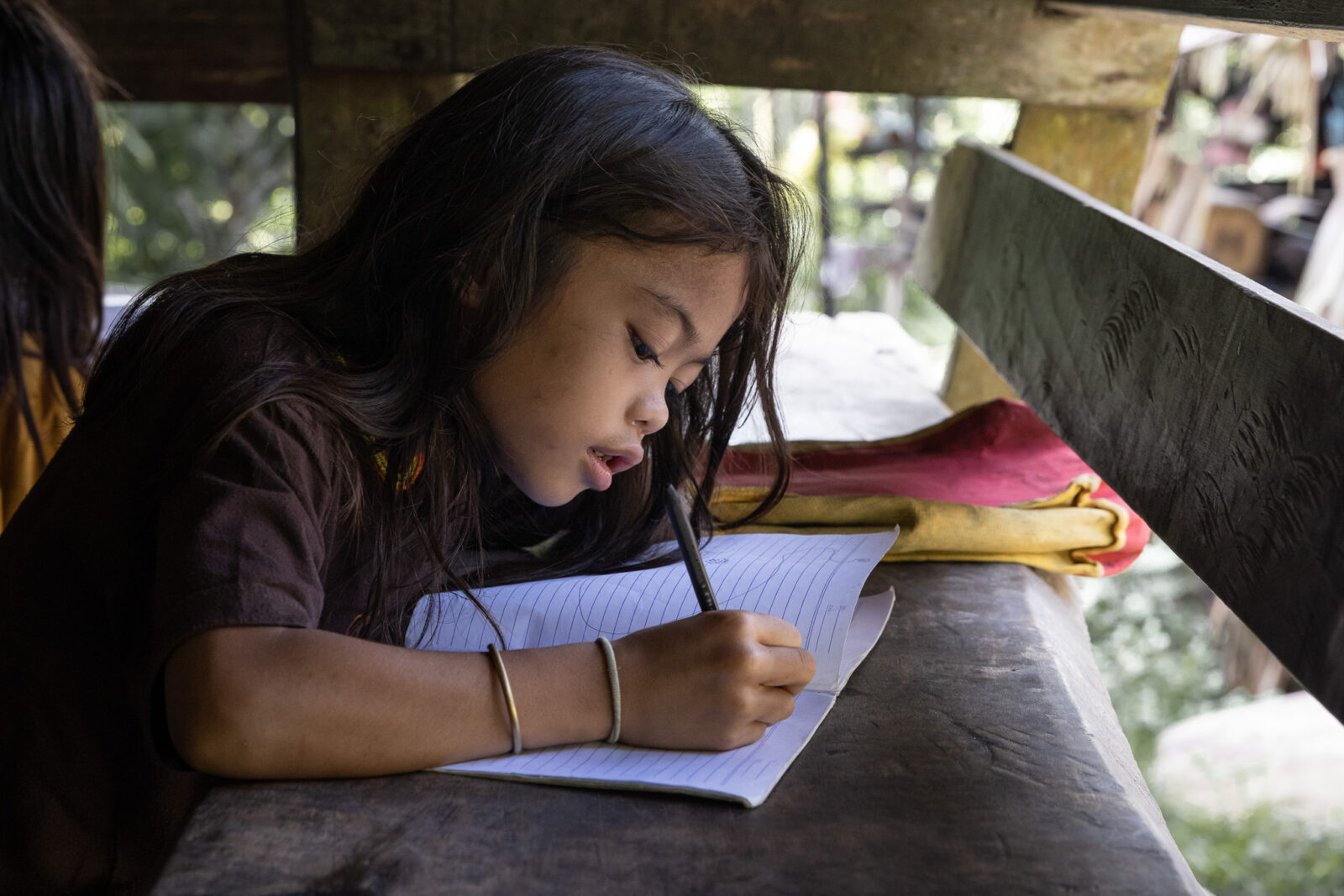
Mentawai girl on Siberut doing homework for school
A girl from the Sakuddei clan doing homework for school

A Century of Disruption, Resistance, and Renewal​

The arrival of outside powers in the Mentawai Islands brought changes far more disruptive than anything the communities had experienced through centuries of relative isolation. For most of their history, the Mentawai had lived with little interference from the outside world. Their social systems, spiritual practices, and forest-based subsistence evolved slowly, shaped almost entirely by their own needs and ecological relationships. That balance began to shift in the late nineteenth century.

Colonial Times

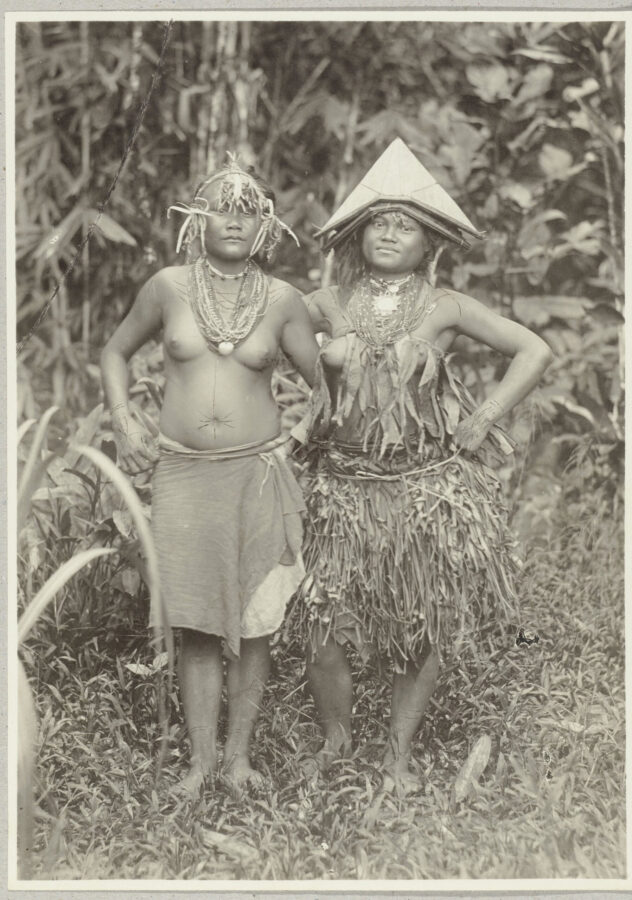
Old photo of Mentawai women during Dutch colonial time
Photo of Mentawai women during the Dutch colonial time – Nationaal Museum van Wereldculturen, The Netherlands

The Mentawai Islands were formally incorporated into the Dutch East Indies in 1864. Early interactions were marked by resistance, especially against Dutch efforts at “pacification” and social control. Colonial administrators soon realized that attempts to reshape Mentawai life were difficult to enforce in an archipelago of remote forests and river valleys. By the early twentieth century, the Dutch adopted a more hands-off approach. They documented the Mentawai with a mixture of fascination and condescension, writing about “flower-adorned natives” and describing Siberut as “the island of happiness”, revealing more about colonial imagination than about the Mentawai themselves.

Not long after came the first Protestant missionaries. Their approach differed sharply from the Dutch. Seeing Mentawai spirituality as superstition and their way of life as “lazy” or “underdeveloped”, they attempted to replace local belief with Christianity. Their writings describe the Mentawai as trapped in “the terror of evil”, reflecting deep cultural misunderstanding. The first missionary was killed, and for decades missionary influence remained limited. Even by the start of the Second World War, only a small minority of Mentawai had converted.
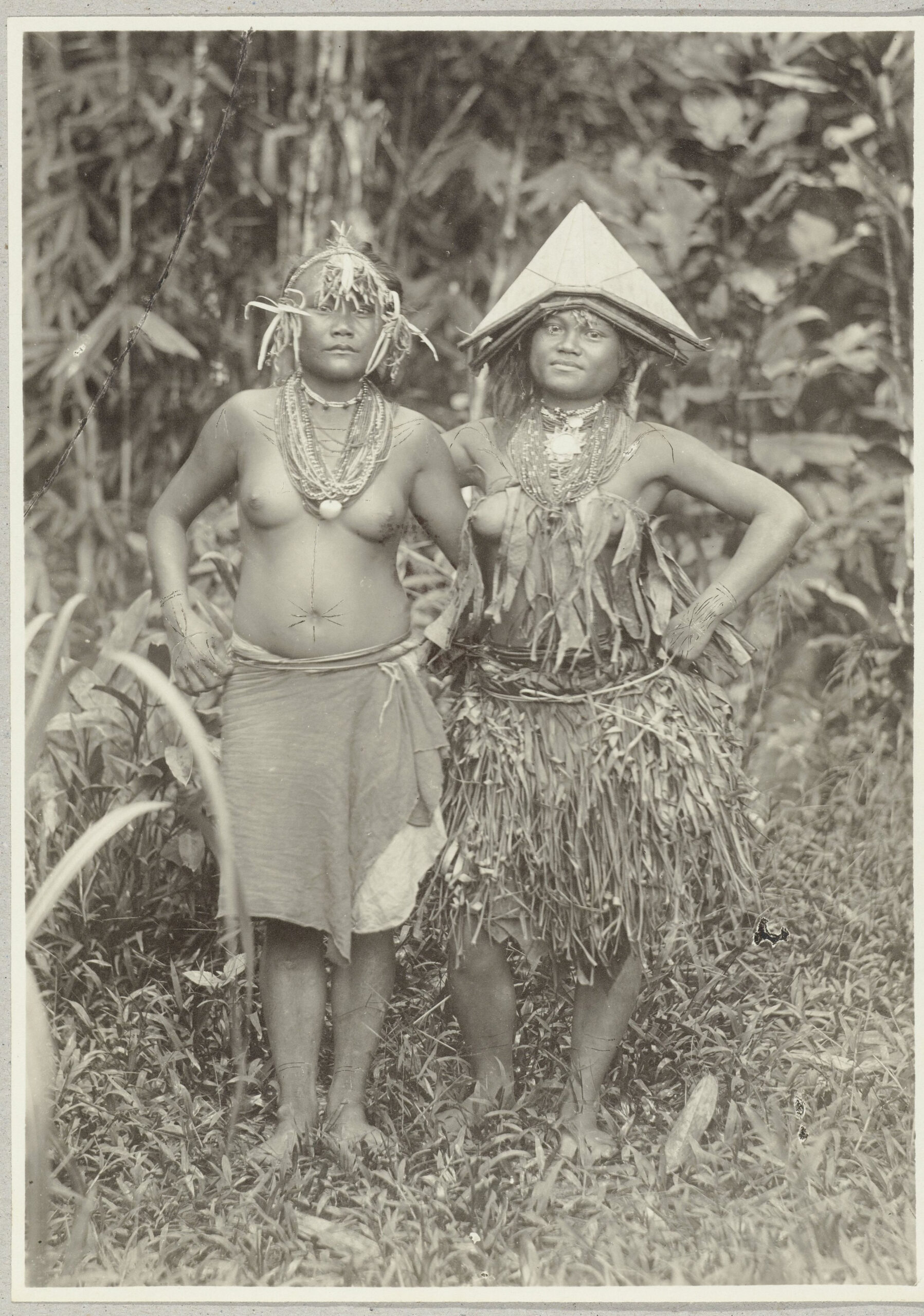
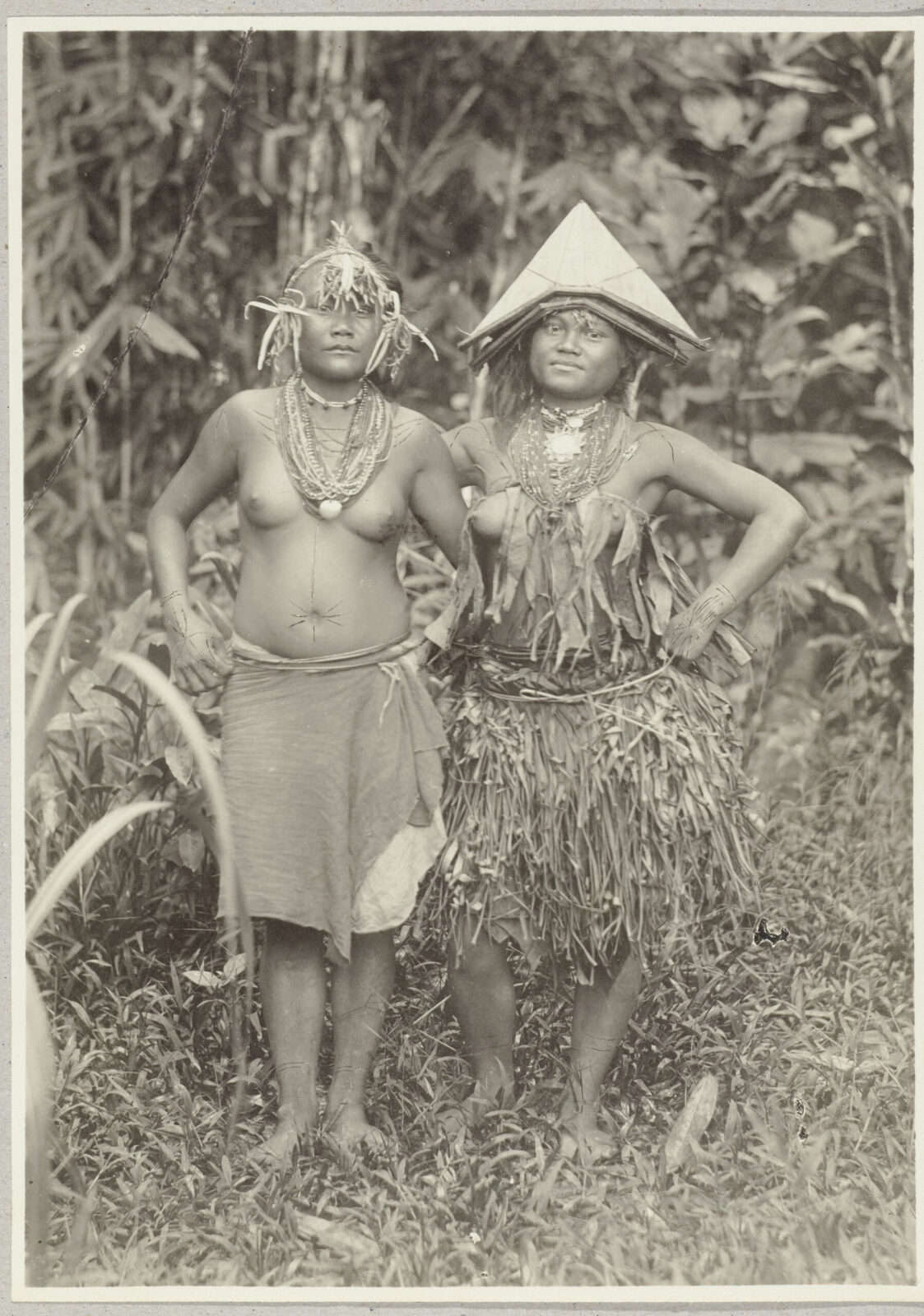
Nationaal Museum van Wereldculturen, The Netherlands

The Mentawai Islands were formally incorporated into the Dutch East Indies in 1864. Early interactions were marked by resistance, especially against Dutch efforts at “pacification” and social control. Colonial administrators soon realized that attempts to reshape Mentawai life were difficult to enforce in an archipelago of remote forests and river valleys. By the early twentieth century, the Dutch adopted a more hands-off approach. They documented the Mentawai with a mixture of fascination and condescension, writing about “flower-adorned natives” and describing Siberut as “the island of happiness”, revealing more about colonial imagination than about the Mentawai themselves.

Photo of Mentawai women during the Dutch colonial time Source: Nationaal Museum van Wereldculturen, The Netherlands

Not long after came the first Protestant missionaries. Their approach differed sharply from the Dutch. Seeing Mentawai spirituality as superstition and their way of life as “lazy” or “underdeveloped”, they attempted to replace local belief with Christianity. Their writings describe the Mentawai as trapped in “the terror of evil”, reflecting deep cultural misunderstanding. The first missionary was killed, and for decades missionary influence remained limited. Even by the start of the Second World War, only a small minority of Mentawai had converted.
Indonesian Independence

A far more profound rupture came after Indonesian independence. In the 1950s both Protestant and Catholic missionaries were active on the islands, and in 1954 the new Indonesian government issued a decree that prohibited so-called “animist religions”. All Mentawai were required to register as Christian or Muslim within three months. Those who refused faced pressure from officials and missionaries, and religious objects—talismanic bundles, ceremonial items, even heirlooms—were confiscated or burned. The decree struck directly at the heart of Mentawai spirituality and targeted kerei, the ritual specialists responsible for maintaining balance between the physical and spiritual worlds. Many were forced to abandon their practices. The effect was traumatic: a cultural system built over millennia was suddenly criminalized.

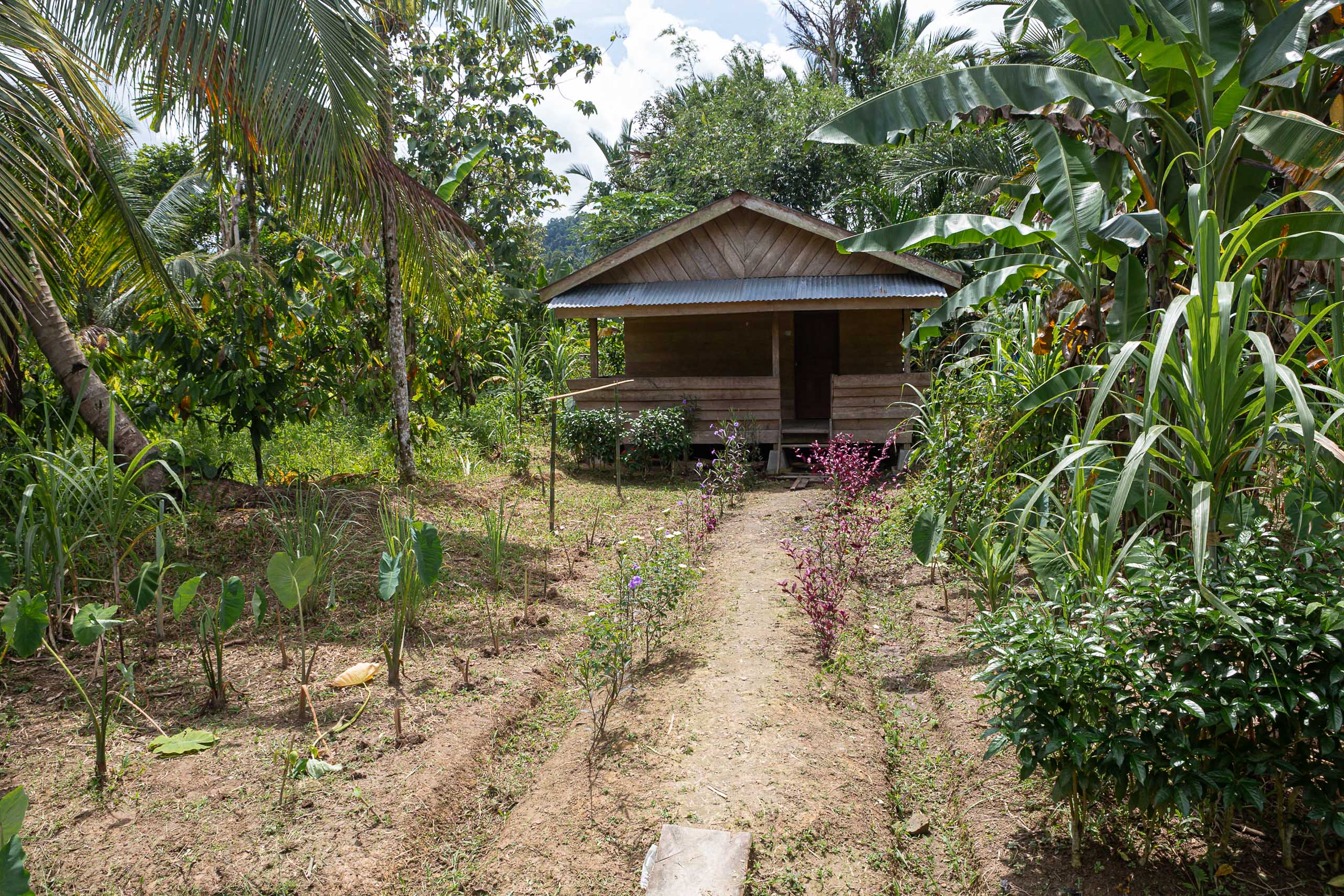
Mentawai government social village on Siberut Island
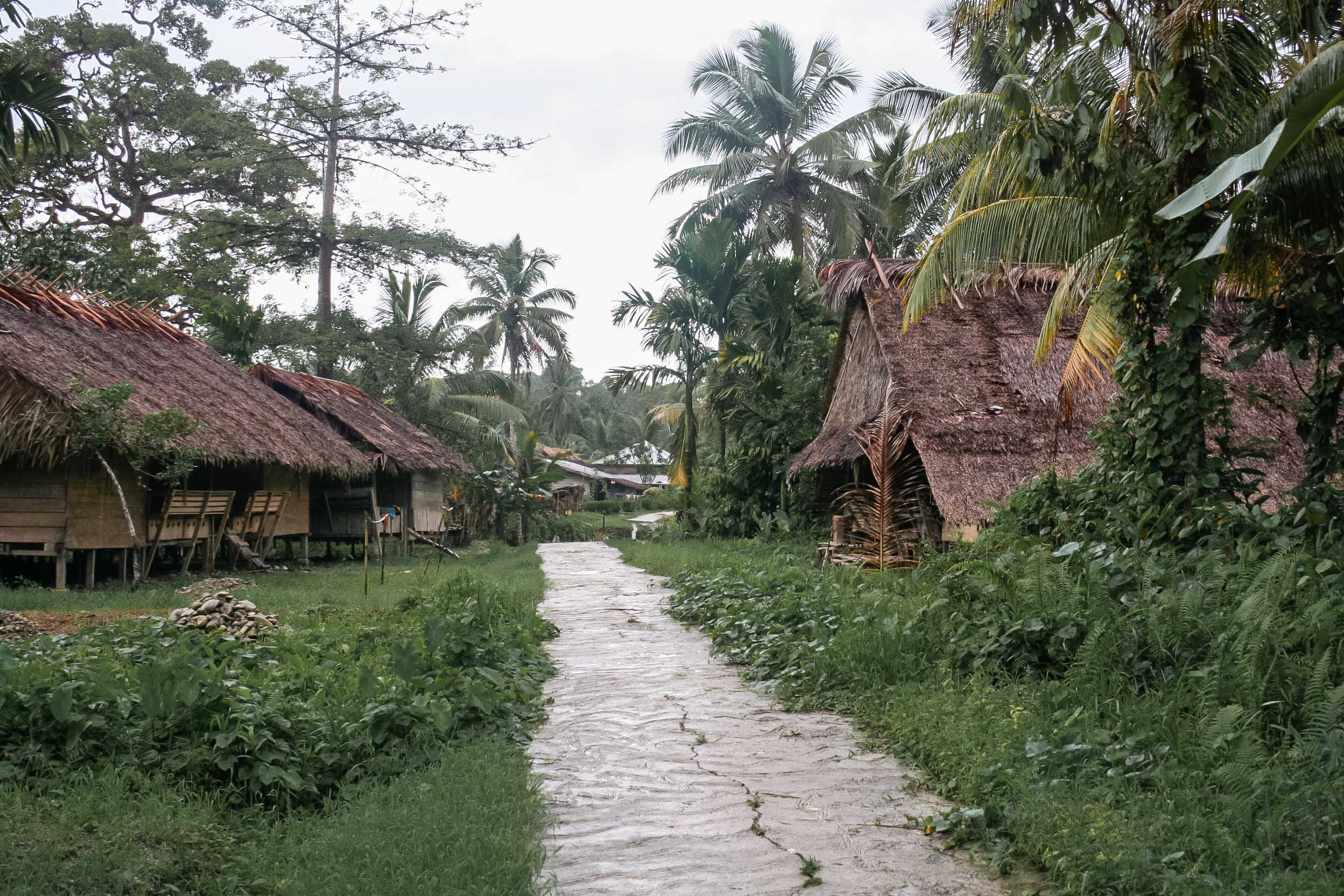
A typical house in a government-established social village

In the following decades, government programs sought to reshape Mentawai society even further. Policies aimed at “development” required families living in dispersed river valleys to relocate into new government-built villages. These settlements imposed single-family houses instead of uma longhouses, and villages were reorganized around churches, schools, and administrative posts. Traditional clothing, including loincloths and bark garments, was banned. Men were forbidden from growing long hair. Practices such as teeth-filing and tattooing — integral to identity, aesthetics, and spiritual well-being — were labeled primitive and prohibited. These measures were intended to replace “backward” ways with what the state defined as modern life. Over time, they disrupted long-standing systems of knowledge, kinship, and mobility.

Recognition & Renewal

By the 1980s the pressure on Mentawai culture was immense. Yet even in this difficult period, change was not one-directional. The policy of forced resettlement gradually eased, and there was growing recognition of the ecological importance of the islands. In 1981 UNESCO declared Siberut a Biosphere Reserve, highlighting its extraordinary biodiversity. Logging, once extensive and poorly monitored, came under closer scrutiny. Plans to convert parts of southern Siberut into oil palm plantations were halted in the early 1990s. In 1994 nearly half of Siberut was designated as a national park, supported by Indonesian authorities and local and international organizations.

Tourism began to develop slowly during this period. Although its impact has been mixed, it contributed to a renewed interest in Mentawai culture — both among visitors and among Mentawai themselves. Young people, seeing the value others placed on their traditions, began to reassess practices that had been discouraged or banned for decades. Rituals and ceremonies, once nearly eliminated, found new spaces for expression. The work of kerei, though practiced by fewer individuals, continued in pockets of renewal.

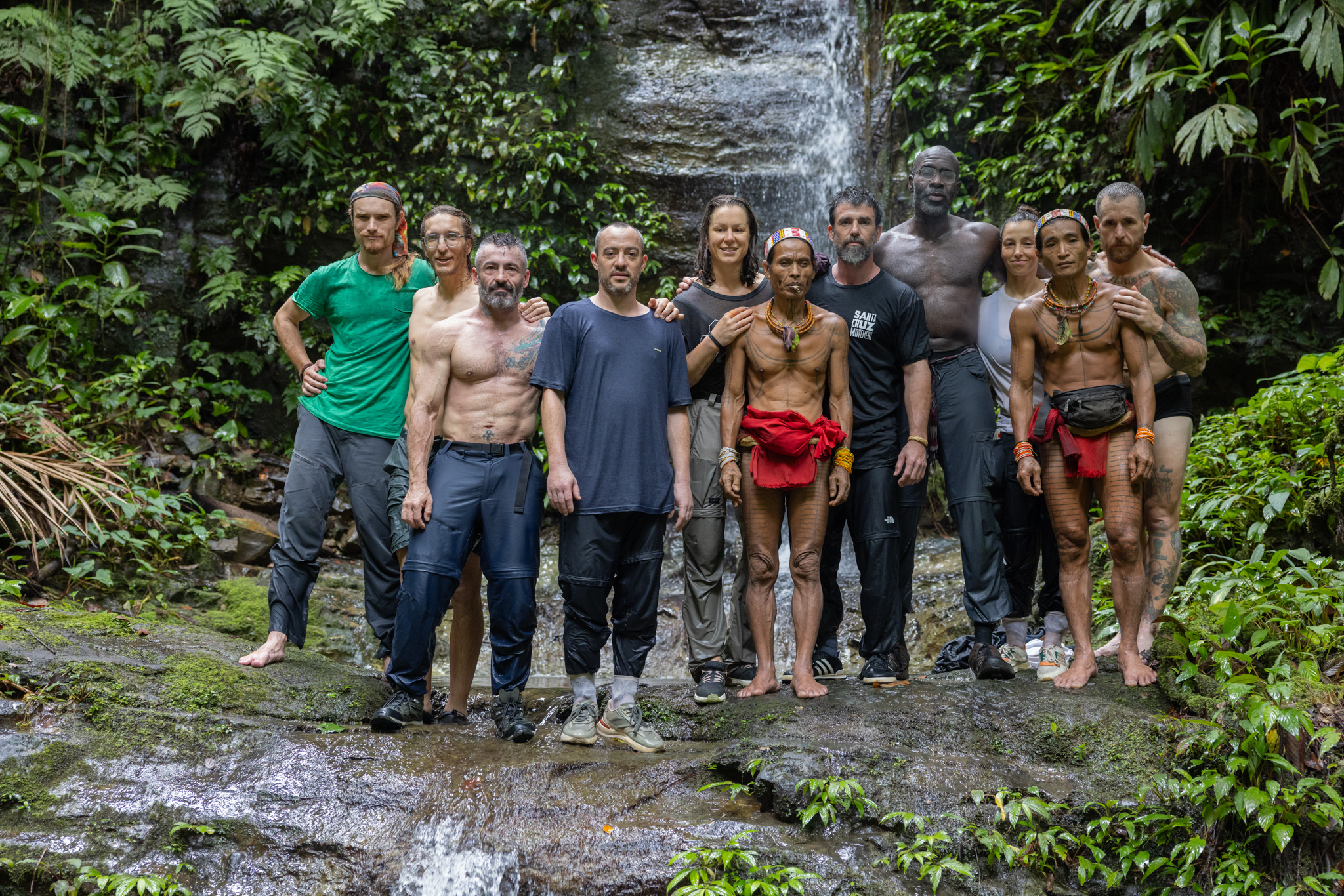
Tourists with Mentawai shamans at waterfall on Siberut Island
An increasing number of tourists are discovering Siberut Island

Despite these signs of revival, much damage had already been done. The number of Mentawai actively practicing traditional customs, rituals, and spiritual ceremonies had diminished drastically. By the late twentieth century, only a small number of clans — mostly in the Sarereiket and Sakuddei regions of southern and western Siberut — maintained continuous practice of Mentawai spirituality in its full form. Their perseverance has been crucial in keeping the knowledge alive.

LIFE TODAY — BETWEEN UMA AND VILLAGE

The first wave of Mentawai families who moved into government villages during the early decades of resettlement programs gradually adopted a way of life similar to that of other rural communities in Indonesia. Many still tend gardens on their former clan lands if these are not too far away, or have developed new plots closer to the village. Instead of sharing a single uma with multiple families and generations, they live in smaller, government-provided houses as individual family units.

Mentawai social village house on Siberut Island
A typical house in a social village

For families who initially remained in their traditional uma but lived relatively close to villages or harbors, schooling became a major factor of change. Children attending school often settled in villages, coastal centers, or, in some cases, on the mainland of Sumatra or the more developed Mentawai islands south of Siberut. Many built families there and adopted a more modern lifestyle, with little of their traditional belief system remaining. In several cases, elderly parents later left the forest as well, no longer able to sustain a traditional way of life on their own. As a result, many uma in these areas were abandoned and eventually fell apart without being replaced.

Families living in more remote regions have followed different paths. Many now move between forest and village life, maintaining gardens and sago groves in their ancestral lands while spending part of the year in government settlements. Only a small number of families have chosen to continue living permanently in an uma within their ancestral territory. Even in these cases, life has changed. Traditional architecture, ritual space, and communal practices remain important, but they coexist with modern materials and new rhythms of work. Younger families increasingly prefer to live as separate household units rather than sharing an uma with parents and extended sibling families, often building smaller uma for themselves.

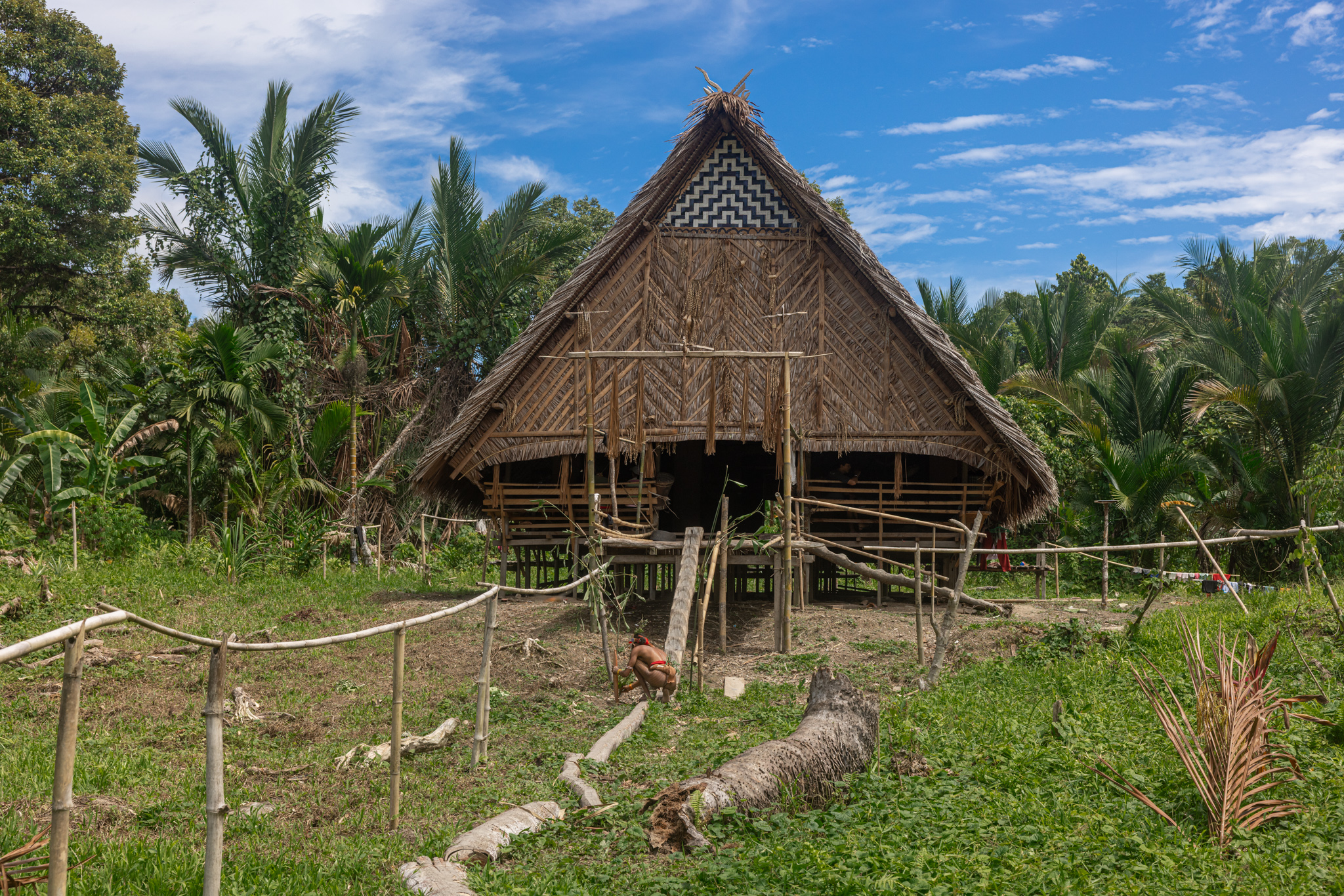
In recent years, a small number of families have returned to forest settlements after long periods in villages, building new uma closer to their clan lands. These are often smaller versions of the traditional longhouse, reflecting both continuity and adaptation.

A newly built traditional Mentawai uma clan house on Siberut Island
The new uma of a family moving out of a nearby social village

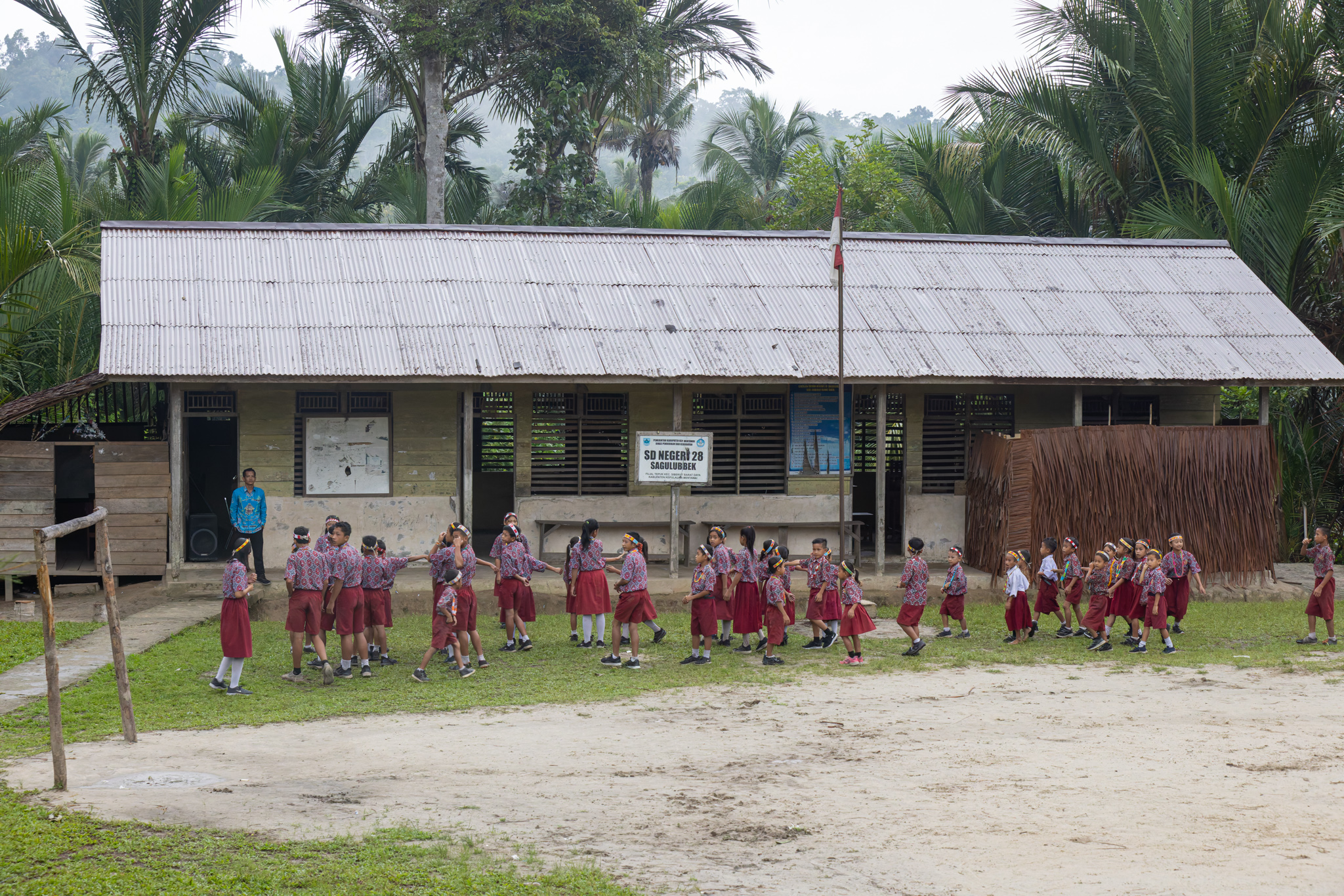
oday, nearly all children attend school. In more remote areas, this often means that young children walk over an hour each way to reach elementary school. High schools are usually even farther away, requiring students to stay during the school week with relatives or friends, as daily commuting is often not possible.

A Mentawai elementary school in West Siberut Island
The elementary school in Sagulubbek, west Siberut

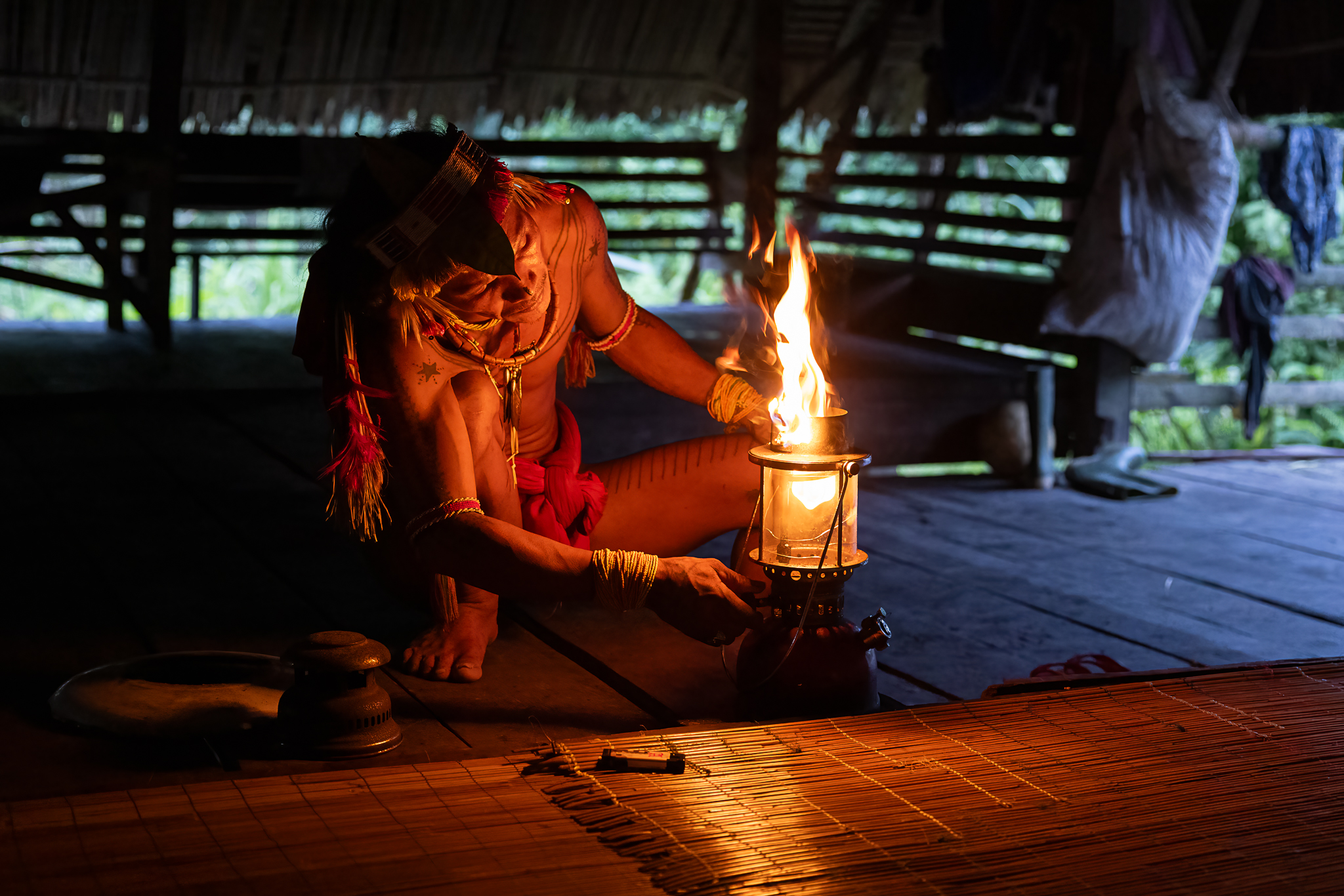
Indonesian is widely spoken among younger generations, and manufactured goods have become part of daily life. Metal tools, outboard motors, mobile phones, and modern medicine are used alongside older technologies and practices. Government villages are supplied with electricity, initially through generators and increasingly through the expanding state grid. Solar energy has also become common and is particularly important in remote uma, where it has replaced oil lamps and, later, kerosene pressure lamps.

Mentawai shaman lighting a kerosine pressure lamp
Aman Manja lighting a Petromax kerosine pressure lamp

Change is therefore not experienced as a single break, but as ongoing movement between different ways of living. For most Mentawai, modern life is not understood as a rejection of tradition, but as something that must be managed. The challenge lies in deciding which elements can change, and which must remain intact for Mentawai society to continue functioning as more than a cultural form.

THE FUTURE - QUESTIONS AHEAD

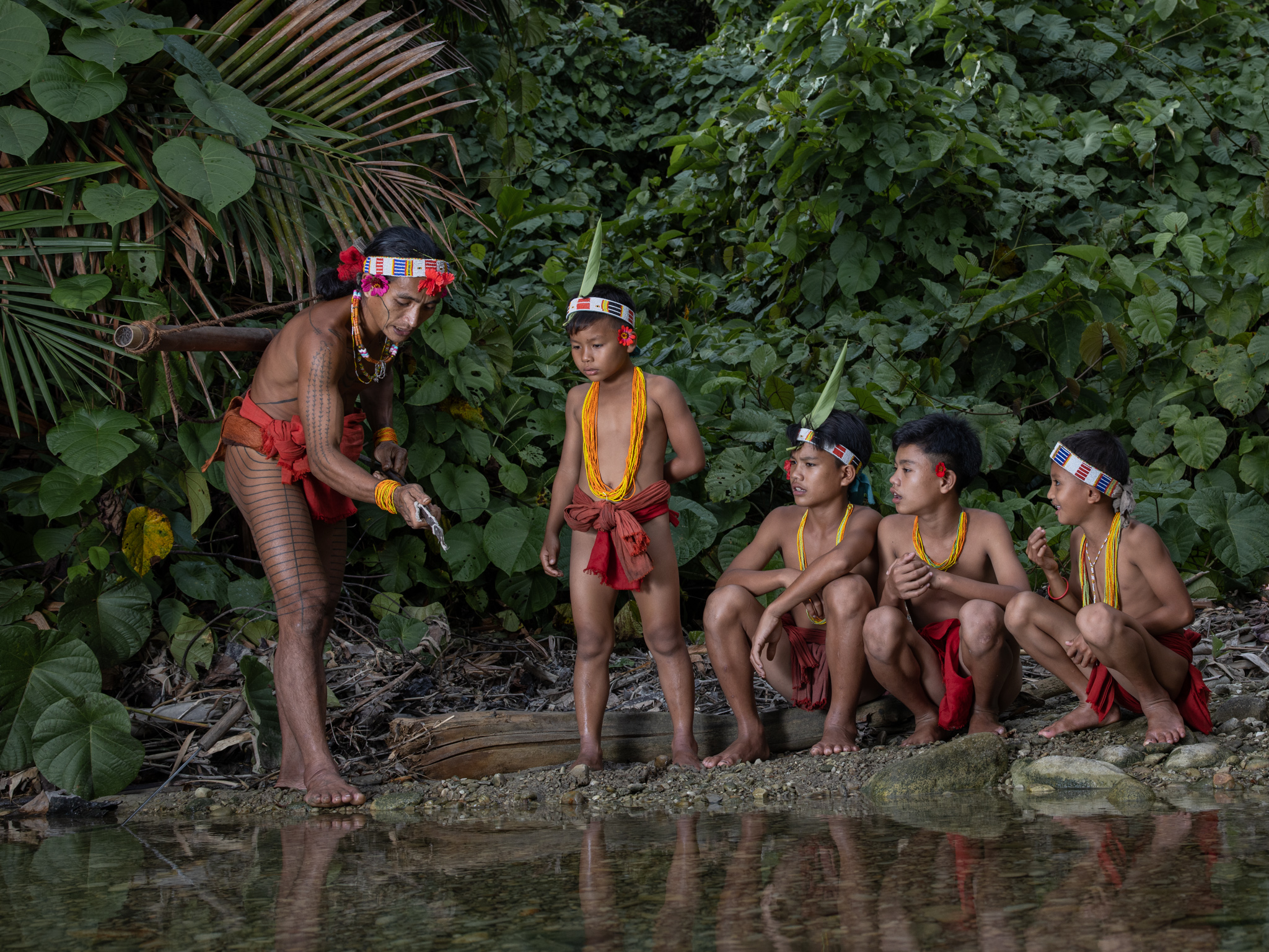
Today, Mentawai life continues to change. Indigenous religion is no longer illegal; in fact, the government is increasingly and formally recognizing such beliefs. Young men are again choosing to receive traditional tattoos, and the uma is once more recognized as an important place in community life. Elders, families, and cultural advocates work to keep knowledge alive and to pass on what was once nearly lost.

A Mentawai shaman teaching children how to use bow and arrows
Aman Sasali teaching young boys how to use bow and arrows

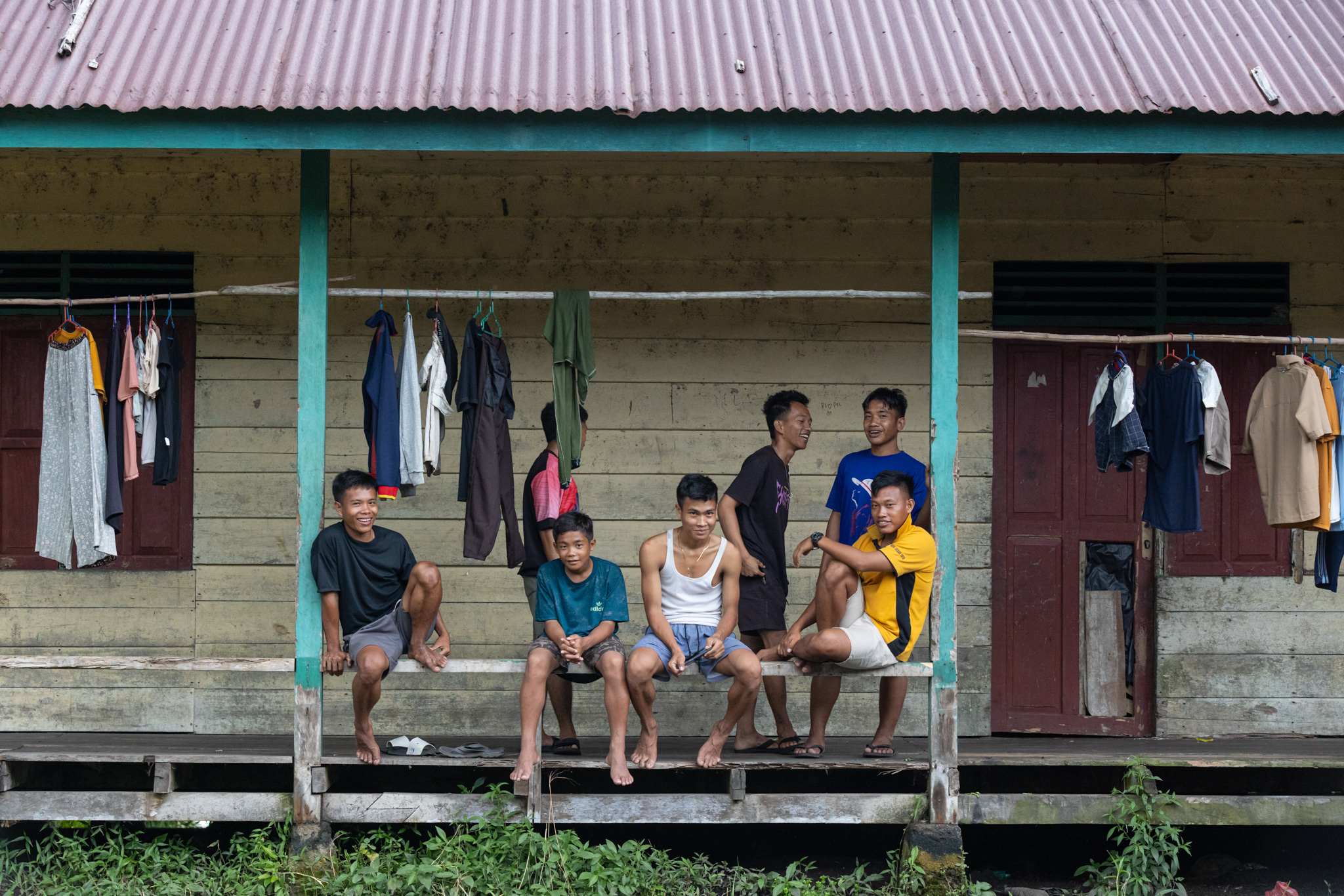
At the same time, a more fragile issue is becoming visible. Fewer young men want to become kerei. The path is long and demanding, shaped by years of learning, strict taboos, and constant responsibility toward both people and spirits. Many say it is simply too hard, or that it does not fit with the lives they now imagine for themselves. Through education, wage labor, and social media, other futures appear easier, more rewarding, and more respected.

Mentawai teenagers in the north of Siberut Island
Mentawai teenagers at a social housing complex to attend a nearby school in Sikabaluan

This raises a difficult and uncomfortable question. Without kerei, what remains of Mentawai culture? Tattoos, houses, and ceremonies may continue, but they risk becoming forms without responsibility. Mentawai life has always been grounded in a careful relationship between humans, the forest, ancestors, and the spirit world. The kerei are entrusted with maintaining this balance. They carry knowledge that cannot be simplified, shortened, or replaced. If the role of the shaman disappears, this knowledge does not simply wait to be revived later — it is lost. What remains may still look like Mentawai culture, but it will no longer function in the same way.

The future therefore remains uncertain. Cultural survival is not only about protection or revival, but about continuity. It depends on whether this demanding role can still be carried forward, and whether young people can find meaning, dignity, and support in becoming kerei in a changing world.

LAND, FOREST, AND CONTINUITY

The future of Mentawai culture is inseparable from land and forest. Ritual life, subsistence, and spiritual practice depend on continued access to rivers, sago swamps, hunting grounds, and ancestral territories. Without these, knowledge cannot be practiced, taught, or transmitted.

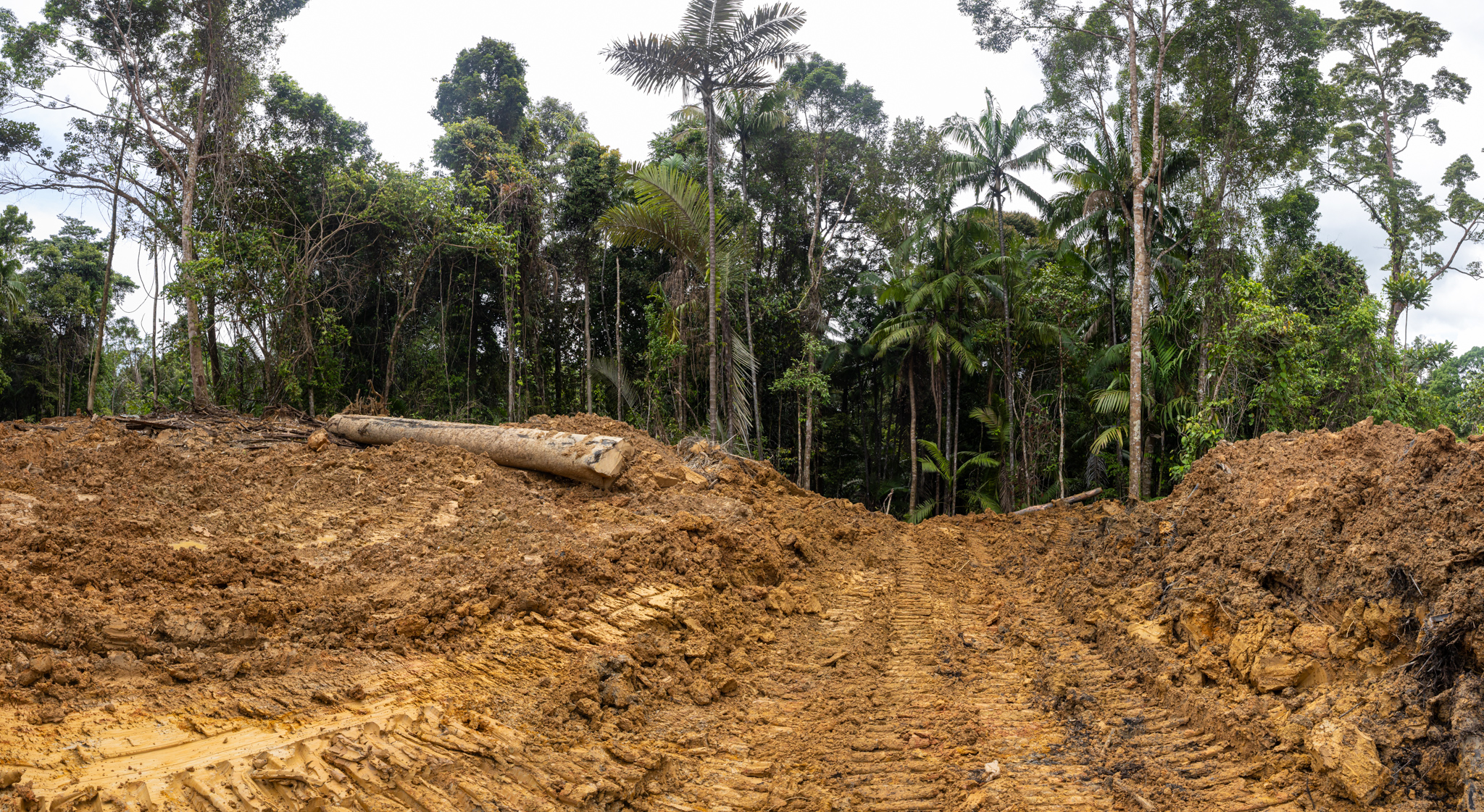
Although parts of Siberut are now protected, pressures remain. Logging, development plans, infrastructure projects, and changing land use continue to affect forest access and mobility. For many Mentawai, cultural survival is therefore not only about recognition or revival, but about control over the landscapes that sustain both daily life and spiritual responsibility.

Logging road on Siberut Island
A logging road in the north of Siberut

The history of the Mentawai Islands is often told as a story of loss, but it is also one of persistence. Despite centuries of pressure and decades of suppression, Mentawai society continues to adapt. Its future, as always, will depend on balance — between forest and development, modern life and ancestral knowledge, and between the visible world and the unseen one that still shapes everyday life.

error: Content is protected !!
Scroll to Top