www.thementawai.com

Culture & Craft

Culture

Traditions of the Ancients — A Living Past
Mentawai culture is one of the world’s oldest continuous traditions, rooted in the late Neolithic era and shaped by thousands of years of adaptation to the rainforest environment. Rather than being a relic of the past, it is a living system built on balance—between people and forest, clans and families, and the physical and spiritual worlds that interact in daily life.

At the center of this social world stands the uma, the communal clan house where families gather to share meals, make decisions, and carry out ceremonies. It is also the place where kerei, the community’s shamans, perform rituals that safeguard the soul, restore harmony, and maintain relationships with unseen beings. Life flows outward from the uma to surrounding gardens, sago groves, forest shelters, and the river systems that anchor clan territories.

Subsistence practices remain diverse and ecologically attuned. Families cultivate taro, bananas, and medicinal plants in mixed gardens, fish the rivers, hunt in the forest, and process sago—the staple starch of the islands. This rhythm is semi-nomadic: while the uma anchors community life, seasonal movements to temporary shelters allow families to harvest forest resources without overburdening any single area.

Social life is strongly egalitarian. Leadership is shared among elders and household heads, and decisions are made through discussion rather than hierarchy. Men and women hold distinct yet complementary responsibilities, and children learn by observing and participating in daily tasks. Values such as reciprocity, respect, and cooperation are reinforced through food sharing, marriage exchanges, hunting partnerships, and ritual obligations.

Underlying all of this is a spiritual worldview that sees humans as part of a wider community of beings—animals, plants, ancestors, and spirits—all possessing souls and deserving of respect. Maintaining balance among these relationships is essential to well-being. Rituals, tattooing, adornments, taboos, and healing practices all serve this purpose.

Even as outside influences increase, the core of Mentawai identity endures. Some traditions adapt, some decline, and others are actively protected by communities determined to preserve their heritage. What remains constant is a deep commitment to living well with the forest, with family and clan, and with the many seen and unseen beings who share their world.

Material Culture

Everyday Craftsmanship, Clothing, Canoes, and Adornments
Mentawai material culture reflects practicality, beauty, and spiritual attention. Objects are made to serve daily needs, but also to please the soul, strengthen relationships, and maintain harmony with the environment.

Clothing - Kabit

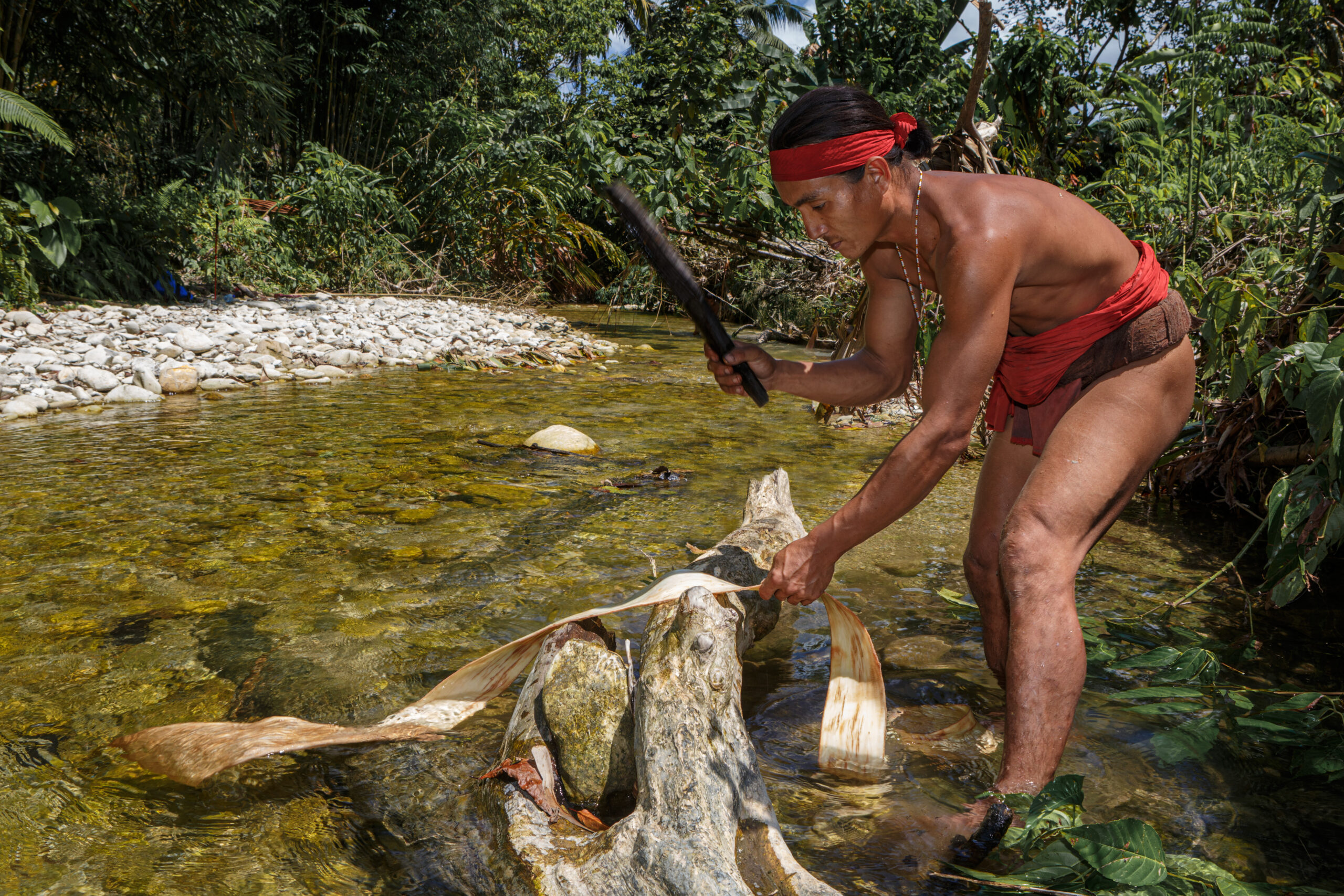
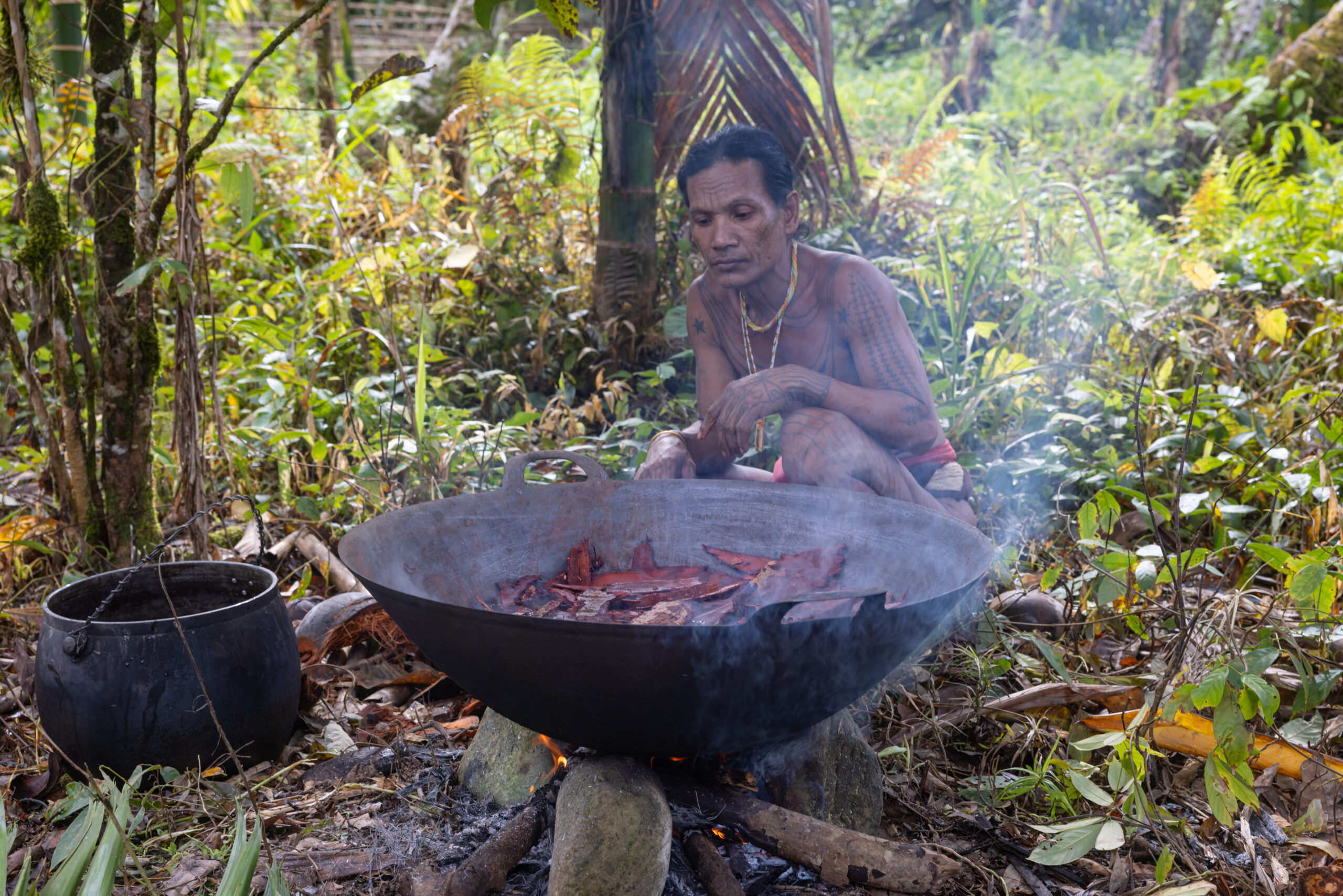
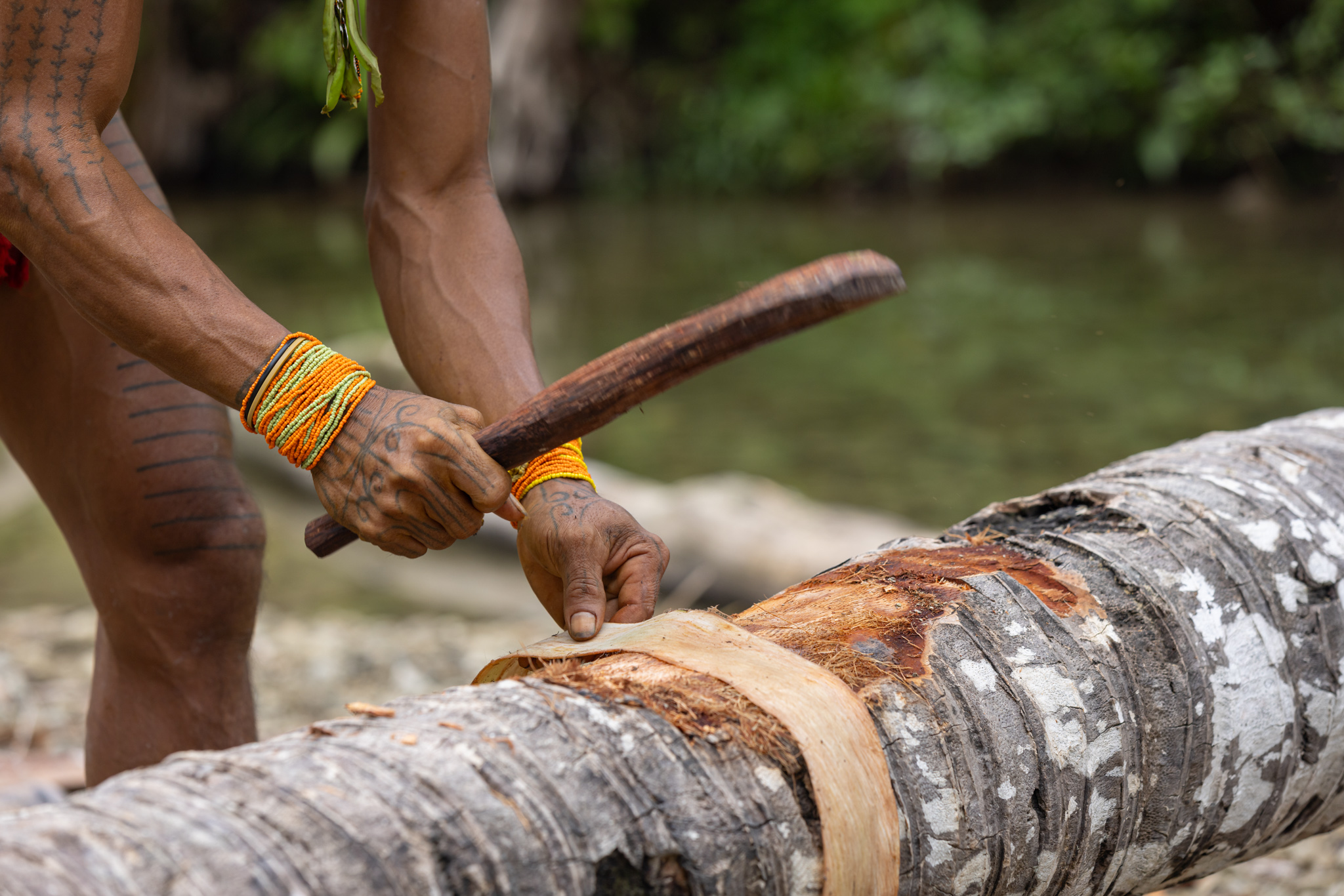
The kabit is the traditional Mentawai loincloth worn by boys and men. Made from the inner bark of the baiko tree, it is peeled, soaked, washed, and then pounded with wooden mallets until it becomes soft, flexible fibre. After drying in the sun, the sheets are beaten again to achieve strength and smoothness.
 
Naturally pale brown or off-white, the kabit is deeply tied to the forest. For kerei, it is dyed deep orange by boiling it with mangrove bark (toggoro), a colour associated with ritual readiness and spiritual authority.
 
Today, boys often prefer shorts, while kerei may pair the bark cloth with woven fabric. Still, the kabit remains a clear marker of tradition — clothing born from trees, shaped by hand, and worn close to the skin.
Mentawai shaman loincloth
Aman Sasali using a mallet to soften the inner tree bark

Baskets, Containers, and Household Items

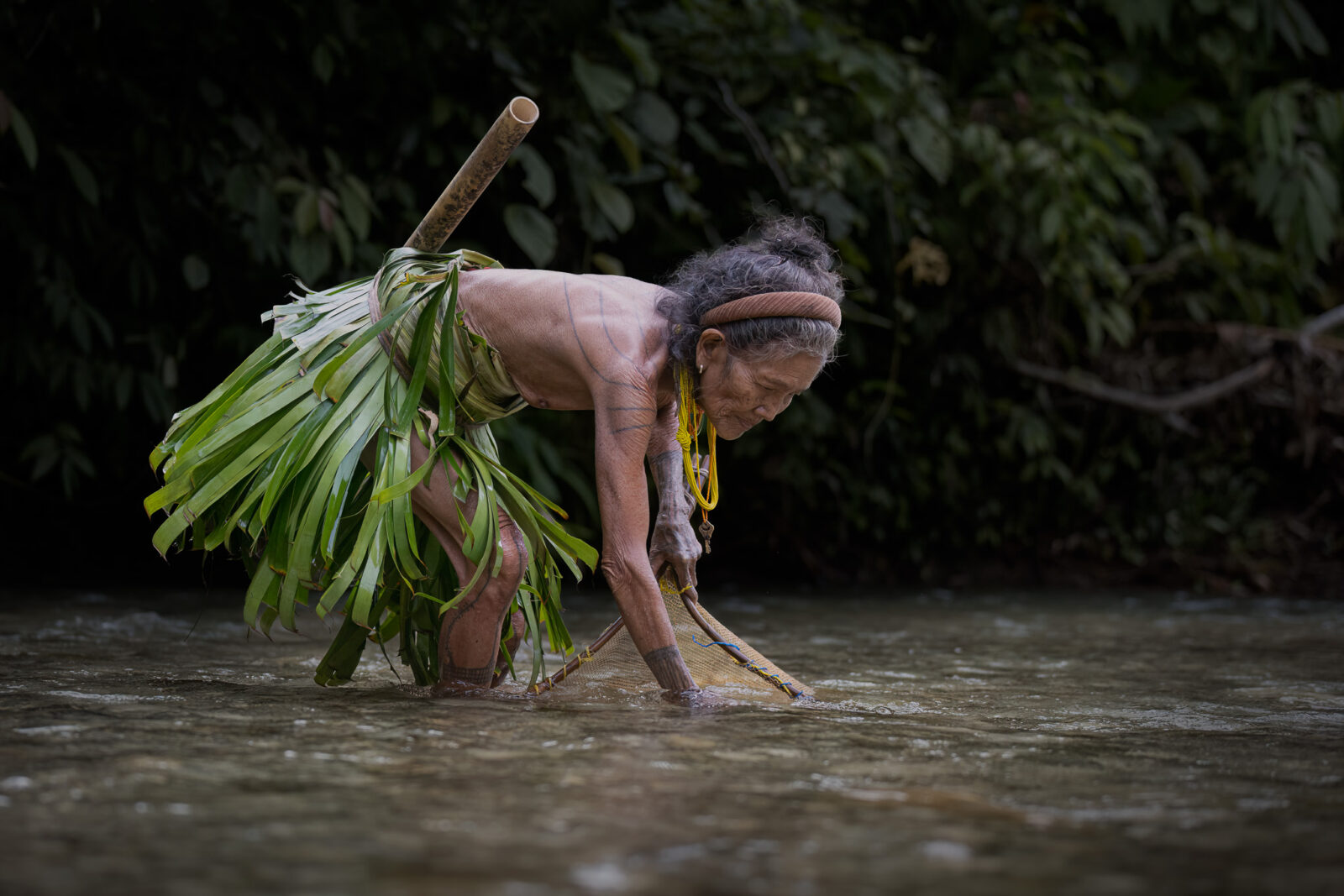
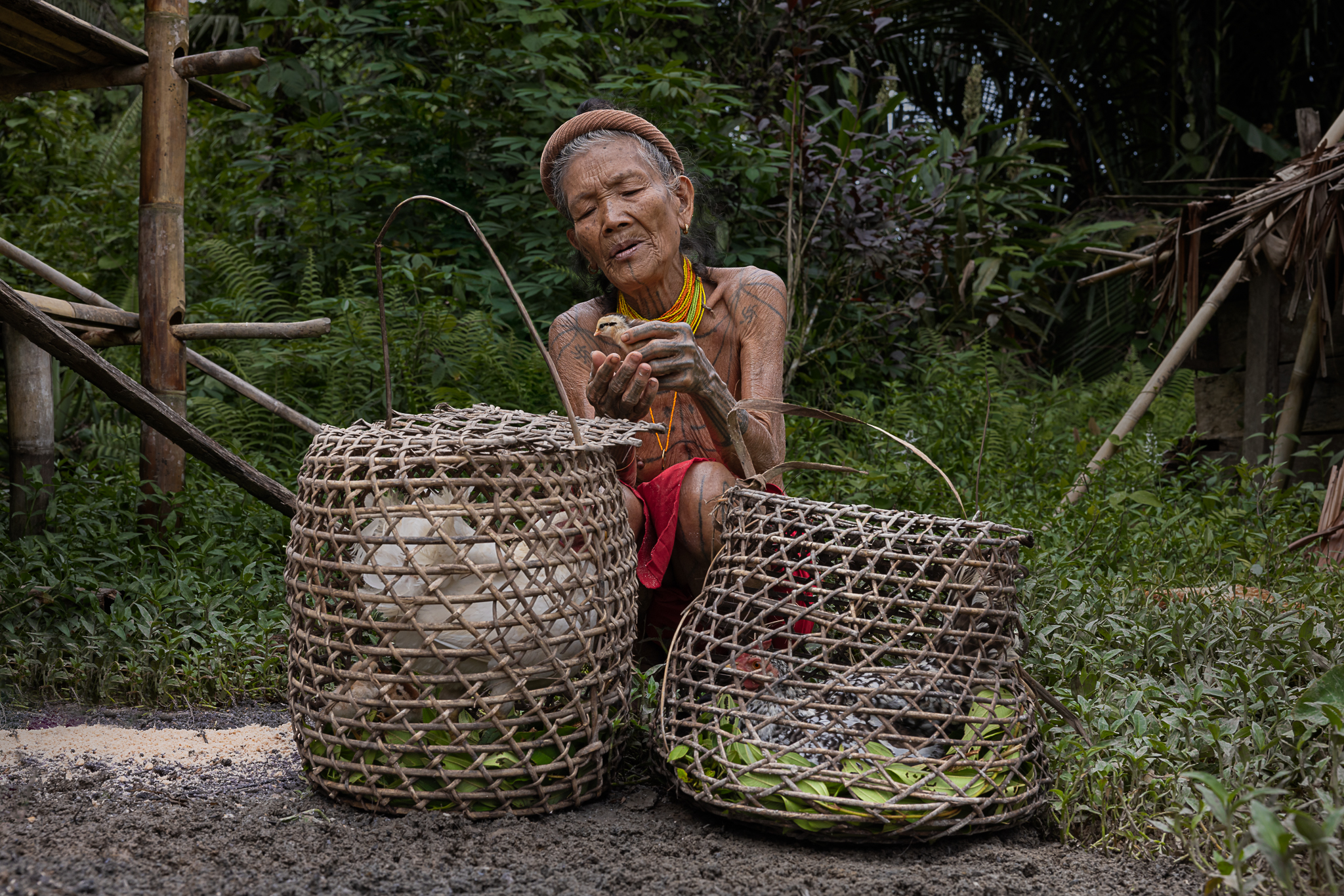
Baskets woven from rattan or palm materials serve many purposes: carrying sago, collecting forest products, transporting seedlings from garden to home, and housing chickens overnight.
 
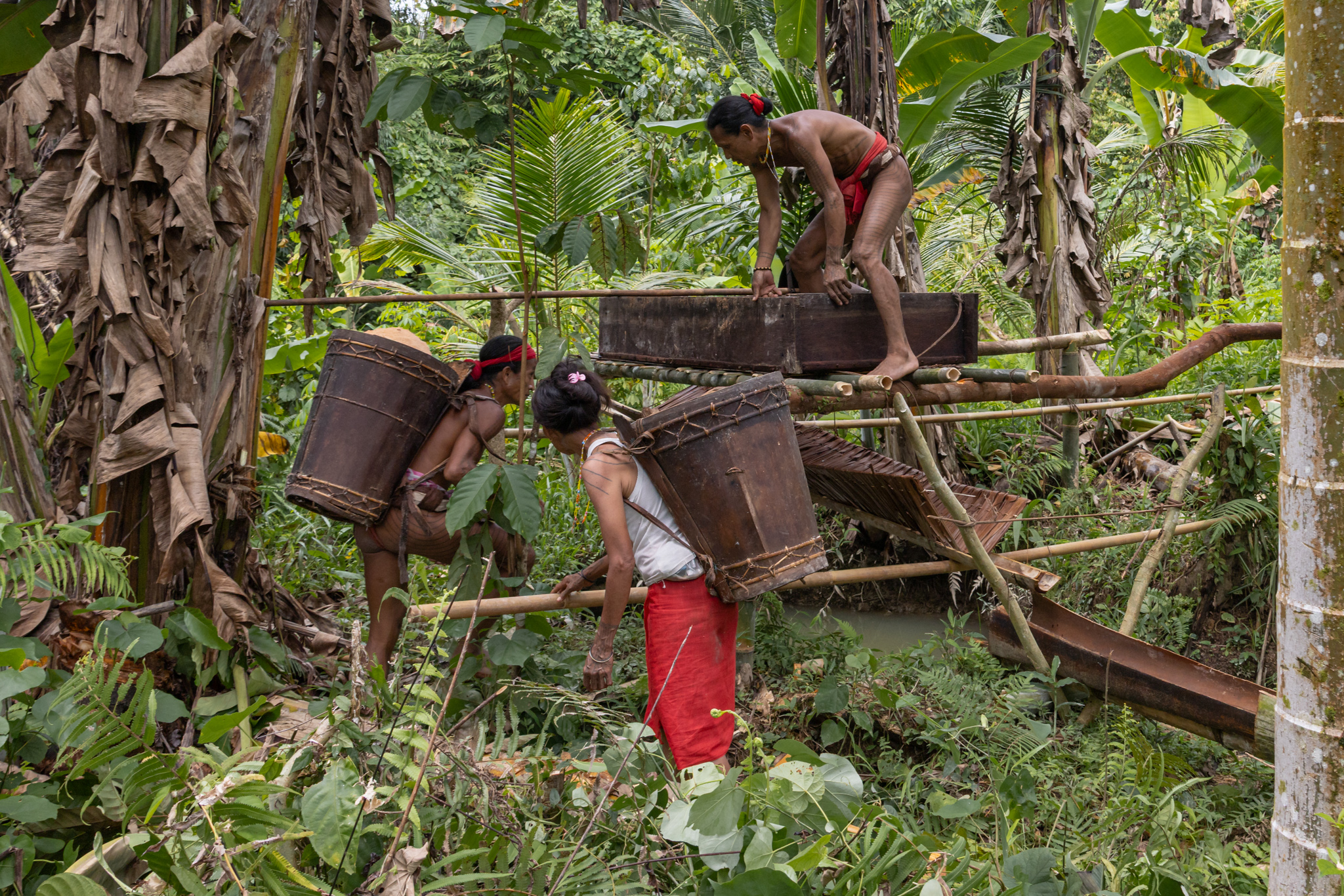
Bamboo containers hold food or medicinal plants, and were traditionally used to collect water from rivers before plastic buckets became common. Thorny palm-leaf stems function as natural graters for food and for ingredients used in hunting poisons.
 
Preparing sago relies on rattan sieves with bamboo mesh, while large wooden plates — lulak — serve for communal meals. Wooden mallets and carved tools support tasks from beating bark cloth to shaping canoes.
Mentawai women with chicken baskets
Teteu putting her chickens in rattan baskets, at the end of the day

Abak: dugout canoe

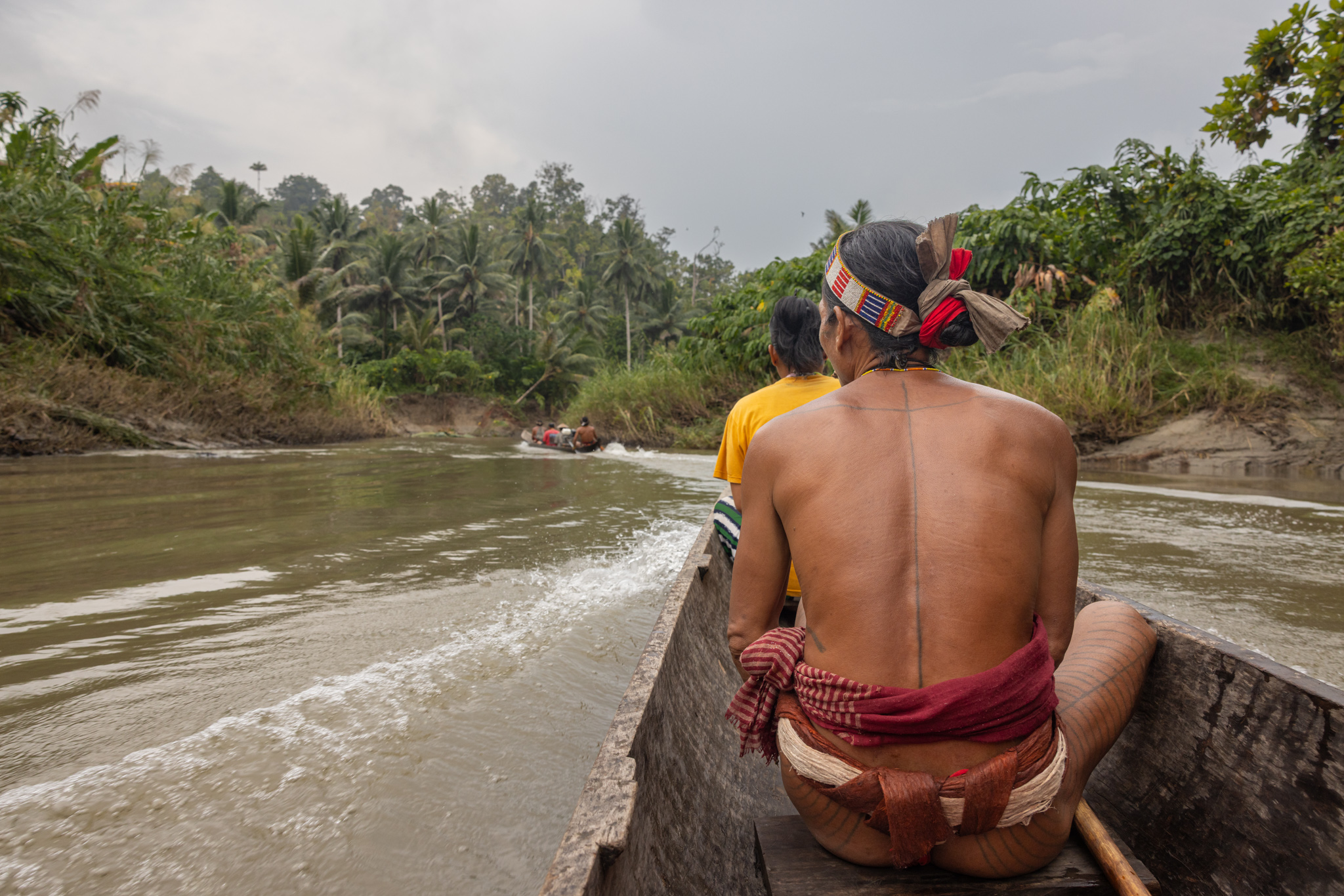
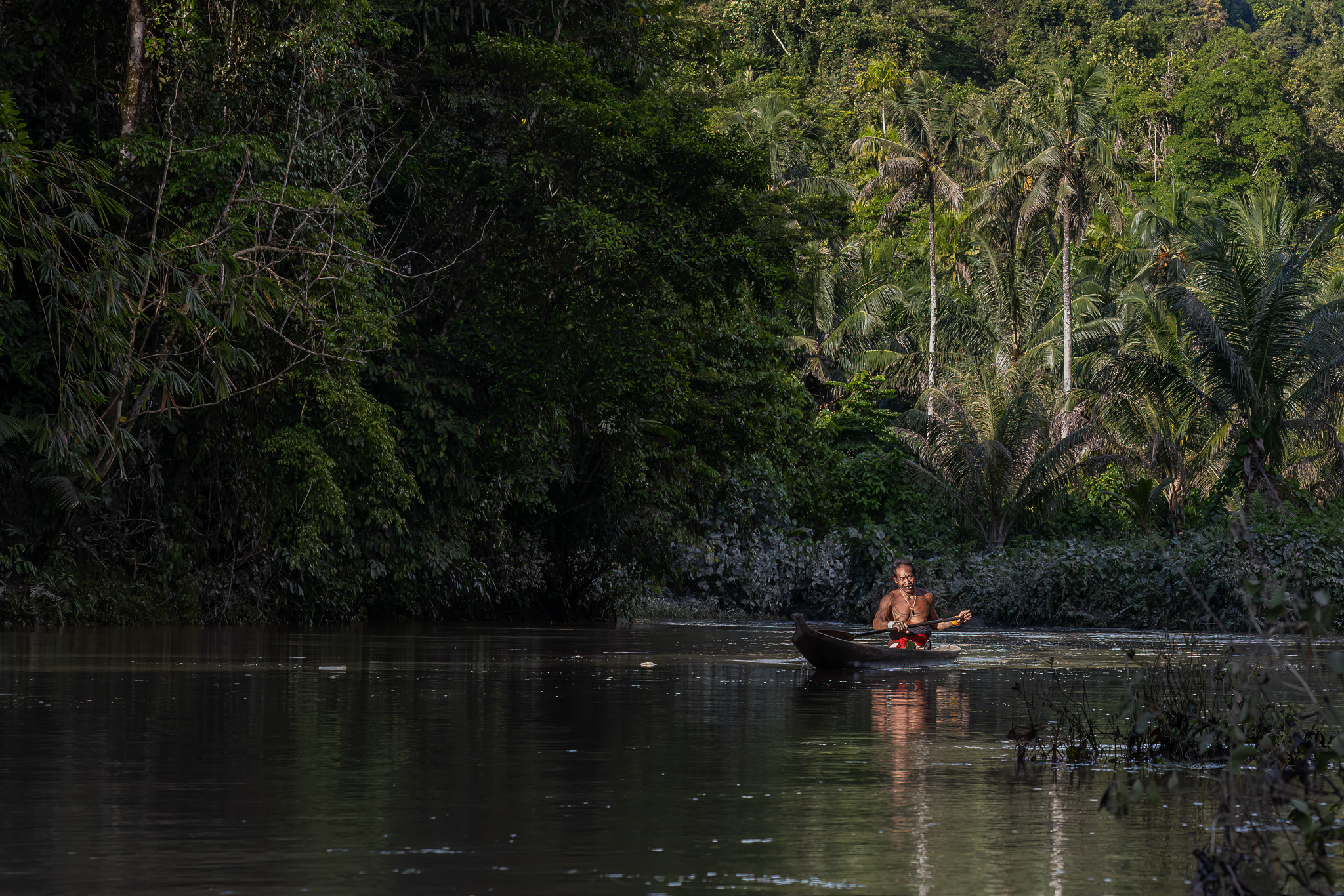
Mentawai shaman in canoe
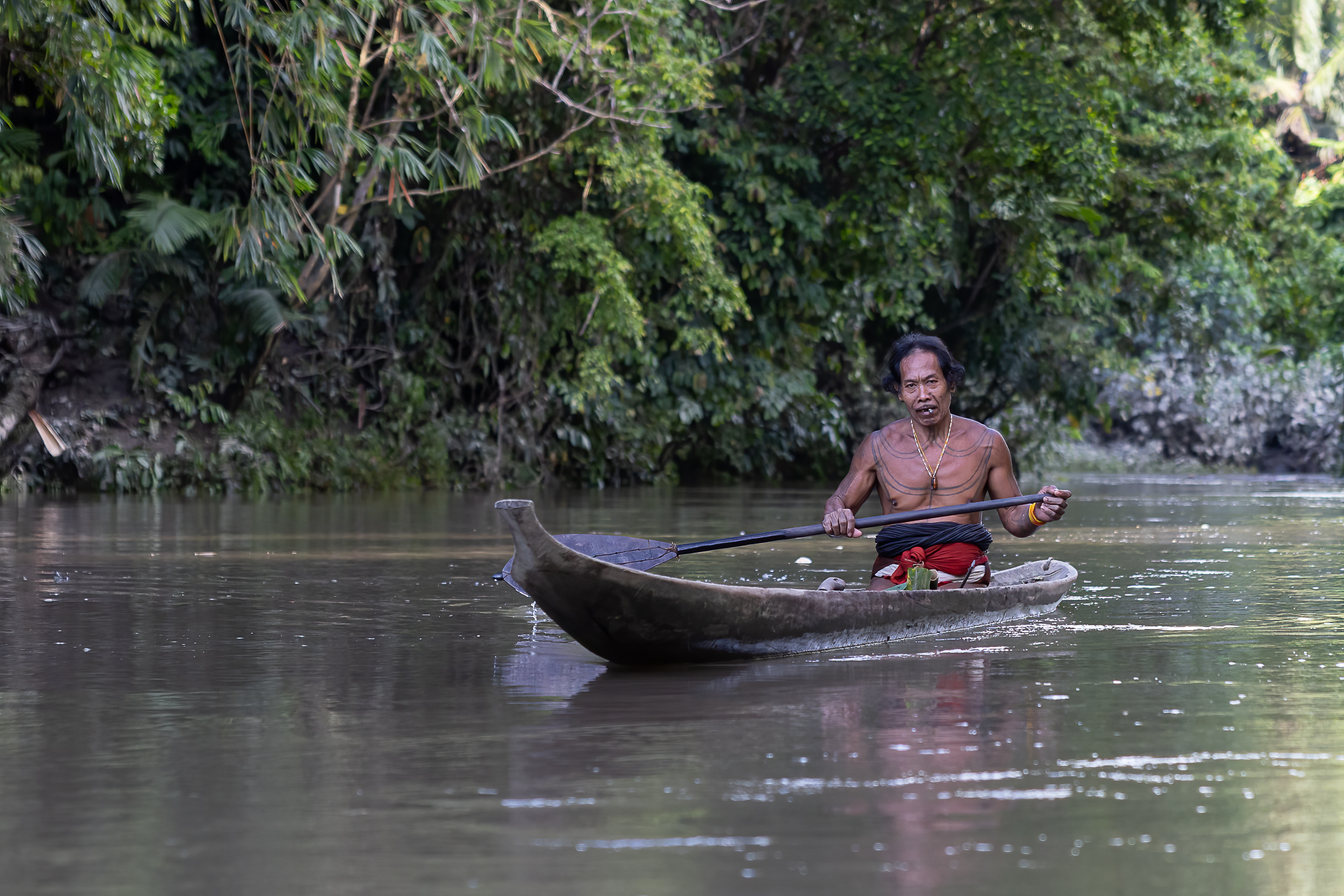
Aman Raiba in his canoe, paddling back from his field hut
Dugout canoes, or abak, are lifelines for the Mentawai — vessels carved from the trunks of large forest trees. Each canoe begins with the careful selection of a hardwood giant, chosen both for its physical qualities and the character of its soul.
 
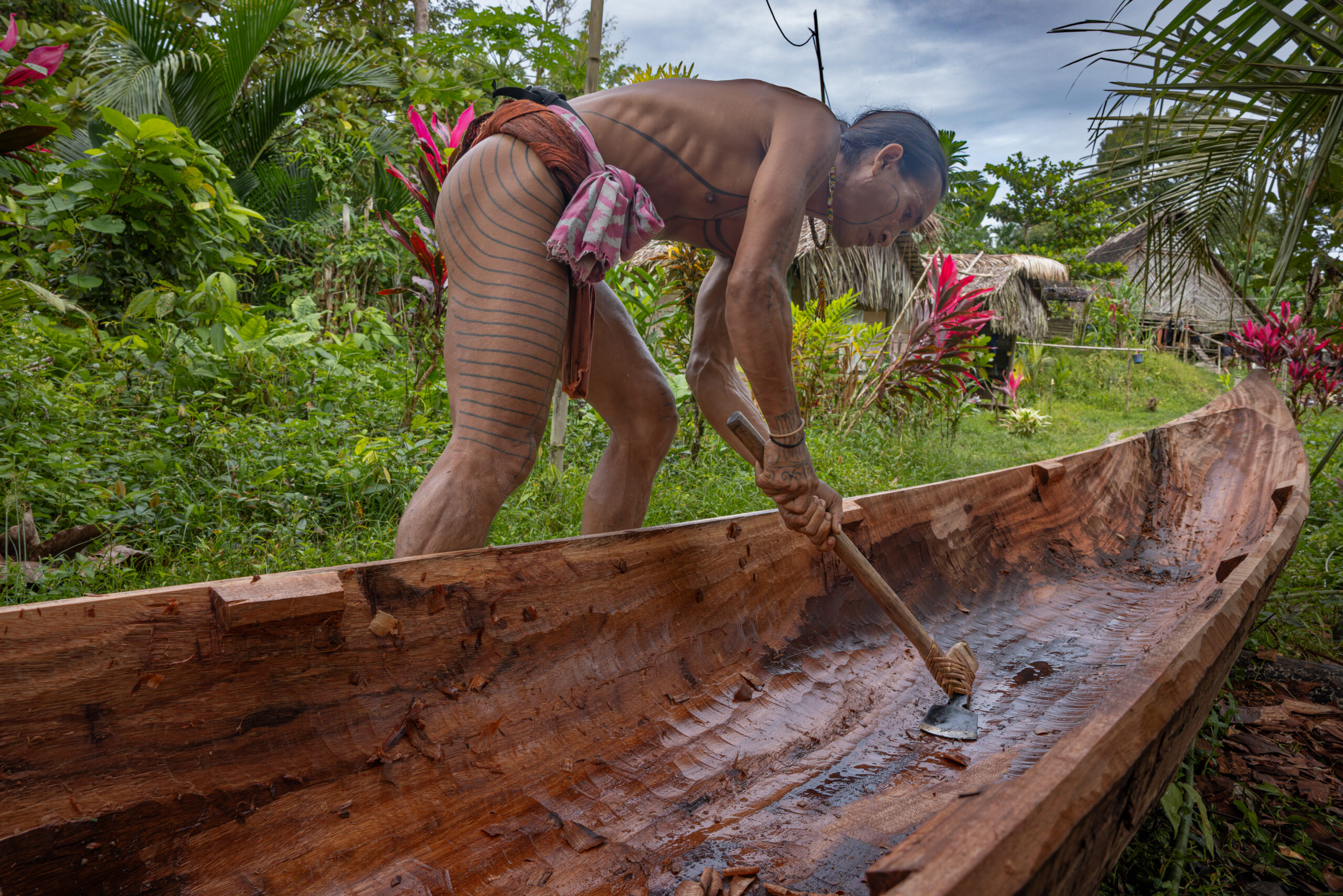
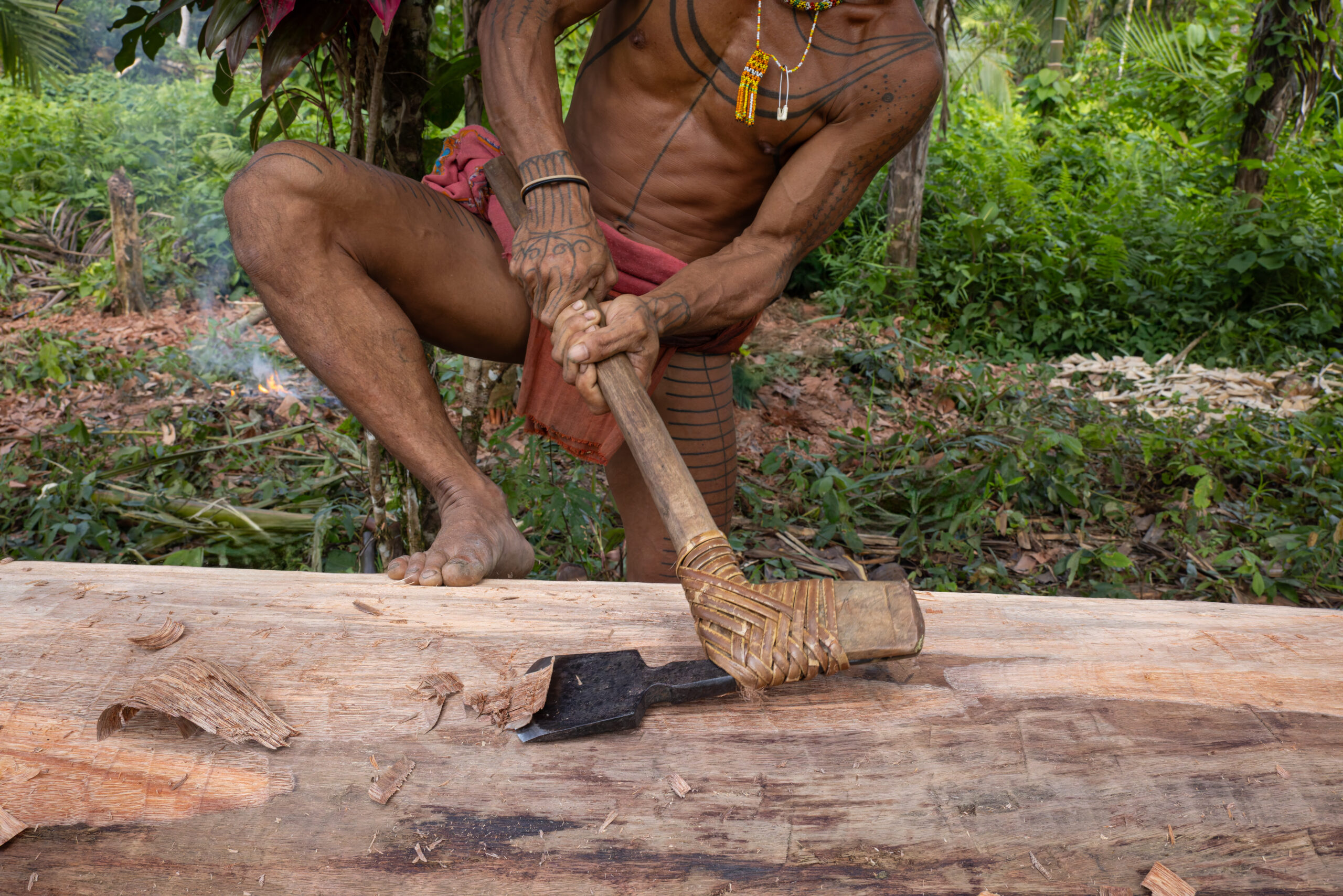
Once felled, the trunk is hollowed by hand using axes and adzes, gradually shaped into a long, balanced hull. Walking and the abak are the Mentawai’s traditional means of transport. Canoes connect distant uma, allow families to visit relatives, bring harvests from gardens, and carry people to ritual gatherings along the river systems.
 
Children learn to balance and paddle almost as soon as they can walk, and adults read currents with practiced ease.
Today, many dugouts along larger rivers are fitted with propeller engines, their hum replacing the quiet rhythm of paddling. Yet even with this change, the abak remains a symbol of connection — a vessel carved from the forest and guided by its waters.

Ritual Adornment

Tagline
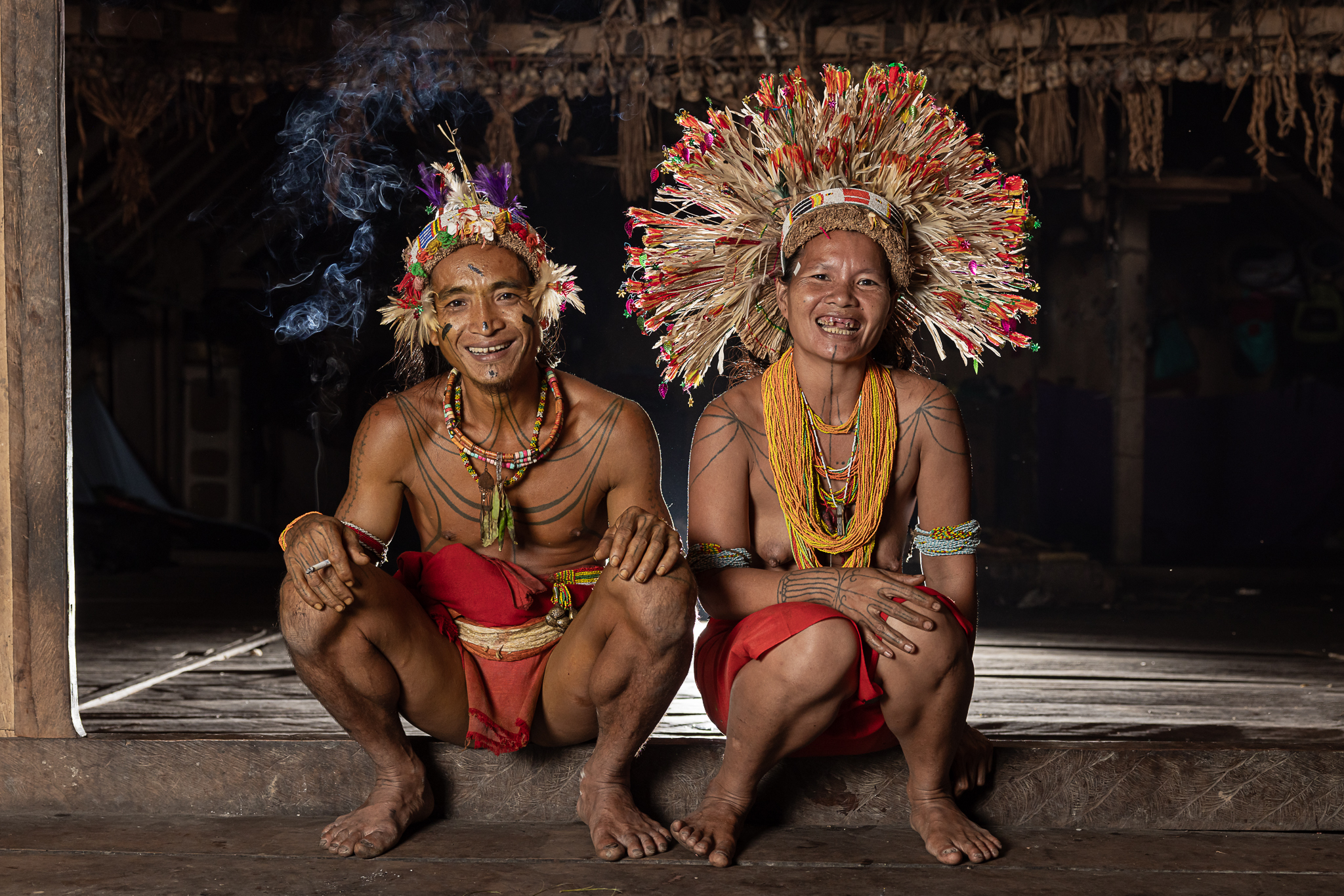
Mentawai shamans and their wives dressed for a ceremony
Mentawai shamans and their wives dressed up for a major ceremony
Adornment is not superficial. It pleases the soul, expresses well-being, and honors community and spirits. During ceremony, bodies become living symbols of harmony, identity, and readiness.

Men’s Ritual Adornment

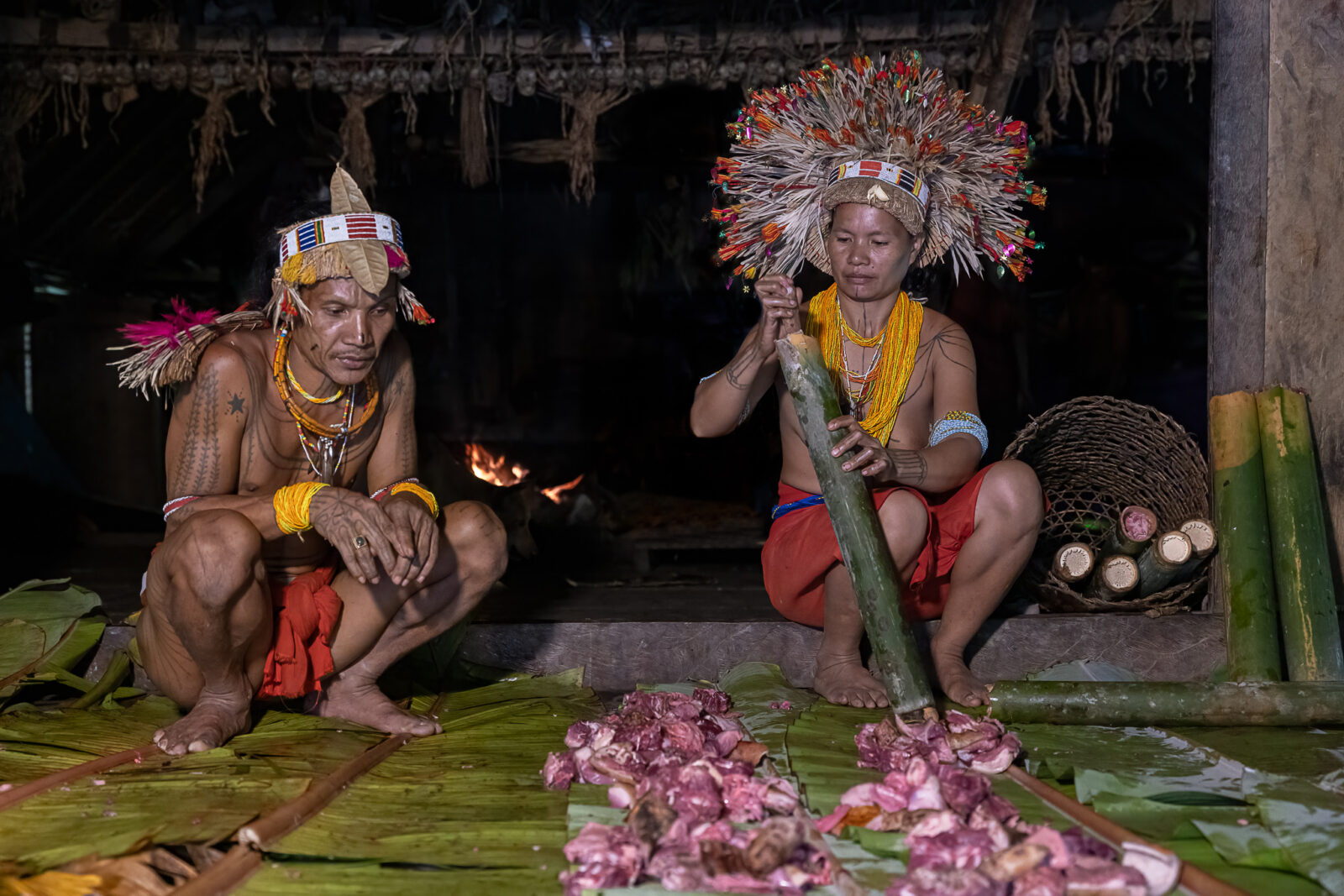
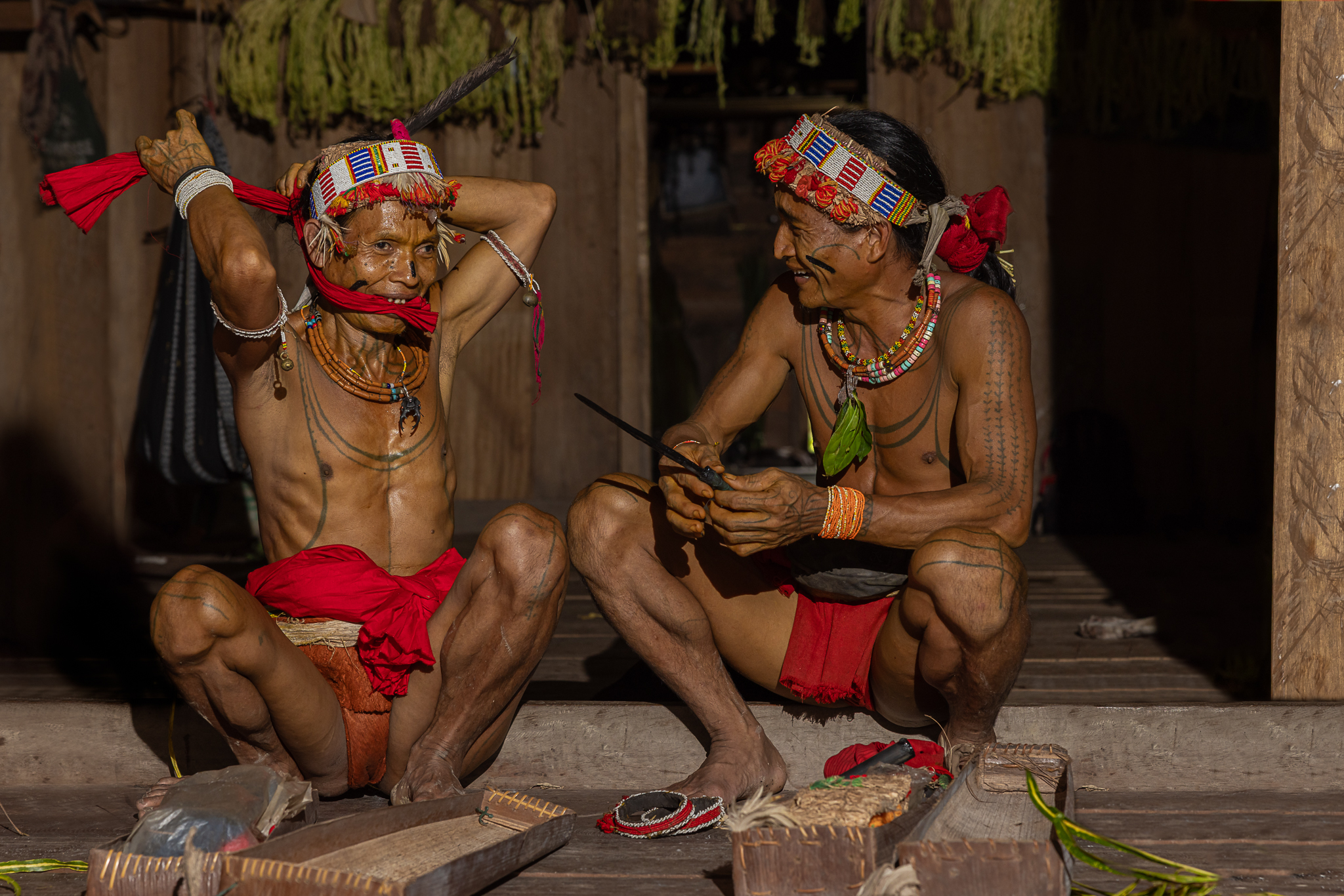
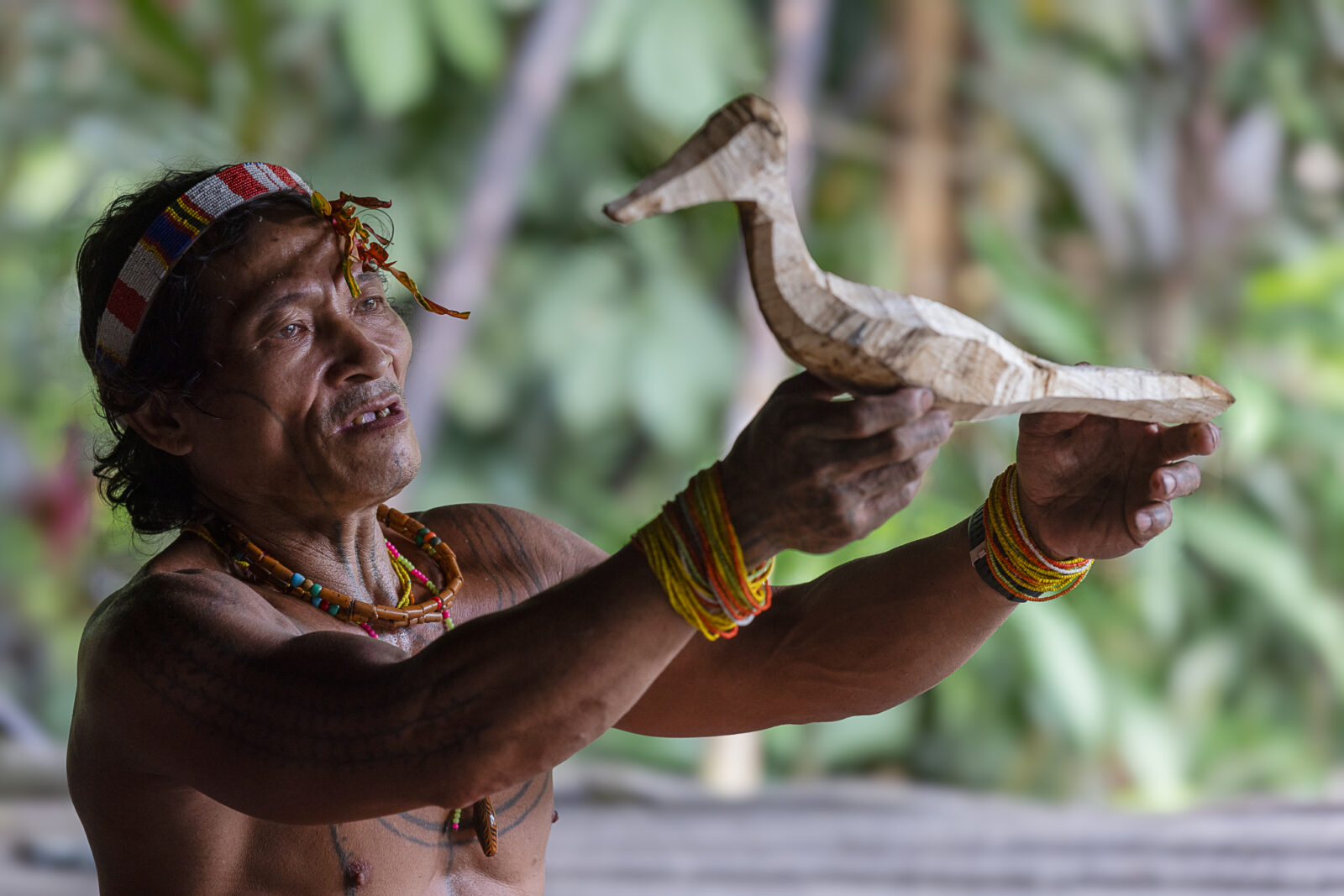
For Mentawai men — especially kerei — ceremonial adornment is a visible sign of spiritual preparedness. Leaves, flowers, beads, and feathers signal a man’s connection to the forest and his role within ritual life.
 
A leafy headdress decorated with feathers, mother-of-pearl, and flowers sits above the luat headband. Around the neck hangs the tudda, a shaman’s necklace of ancient ochre-colored beads. Beaded lekkau rattan armbands complete the ensemble. Tattoos, permanent marks of balance and identity, stand out against the simplicity of the bark kabit.
Mentawai shamans dressing up
Aman Tarik and Aman Sasali dressing up for a ceremony

Women’s Ritual Adornment

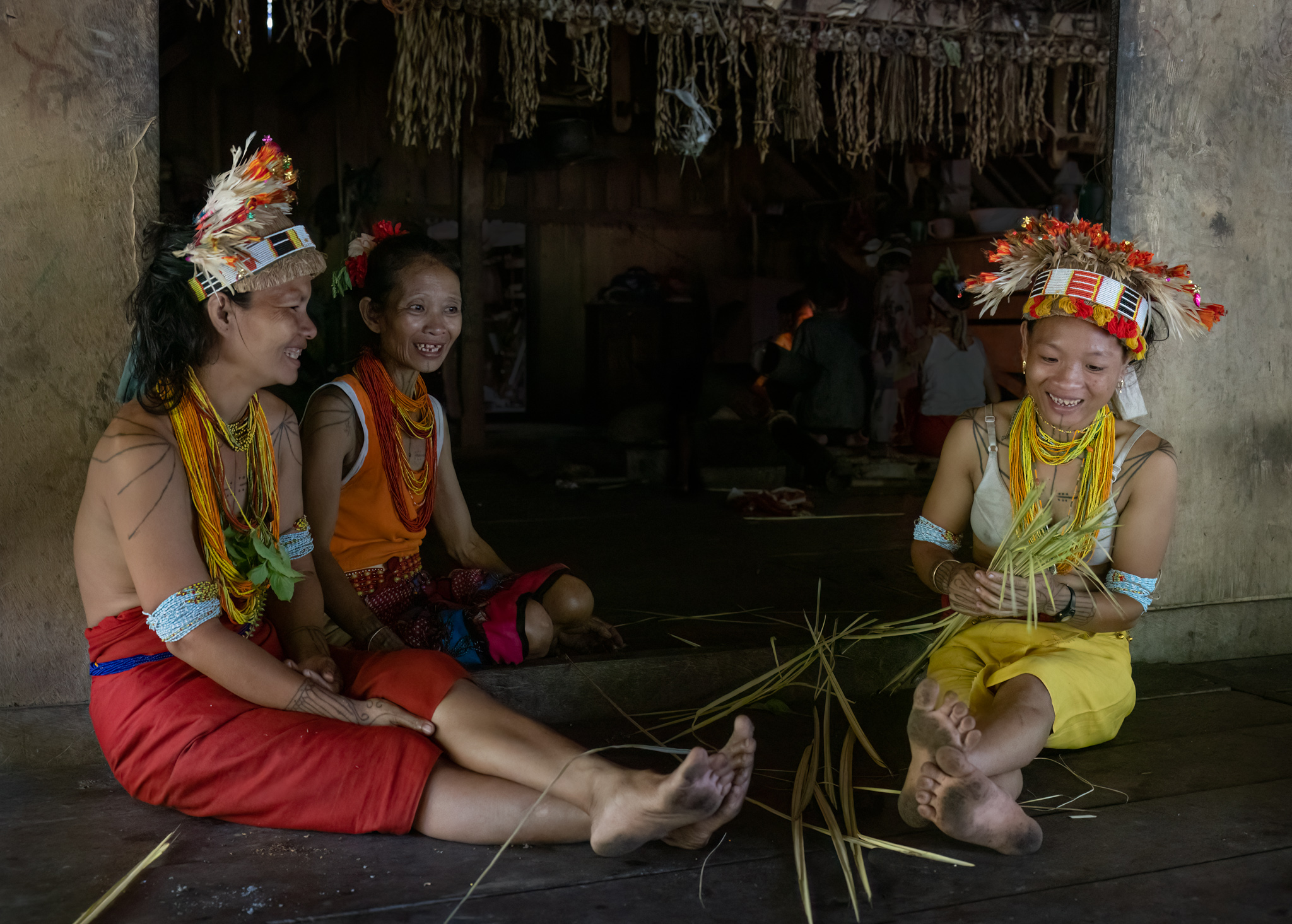
For Mentawai women, ceremonial adornment expresses beauty, reverence, and belonging. Skirts are secured with beaded belts set with tiny brass bells, while necklaces and rattan armbands of colorful beads are layered across the chest and arms. Flowers tucked into the hair add fragrance and freshness.
 
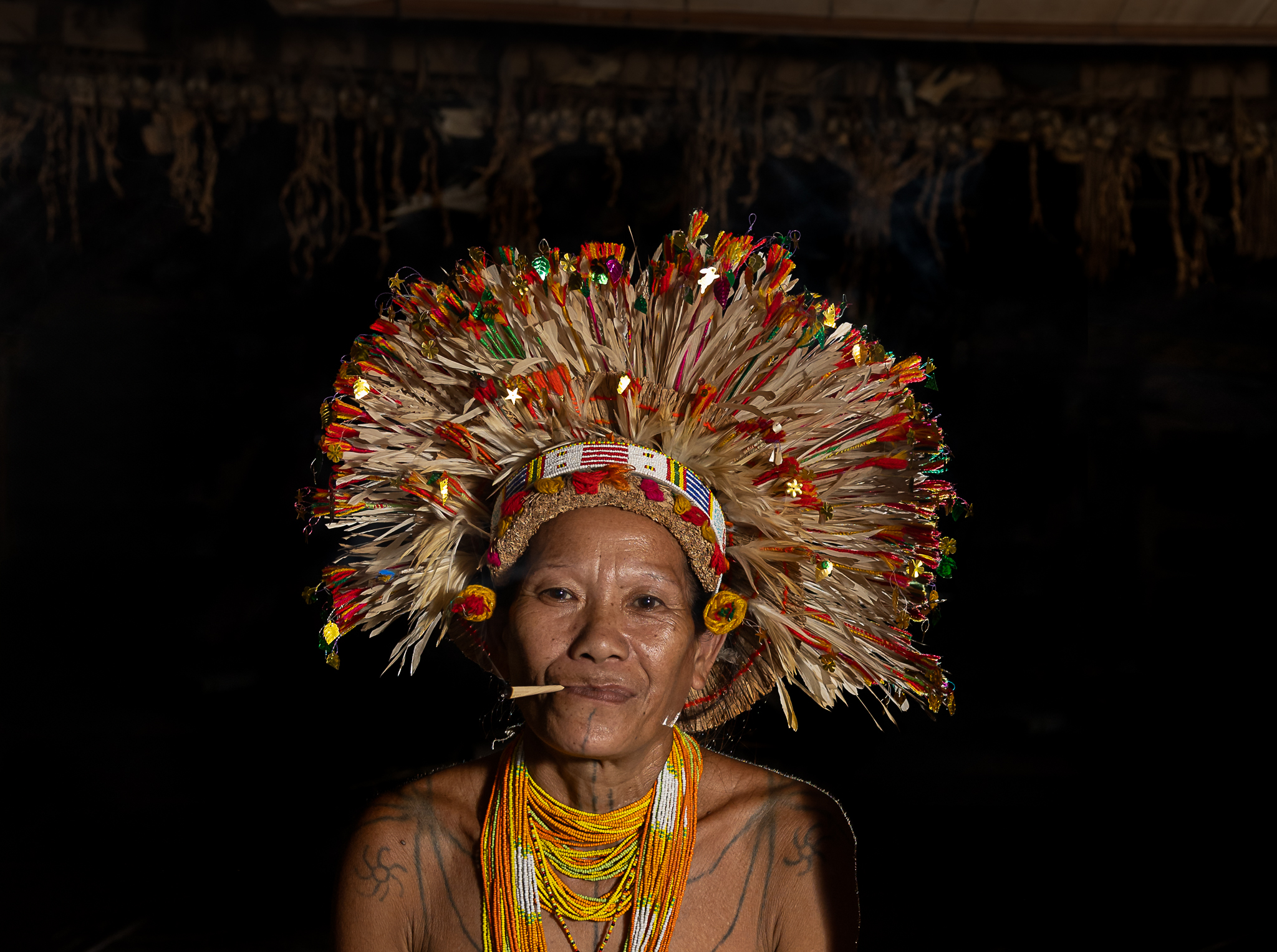
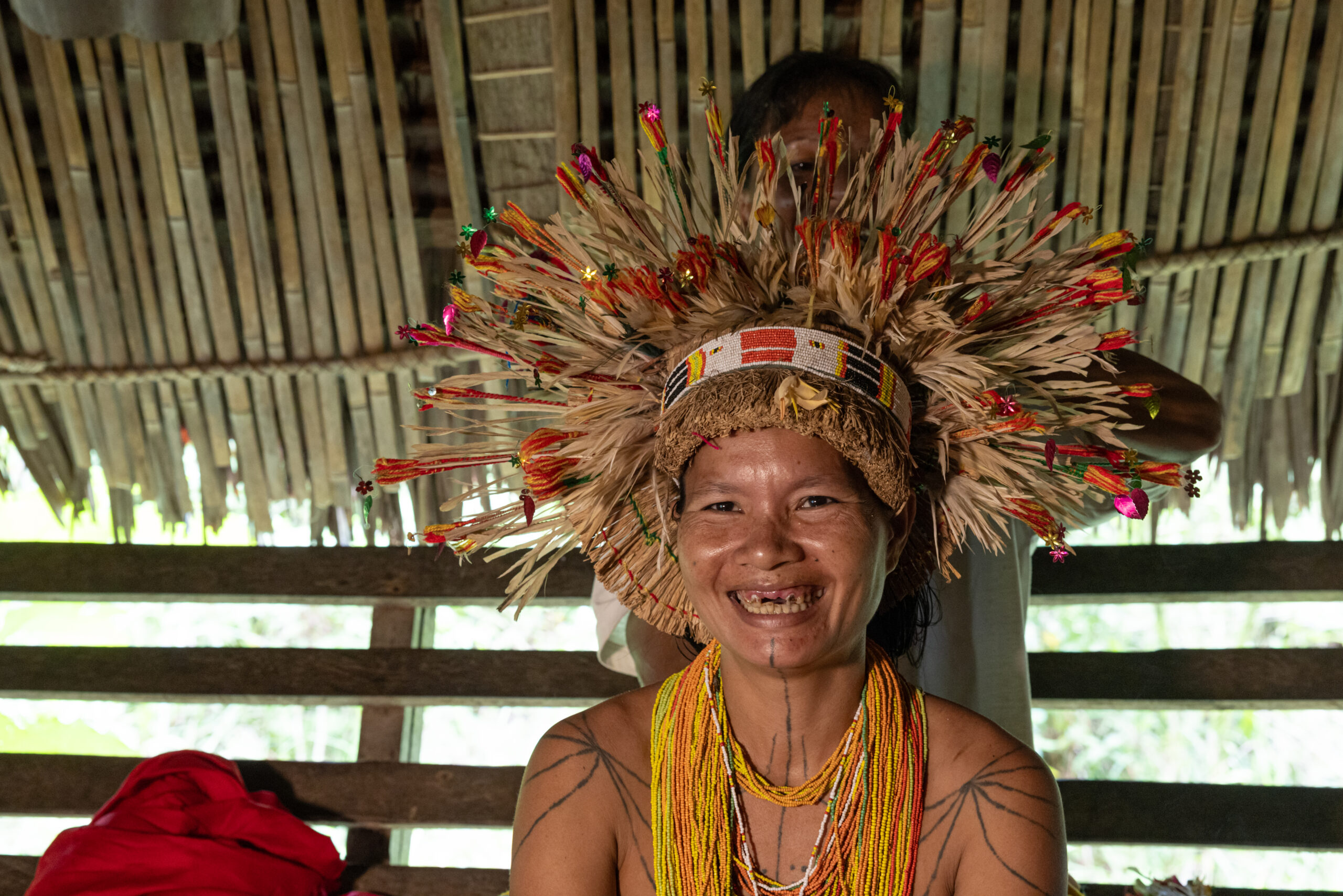
Tattoos on the upper body, arms, and legs are displayed proudly during ceremonies. In major rituals, wives of kerei wear the teteku: a leafy headdress decorated with feathers, beads, mother-of-pearl, and flowers. Some also wear the sinaibak, a colorful striped skirt reserved for ceremonial occasions.
 
Adornment becomes an offering of presence — a gesture of respect, vitality, and connection to both the human and unseen worlds.
Mentawai woman with teteku head decoration
Bai Nokkok with her teteku head decoration, only worn by the wives of shamans

Craftsmanship and Continuity

Craftsmanship is communal and intergenerational. Skills, tools, and materials are shared across families.
Whether weaving baskets, shaping bark cloth, carving an abak, or preparing ceremonial attire, Mentawai craftsmanship reflects a deep relationship with the forest — a material world animated by souls, shaped by skilled hands, and woven into the rhythms of everyday life.
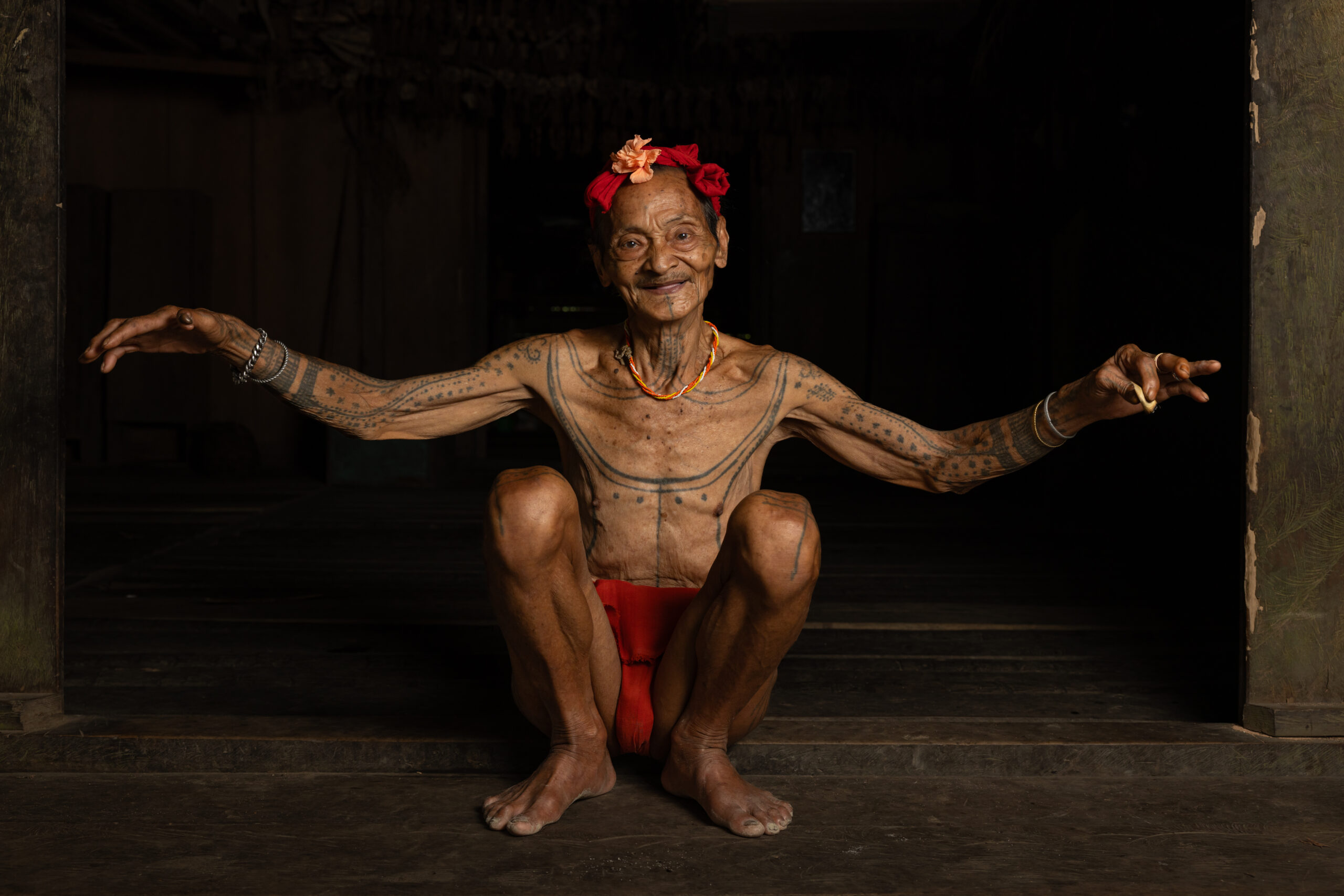
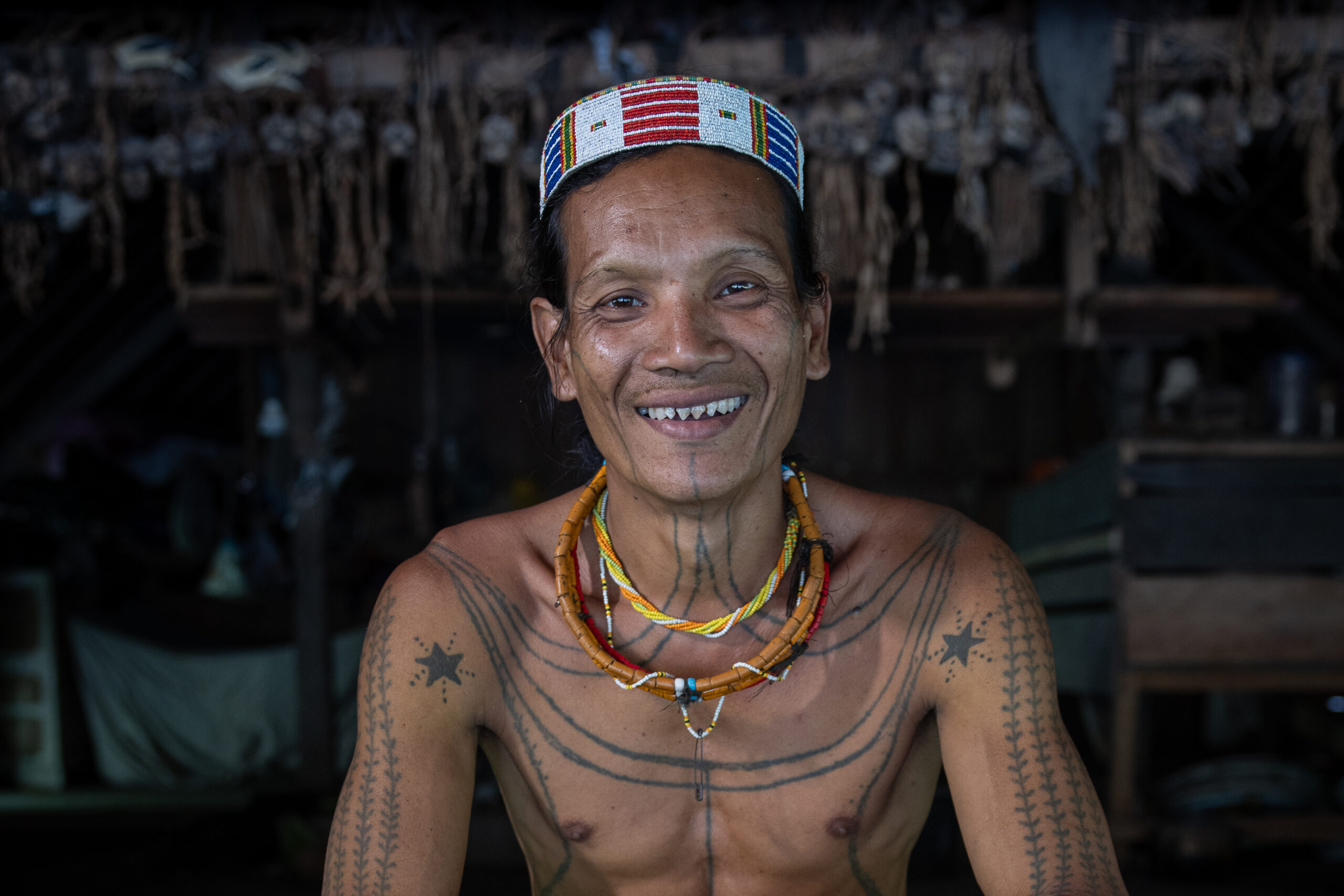
Mentawai shaman with tattoos
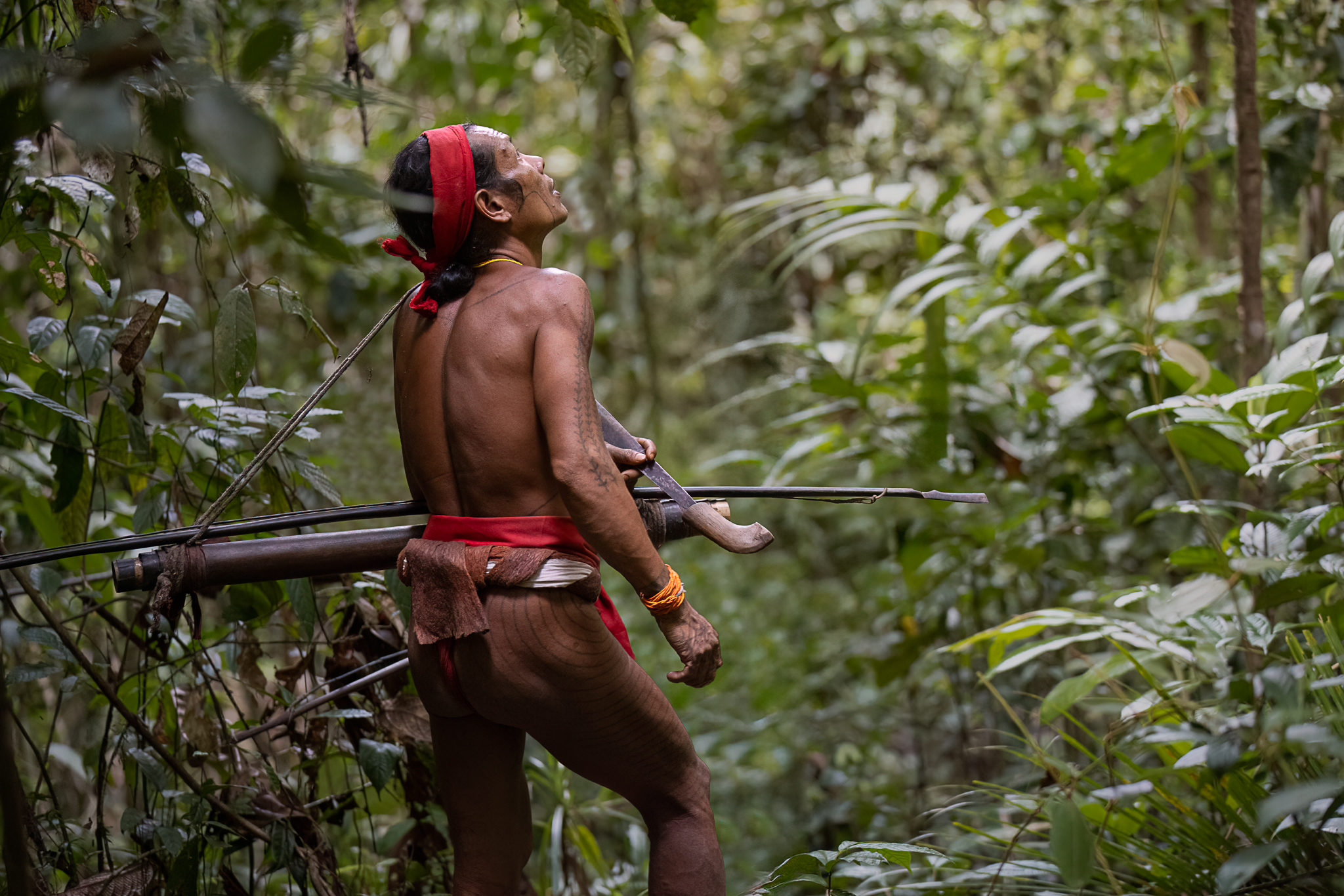
A Mentawai shaman from the Satepuk clan in west Siberut, showing off his tattoos

Tattoos (titi) — Identity, Balance & Beauty

Ink of the Forest — From Dots to Lines
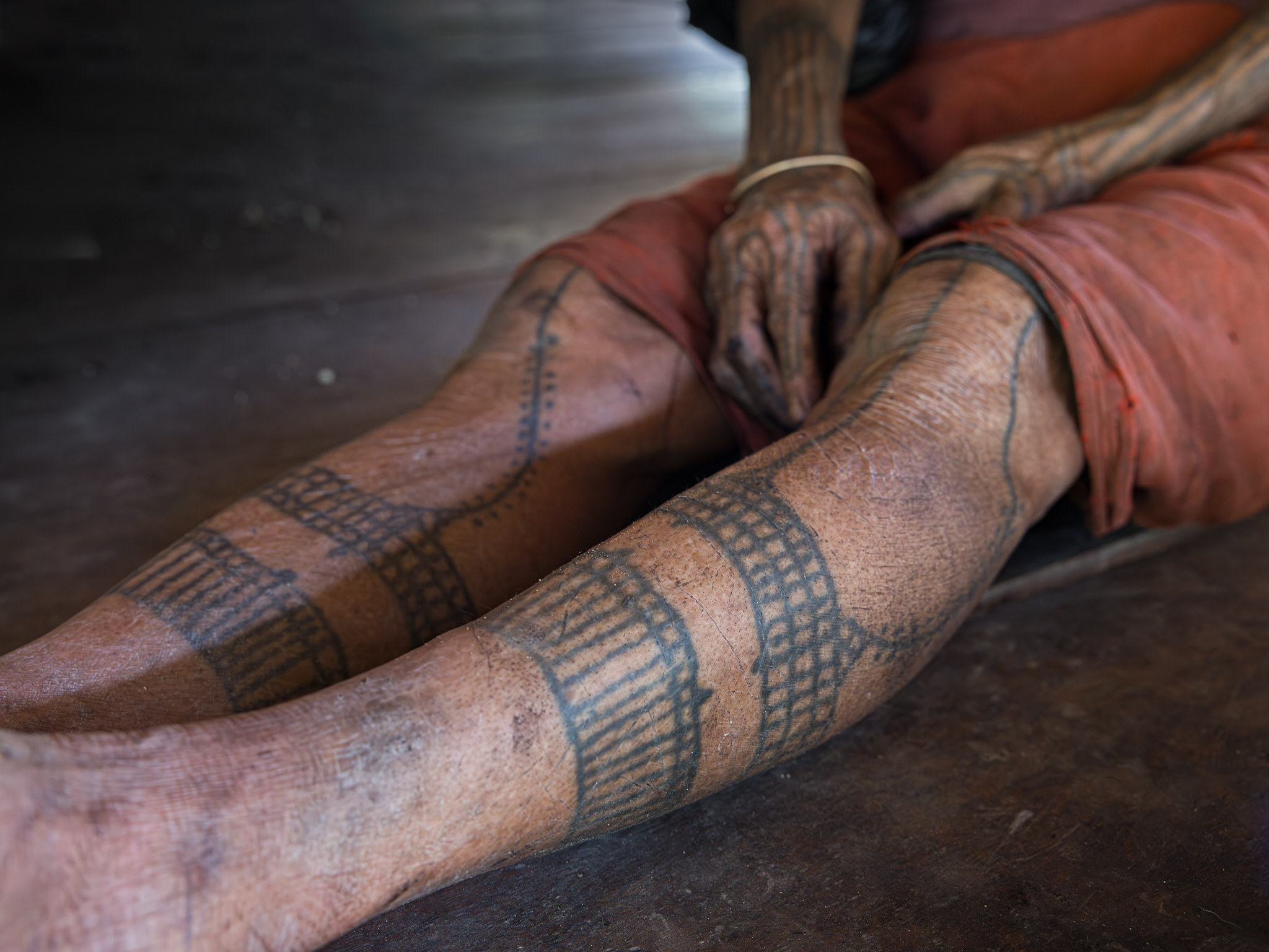
Tattoos, known as titi, are a living language of identity, spirituality, and belonging. Among the oldest continuous tattoo traditions in the world, titi express a person’s relationship with the forest, their community, and the unseen forces that shape life.
 
Each motif carries meaning. Lines along the arms, inspired by rattan, represent resilience and capability. Patterns on the upper legs echo the form of sago palm leaves, speaking of balance and groundedness. Chest motifs symbolize protective necklaces — ngalou — worn not on a string but permanently on the skin as talismans for the soul.
 
Traditionally, men receive tattoos on the arms, chest, and thighs; women do not. This distinction reflects differing roles, aesthetics, and forms of spiritual protection within Mentawai society. Titi are not ornaments but safeguards, ensuring recognition by ancestors in the afterlife and helping keep the soul closely aligned with the body.
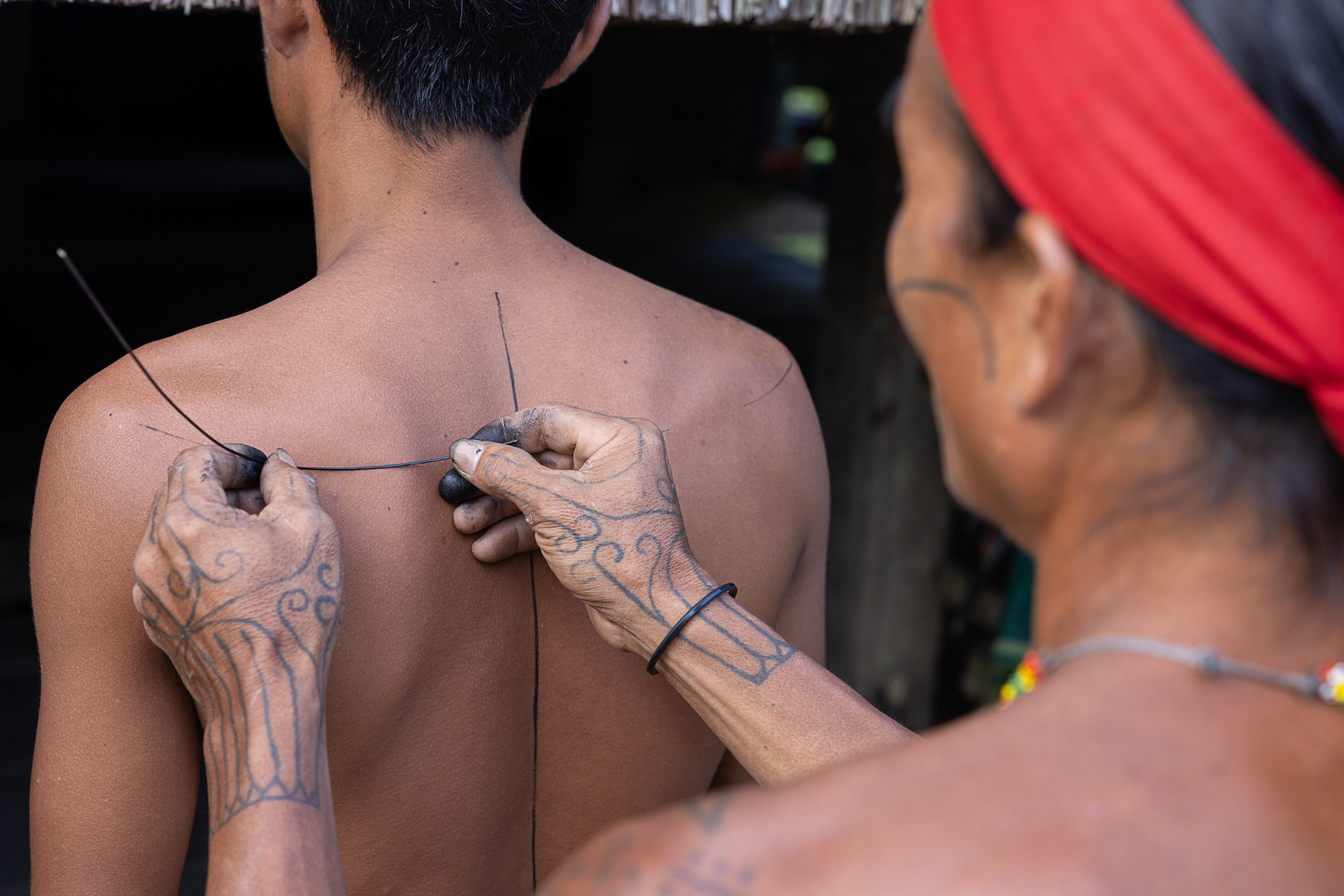
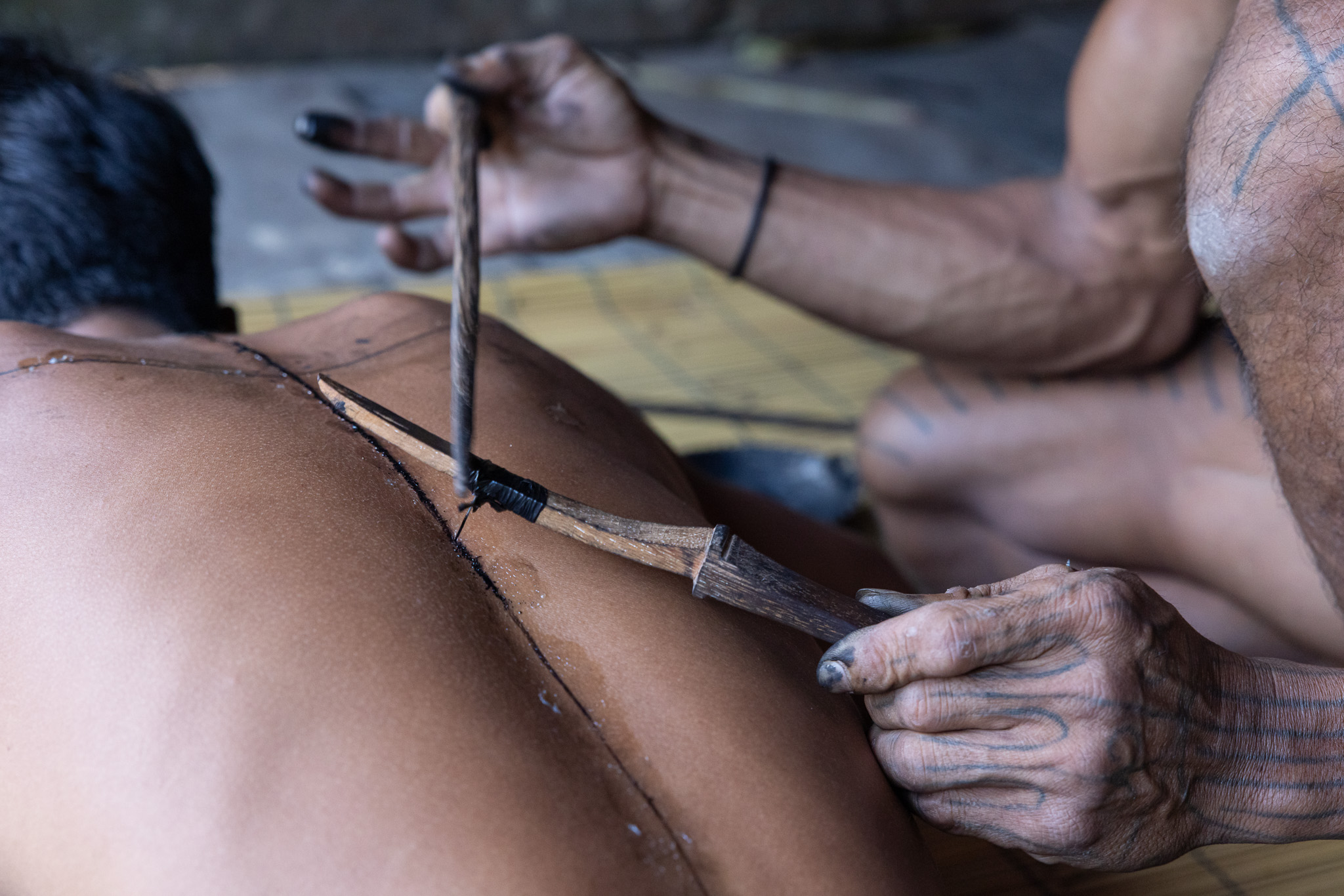
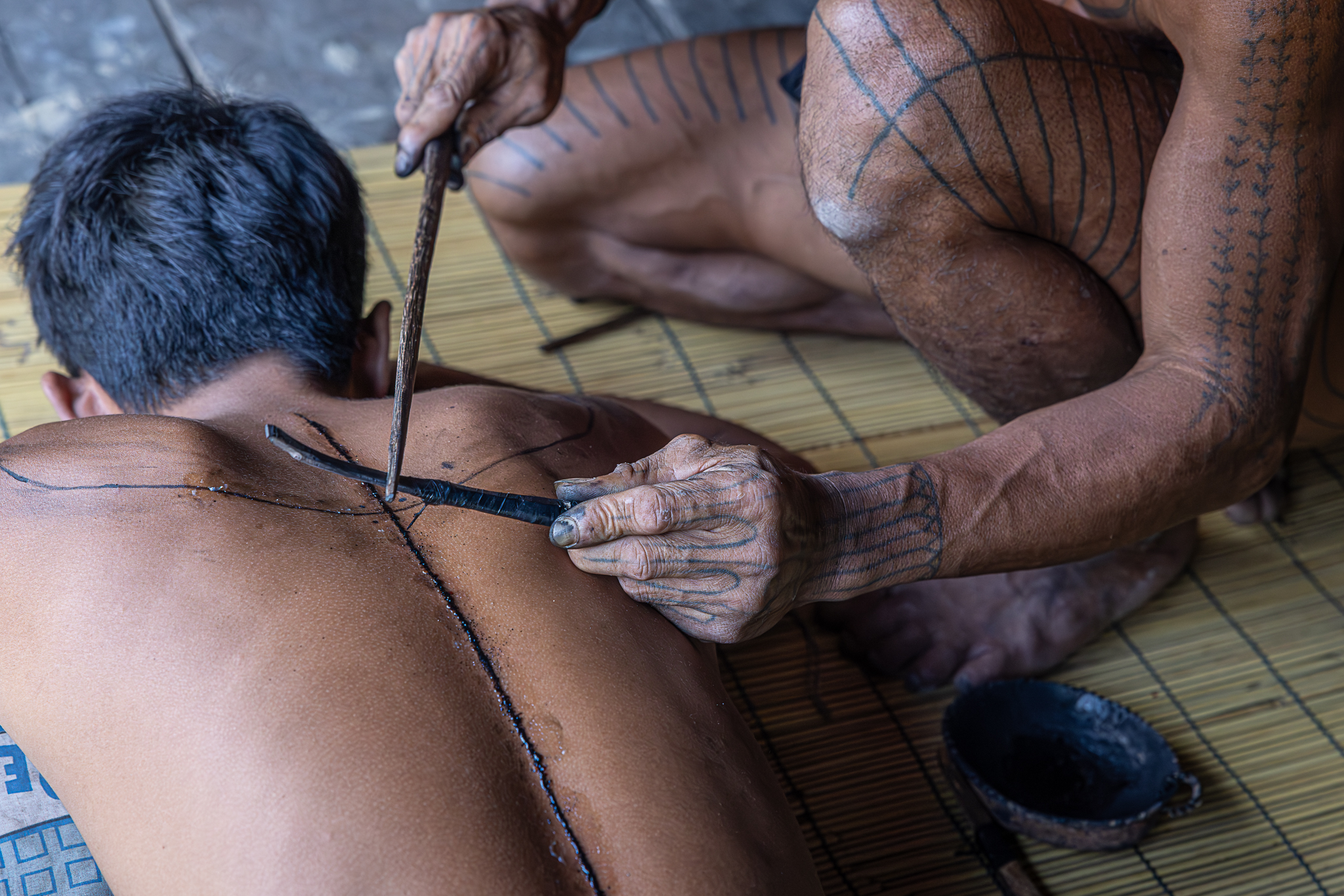
The tattooing process is slow and deliberate. Before tapping begins, the design is drawn directly onto the skin. Thin strips of soaked rattan, used like stamps, leave smooth guiding lines that mark the placement of each motif. Once the layout is set, the tattoo master works with a sharp thorn or needle fastened to a small wooden stick.
 
The ink — soot mixed with sugarcane juice — produces the deep black characteristic of titi. With steady, rhythmic tapping, the needle is struck with a second stick, embedding pigment into the skin and building the bold, even lines that define the Mentawai style.
 
Tattooing unfolds gradually, often over many sessions, sometimes over months or years. It commonly begins in adolescence and continues through adulthood, marking key stages of identity, skill, and spiritual readiness.
 
More than art, titi are a map of personhood — a visible affirmation of balance, connection, and belonging within a world where body and soul must remain in harmony.

Sarepak Abak

Lines of Balance — Connecting Worlds
The first and most important tattoo a Mentawai receives is the sarepak abak — a sacred mark that lays the foundation for all tattoos that follow. It embodies balance: between humans and animals, between the physical and spiritual realms, between the individual and the wider world.
 
A horizontal line stretches across the shoulders. The left side represents the human realm; the right symbolizes the animal realm. For harmony to exist, the line must be perfectly level — a reminder that life depends on maintaining balance between the two.
 
Crossing the spine runs a vertical line, the tree of life. It links the sky above with the earth below, marking the body as a meeting point between cosmological realms.
 
Unlike the many decorative or identity-based titi applied later, the sarepak abak carries a singular meaning. It is not adornment, but essence — an anchor of spiritual equilibrium and a declaration that the person is ready to begin the lifelong journey of tattooing.
 
In this way, the sarepak abak stands as the core of Mentawai tattooing: a pair of simple lines that hold within them the balance of worlds.
Mentawai Sarepak Abak tattoo
The first tattoo for a Mentawai man is usually on the back, called sarepak abak

Tooth Sharpening (pasipiat sot) — Beauty, Maturity & Cultural Identity

Sharpened Teeth

Marks of Beauty, Shaped with Pain​
Among the Mentawai, ideals of beauty have long been tied to balance, identity, and belonging. One of the most striking expressions of this was pasipiat sot — the sharpening of the upper, and sometimes lower, front teeth into elegant, pointed forms. For women in particular, sharpened teeth were considered a mark of refinement. A smile edged like a shark’s tooth distinguished a Mentawai woman from outsiders and affirmed her place within the cultural world of her ancestors.
 
The procedure was an act of transformation. An elder or ritual specialist shaped the teeth using a small chisel or the sharpened tip of a machete, tapping it with a wooden mallet. With no anesthetic to dull the sensation, each tooth was chipped little by little. Pain and blood were inevitable, but endurance was part of the rite — a sign of maturity, discipline, and readiness to embody the aesthetics of adulthood.
 
Though the practice has become rare today, many older Mentawai women still carry these marks, their smiles bearing the legacy of a tradition once celebrated as the height of beauty.
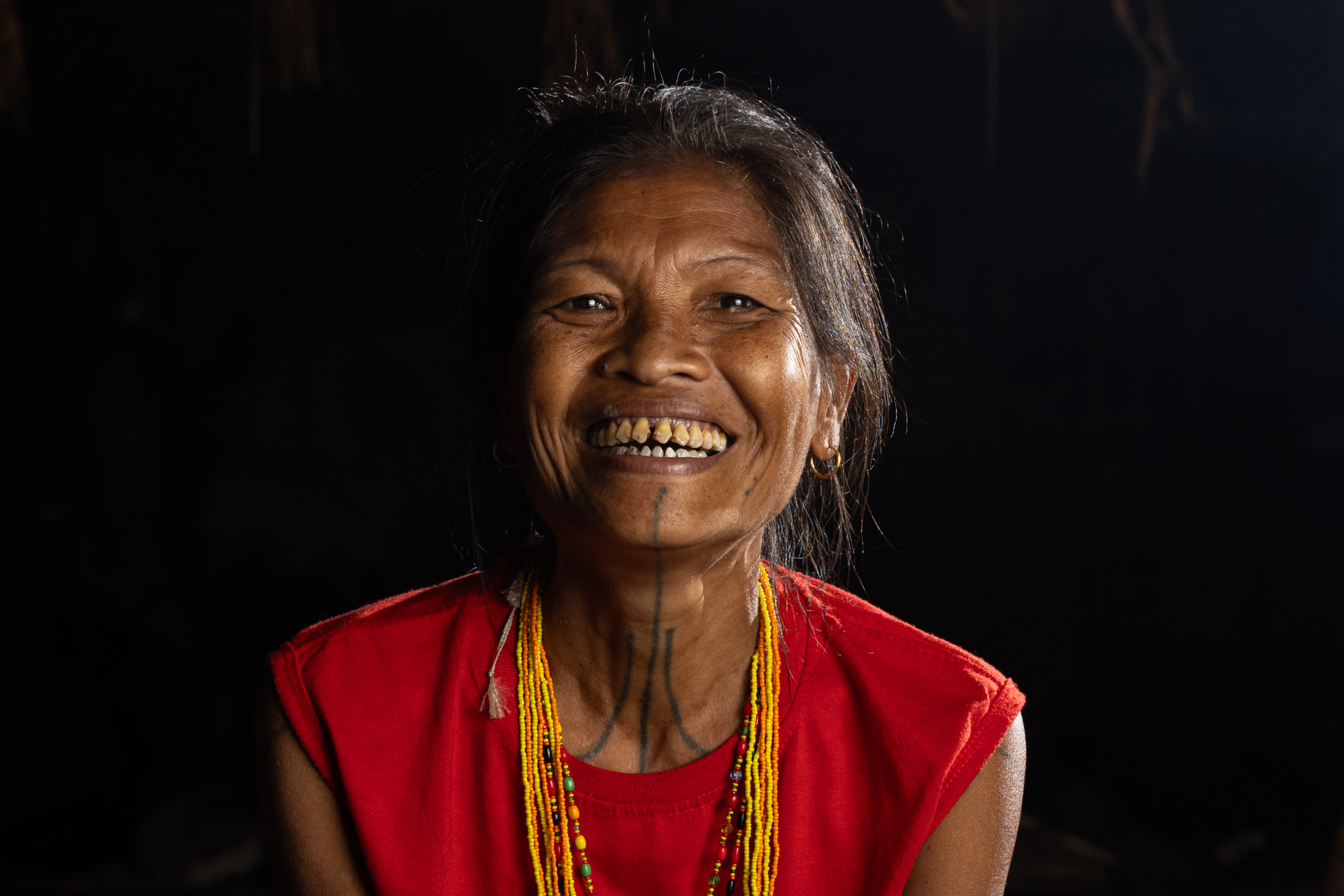
Mentawai women with sharpened teeth
Bai Jalamati
Mentawai shaman with sharpened teeth
Aman Manja - sometimes men also have their teeth sharpened

The Legacy of Sharpened Teeth

Embodied Ideals, Lasting Consequences
Like tattoos, sharpened teeth were a way of inscribing cultural values directly onto the body. Yet pasipiat sot also brought challenges that tended to emerge only in later life. The reshaped teeth, with their exposed surfaces and altered structure, were more vulnerable to wear, sensitivity, and decay. In the humid forest environment — where modern dental care is limited — gums could gradually weaken, becoming prone to swelling and bleeding.
 
What began as an expression of beauty and belonging sometimes brought discomfort in old age. Still, for those who underwent it, pasipiat sot remains remembered not with regret but with pride: a visible declaration of identity, a testament to endurance, and a smile shaped by cultural meaning.
Mentawai woman with teteku head decoration
Sharpened teeth are more vulnerable to wear and decay

Uma

House, Community, and Cosmological Center
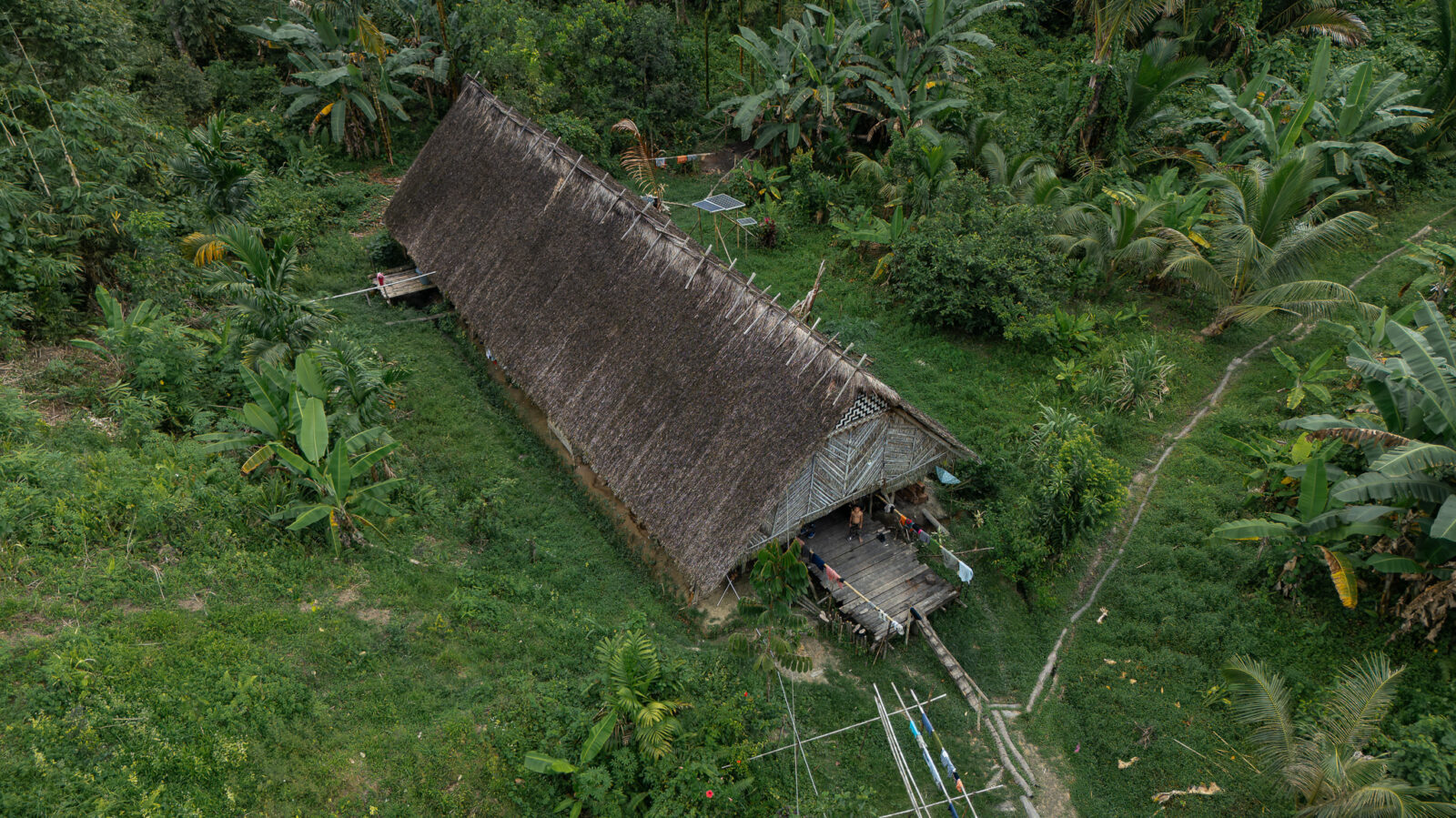
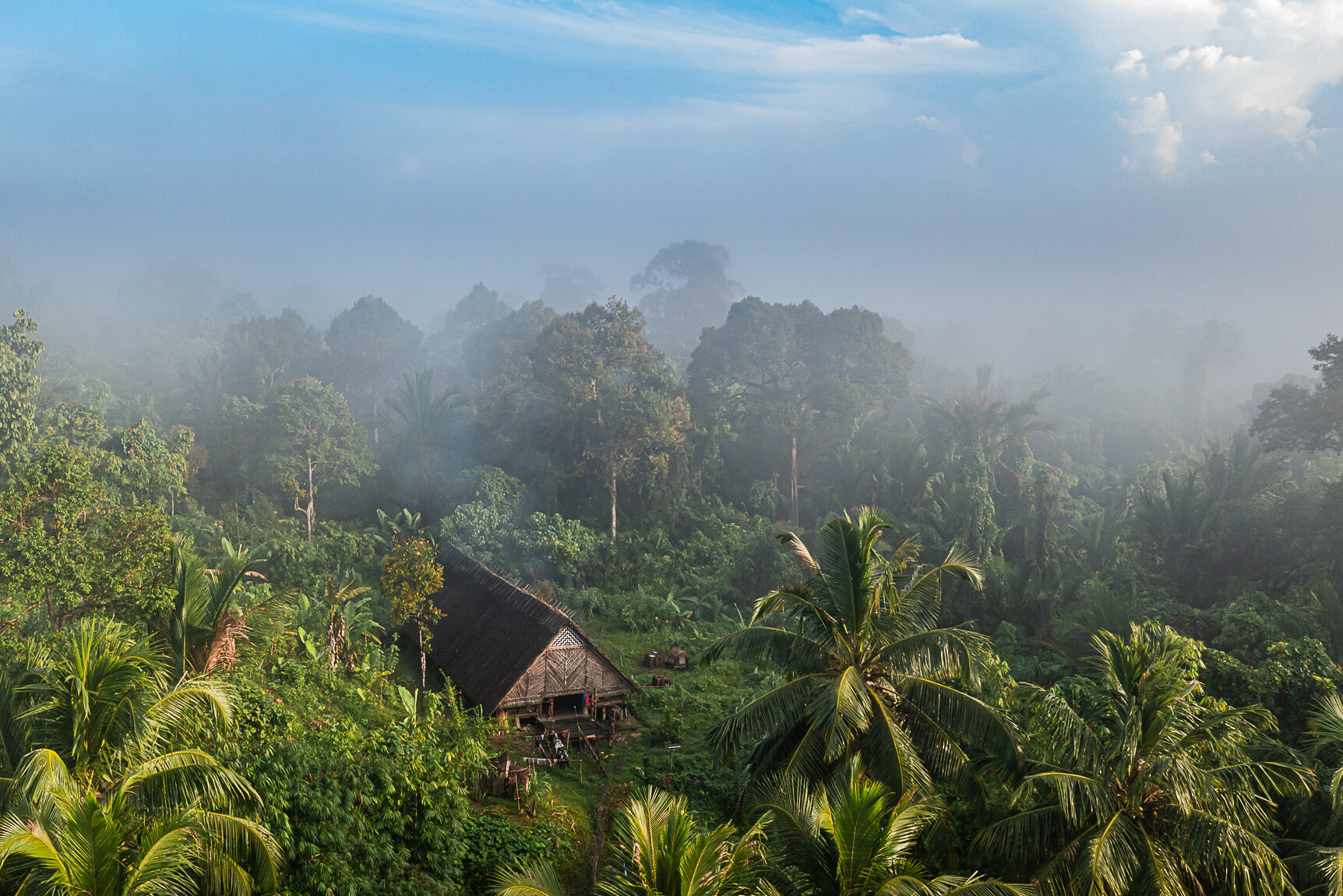
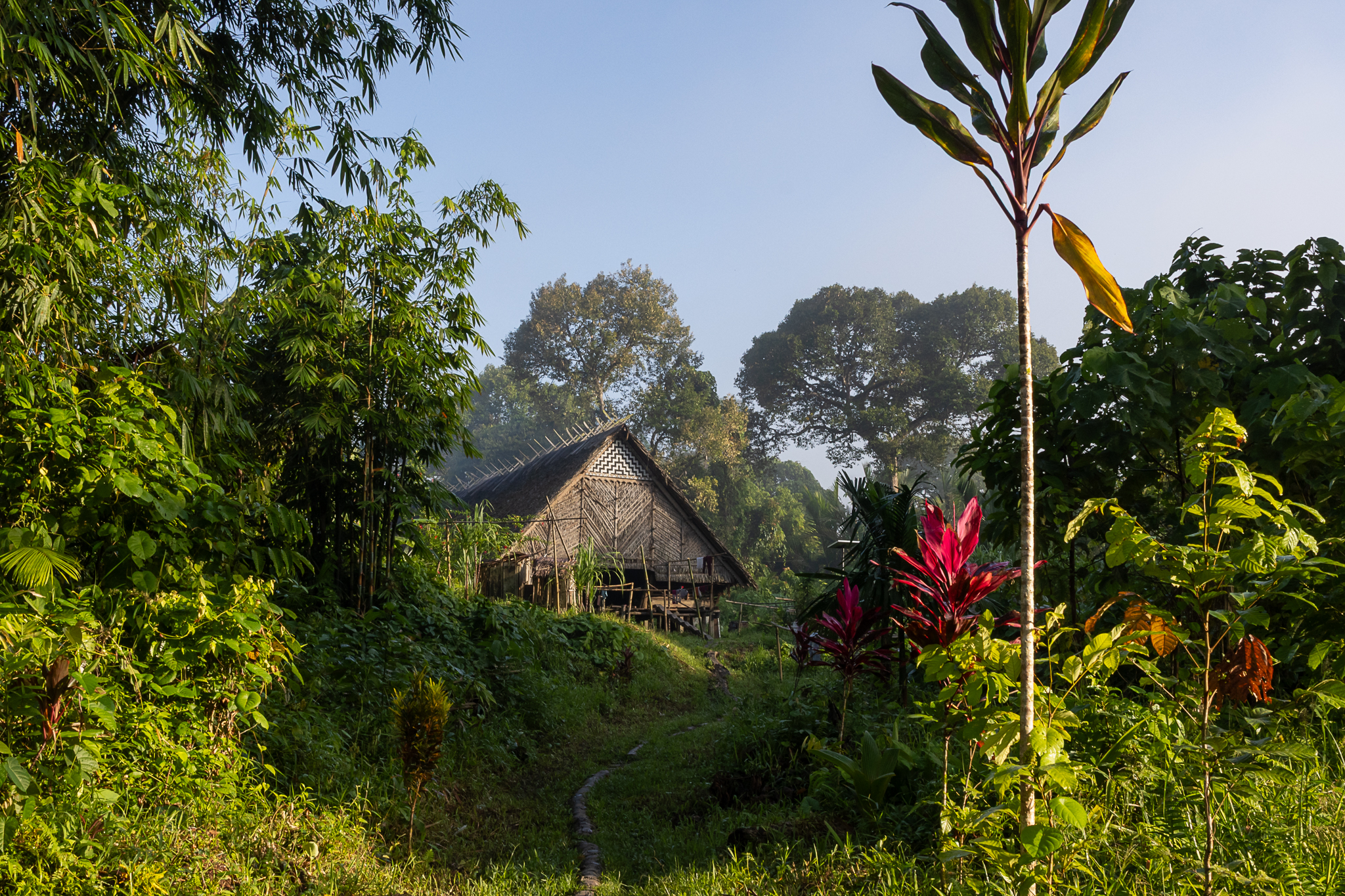
The uma is the architectural, social, and spiritual heart of Mentawai life. More than a dwelling, it is a small village under a single roof — a place where families gather, where ancestors visit, where spirits dwell, and where the relationships between humans and the unseen world are continuously renewed.

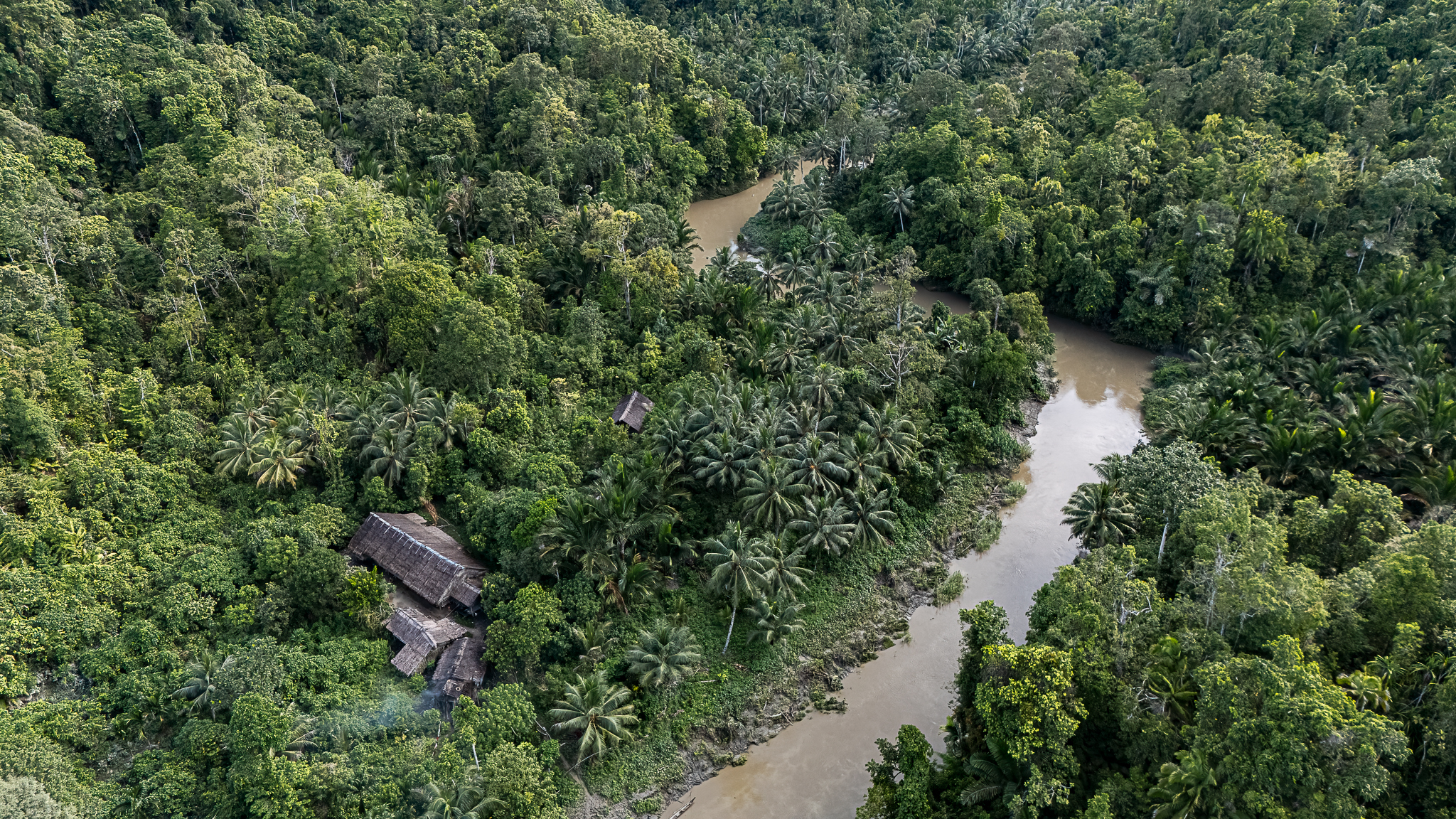
Traditional Mentawai communities do not live in villages. Instead, they live in uma — large communal longhouses where several patrilineally related families reside. Both the building and the collective of families living within it are called uma. An uma may house up to ten related households, all cooperating and sharing responsibilities in daily life.
Mentawai traditional house, called uma
Uma, the traditional Mentawai clan house
Traditional Mentawai house, called uma
A traditional uma
Clusters of uma are built along riverbanks, sometimes far into the interior where rivers narrow into small creeks. Members of the same clan typically build their uma in the same area, with each house separated by several hundred meters. Different clusters are usually a few kilometers apart. This spacing reflects both social organization and ecological considerations, ensuring access to land, water, and forest resources.
 
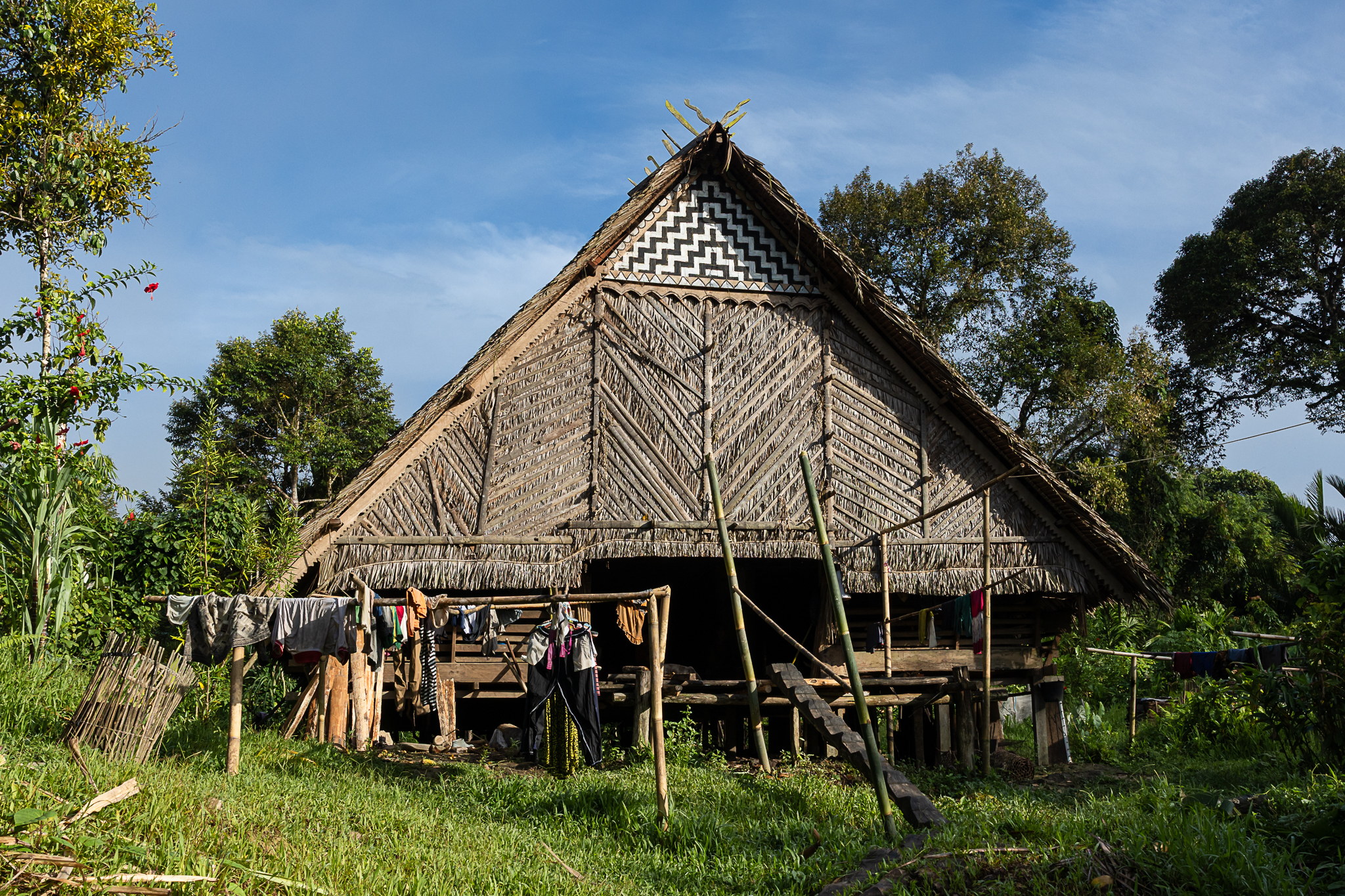
A traditional uma is between 20–30 meters long, 6–10 meters wide, and around 5 meters high. Built on stilts, it sits about a meter above the ground. The steep roof, made from palm leaves, reaches almost to the floor, offering protection from wind and rain. When well maintained, an uma can last up to 50 years, though modern examples often age more quickly.
 
The placement of each uma is deliberate. Situated near water, surrounded by garden land and forest, it stands within the clan’s leppet, or territory. This land includes gardens, sago groves, hunting grounds, and sections of river — resources shared and managed collectively by clan members. Movement within the leppet — tending gardens, checking traps, visiting relatives, collecting sago — forms the daily rhythm of life.

Veranda — Threshold and Meeting Place

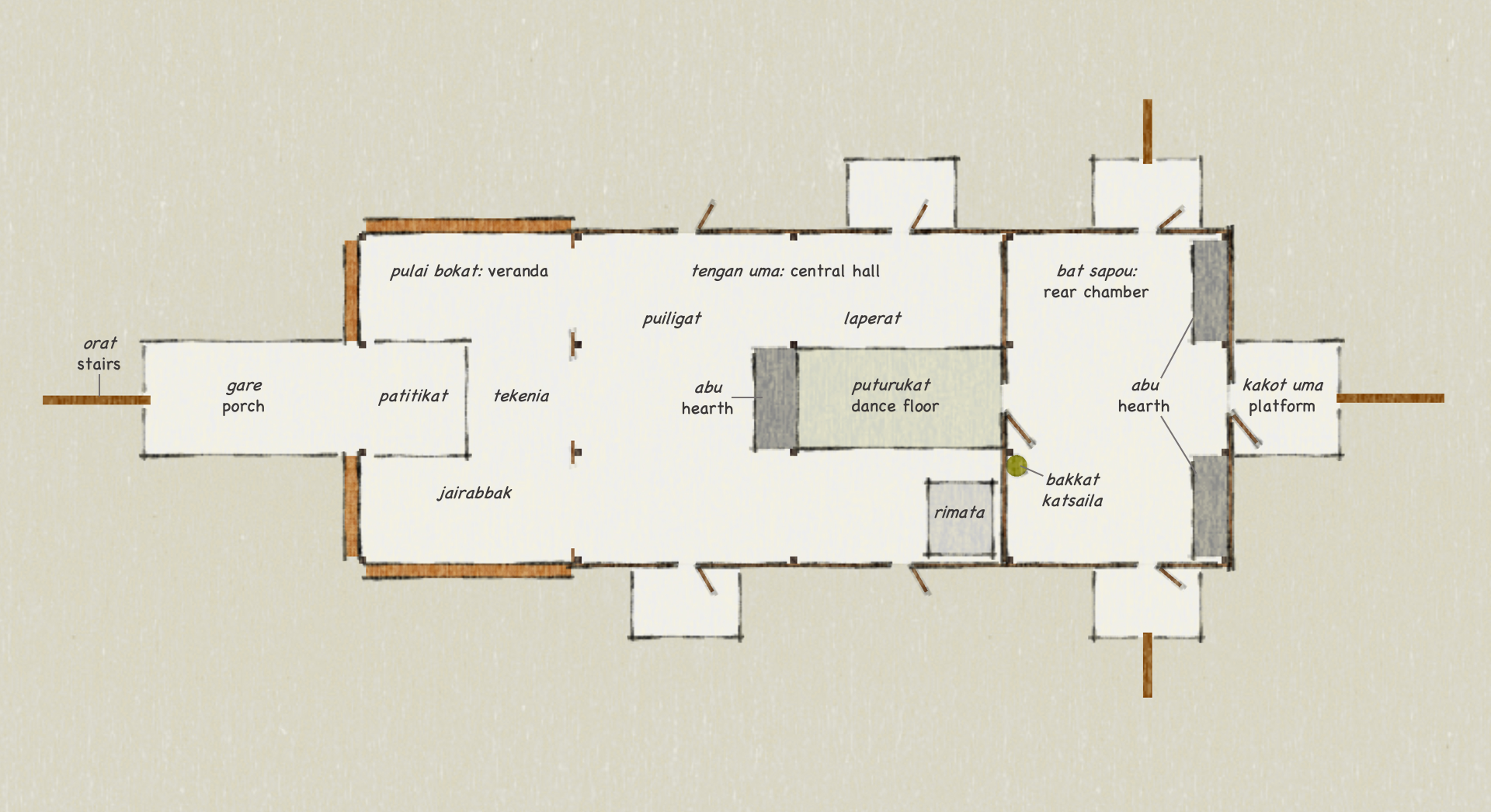
Access to the uma is via a carved tree-trunk staircase leading to a raised open platform and into the roofed veranda. The entrance is purposely low, requiring people to bow slightly — a quiet gesture of respect as they enter the communal world.

 
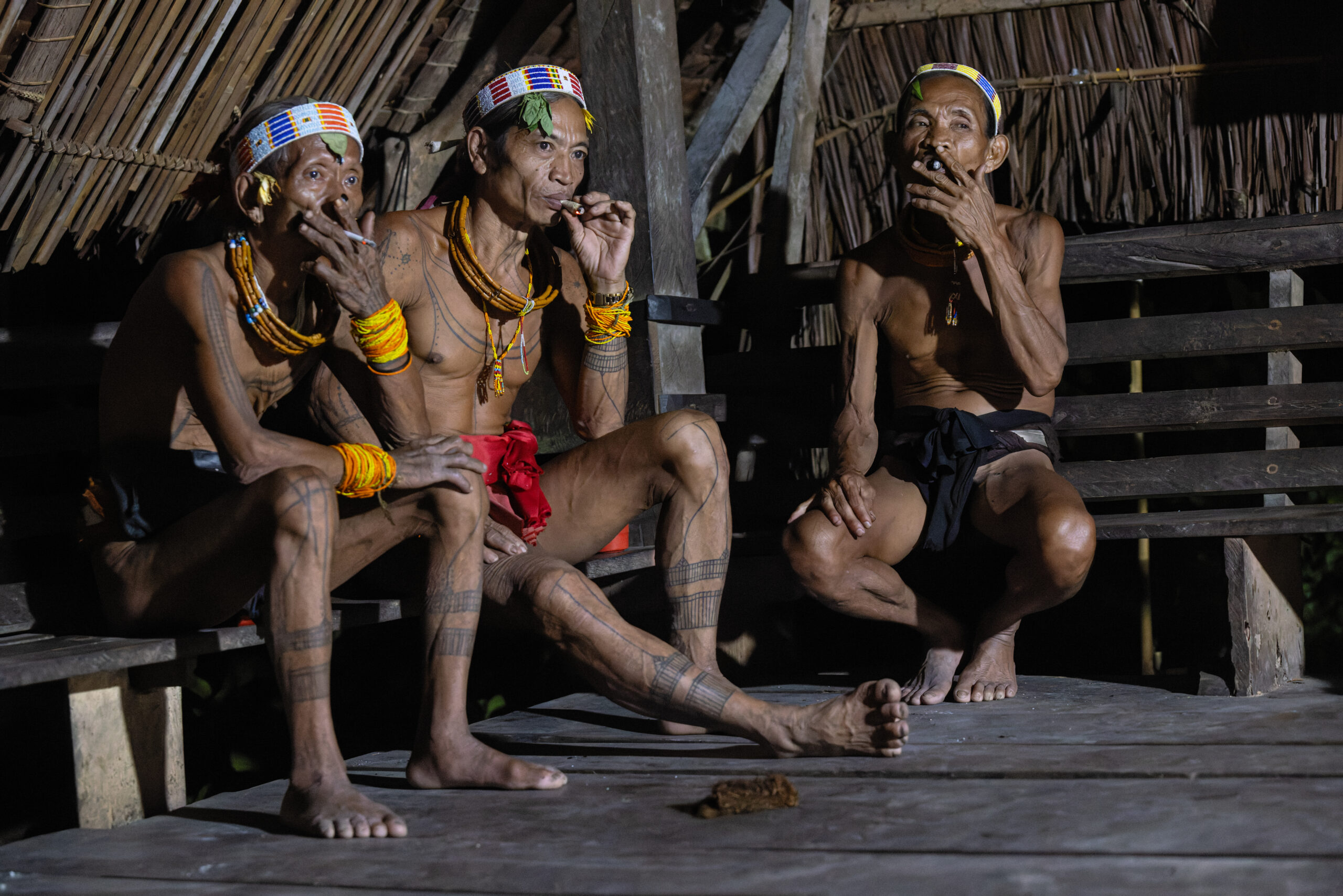
Long benches line the open sides. Here, family members and guests sit, talk, weave, rest, or watch daily life unfold. At night, men and visitors often sleep on the veranda, drawn by the airflow and view toward the river.
 
This space is both threshold and meeting ground. Guests are welcomed here, men gather for discussions, and the first steps of ceremonies often begin in this open, transitional zone. The veranda connects domestic life with the wider landscape — a gentle opening between forest, river, and the life of the house.
Mentawai Shamans enjoying a smoke on the veranda of the uma

Central Hall — The Pulse of Life and Ceremony

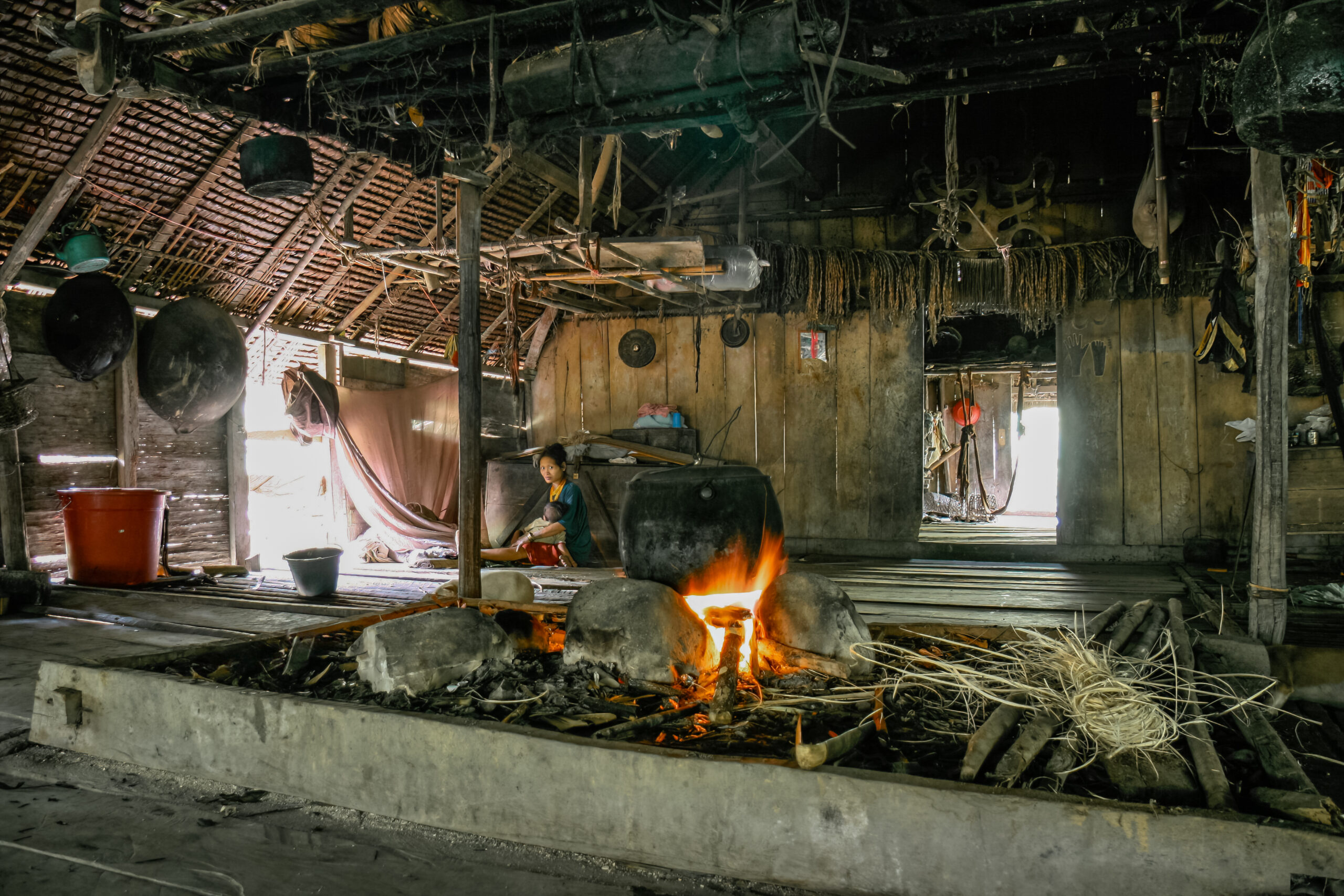
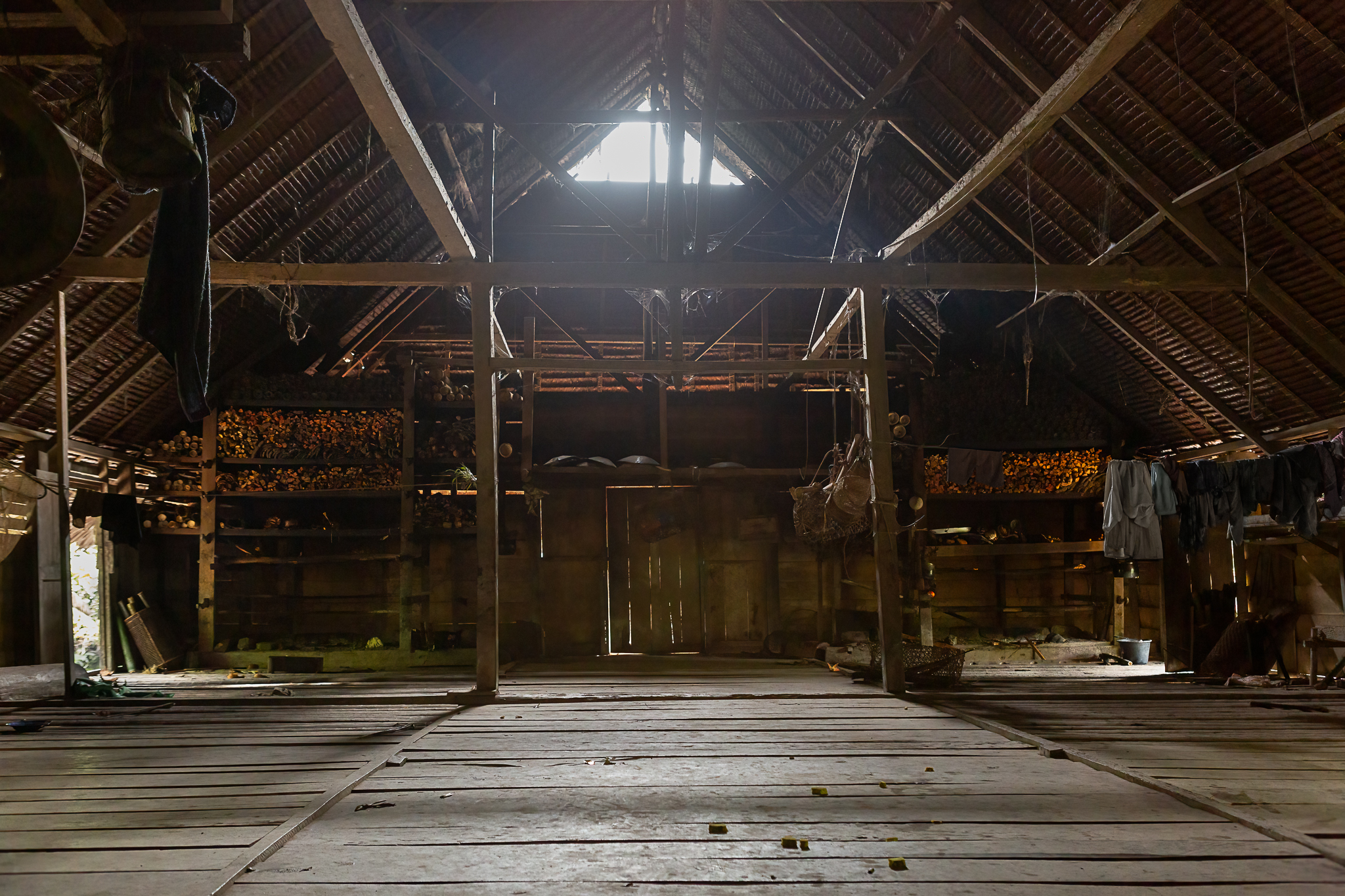
Three large doorways lead from the veranda into the central hall, the beating heart of the uma. These doors can be closed with heavy hanging panels, but this happens only when the entire community leaves the house for several days, such as when attending ceremonies in a distant uma.
 
A large fireplace sits at the center of the hall, used for daily cooking, heating water, and preparing sacrificial pigs and chickens during rituals. Around this hearth, daily life unfolds: meals are prepared, food is shared, stories are told, and community decisions are made.
 
Men, older boys, and guests sleep along the walls, laying out mats at night and storing them away during the day. During rituals, the central hall transforms. The open floor between the fireplace and the back wall becomes a ceremonial ground where kerei dance, chant, and communicate with the unseen world.
 
Here, under the high thatched roof, the everyday and sacred are woven together. The hall is a living stage where community, ancestors, and spirits meet.
The central hall, the first inner chamber of an uma

Rear Chamber — Sanctuary of the Uma

A single door leads from the central hall into the rear chamber, the most sacred space of the uma. Traditionally, a jaraik — a carved wooden figure crowned with a monkey skull — was mounted above the entrance. It guards both this inner room and the community’s primary shrine: the bakkat katsaila.
 
The bakkat katsaila is a sacred basket filled with ritually important leaves and fixed to the uma’s central inner post. It embodies the link between physical and spiritual realms; it is the house’s guardian and mediator, drawing in beneficial forces and keeping harmful ones at bay.
 
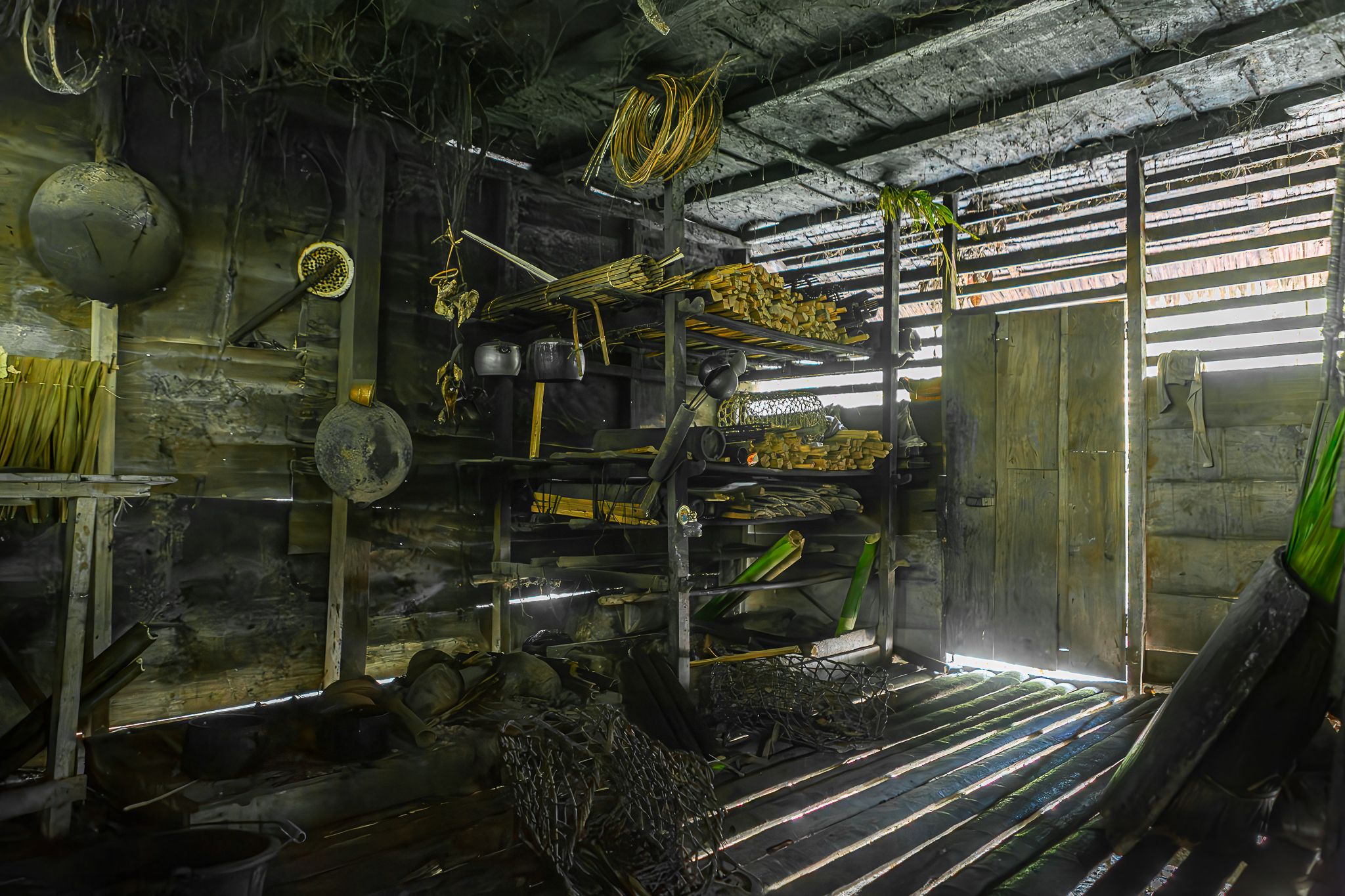
Along the back wall are two large hearths used for daily cooking. Above them hang storage racks packed with bamboo tubes, firewood, and bamboo containers of smoked meat. Women and young children sleep along the side walls, close to the warmth of the hearths.
 
This chamber is the ritual core of the household. Here the beginning and end of ceremonies are announced to the unseen world, blessings are prepared, and ancestors are invoked. The space is intimate and powerful — a place where the boundaries between worlds lie closest.
 
Small doors at the back and sides open onto narrow platforms used for washing dishes, performing household tasks, and feeding the semi-domesticated pigs kept beneath the uma.
The rear chamber of a Mentawai uma
The rear chamber of a Mentawai uma, with two hearths against the back wall
A hearth in the Mentawai uma
A hearth in the rear chamber of the uma

Community Life Under One Roof

The uma is a small, cooperative community built on solidarity. There is no formal leader; guidance comes from elders, and decisions are made collectively in communal meetings. Equality between men and women is central, and every household is, in principle, self-sufficient — though in practice, most tasks are undertaken together.
 
A single family is too limited to manage daily life alone. Heavy work requires assistance; sickness or the death of a parent demands communal support. Children are raised not just by their parents but by all adults in the uma.
 
Sons inherit their parents’ property, while married daughters join the uma of their husbands. Until a young woman marries, her brothers are responsible for her wellbeing.
 
For the Mentawai, it is the uma — not the nuclear family — that forms the true social unit. Daily life, ritual life, and the practical necessities of forest living all depend on the shared strength of the community beneath this single, sprawling roof.

Paths of Life - Living Arteries

Trails, Rivers & Movement Through the Forest​
For the Mentawai, movement follows the contours of forest and river. The waterways are their highways — broad, winding channels navigated in dugout canoes carved from single massive trees. These vessels carry families to visit relatives, harvest sago, reach gardens, attend ceremonies, and transport goods between distant uma.
 
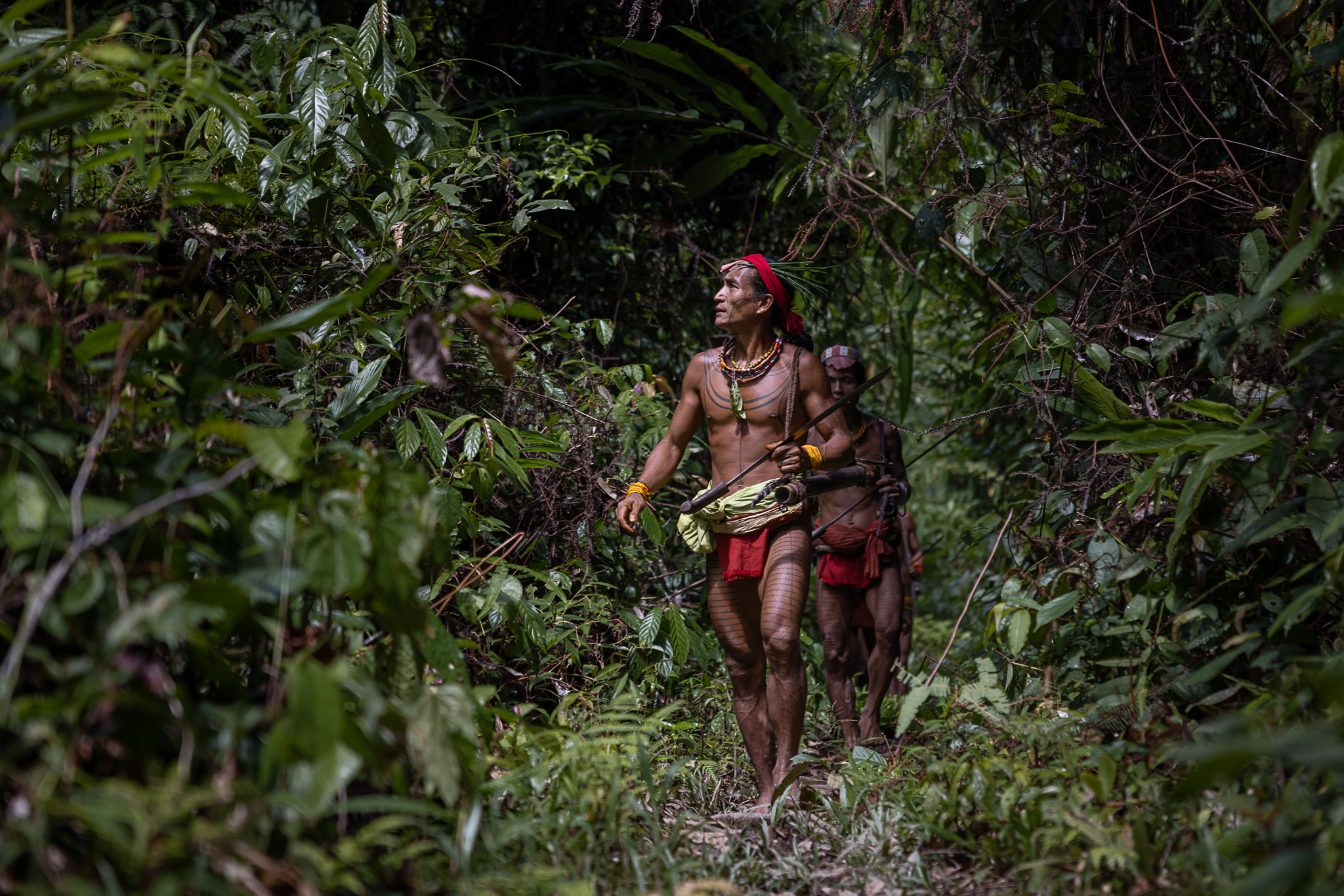
On land, narrow footpaths thread through the forest, linking gardens, hunting grounds, and settlements. These trails cut across ridges, weave along streambeds, and slip beneath towering canopies. Walked daily, often barefoot, they are memorized through a lifetime of repetition — every bend, root, and fallen log known by heart.
 
This knowledge is not merely practical. Trails and rivers are understood as shared spaces inhabited by spirits as well as humans. Travelers move with awareness, acknowledging the unseen beings who dwell in stones, trees, and water.
 
Together, rivers and forest paths form the living infrastructure of Mentawai society. They are not only routes of travel but pathways of relationship — connecting people to their kin, their food, their ceremonies, and the forest world that sustains them.
Small paths through the rainforest connect uma, rivers, forest and plantations
Bai Tarik collecting palm leaves, using a little creek as trail

Iron Tools

From Stone to Steel — Transforming Work and Craft
For most of their history, the Mentawai shaped their world with stone. Early communities used axes, adzes, and blades crafted from stone — tools suited to felling small trees, carving canoes, and opening the tough pith of sago palms. These implements tie the Mentawai to a deep Austronesian and Neolithic heritage, and archaeological finds on Siberut closely resemble tools used in Polynesia and Melanesia.
 
Metal tools arrived only through outside contact. Traders, sailors, and later colonial forces introduced iron and steel objects that gradually replaced stone. Axes, machetes, and adzes transformed daily work: clearing forest paths, building uma longhouses, shaping paddles, and carving canoes all became far less laborious.
The shift unfolded slowly and unevenly across the islands, but by the twentieth century, metal had become central to most craft and subsistence tasks.
An iron adze used to shape a canoe
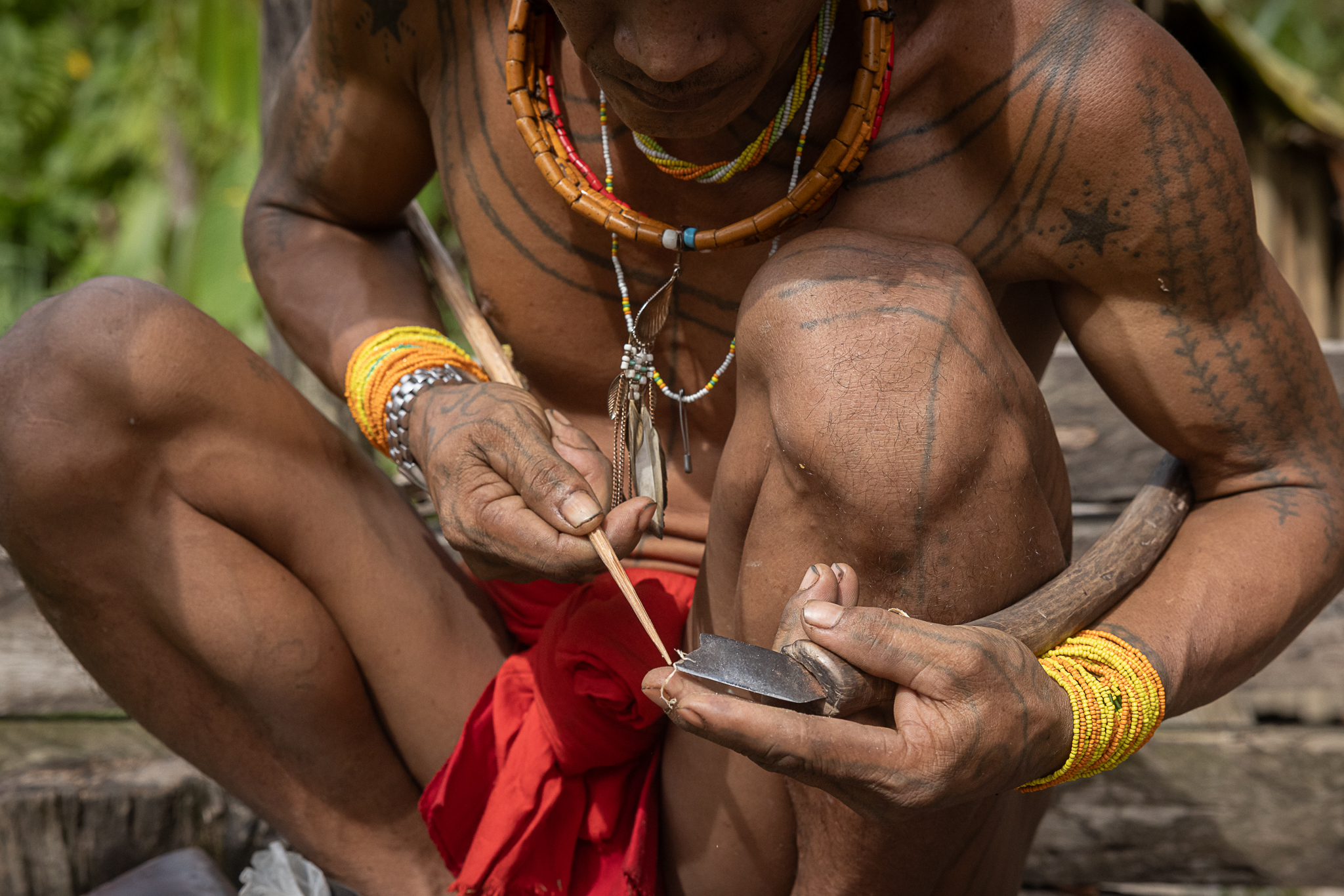
Among these new implements, only one can truly be considered a Mentawai creation: the balugui.
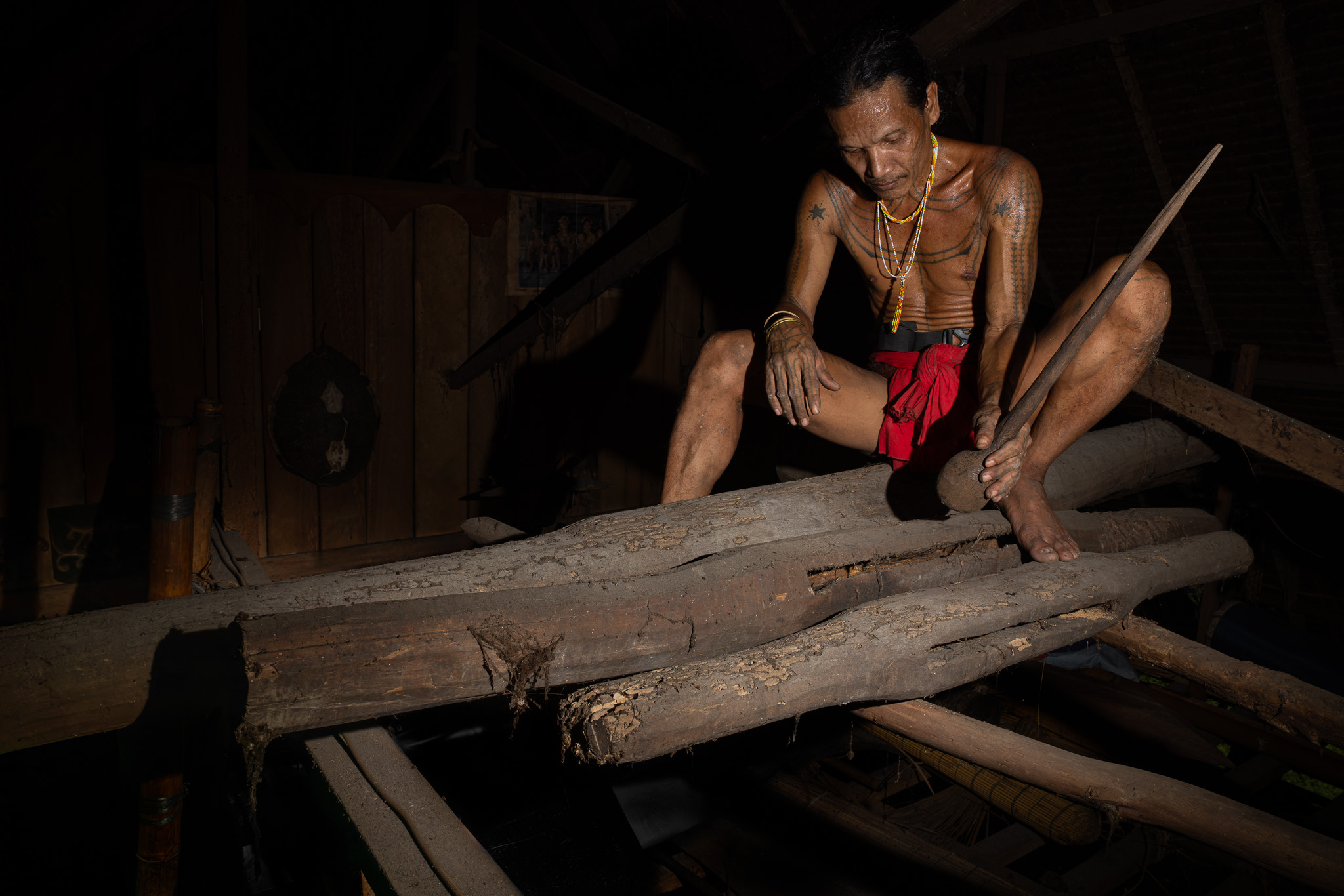
This small, curved knife is fashioned from the repurposed tip of a machete — trimmed, sharpened, and set into a bent rattan or wooden handle. Despite its humble origin, the balugui is a versatile and highly valued tool. With it, artisans split and weave rattan, shape bowstrings, carve tobacco containers, prepare ingredients for betel, and incise the flowing decorative patterns seen on uma walls and ritual objects.
Its compact form makes it ideal for fine, controlled work, and many craftsmen carry a personal balugui for the delicate tasks it excels at.
The balugui is used for more refined wood carving
The introduction of metal did not alter Mentawai aesthetics or craftsmanship; it simply expanded what was possible. Household objects, ceremonial items, and even children’s toys continued to follow long-established motifs — but iron allowed these forms to be produced with greater ease and finer detail.
 
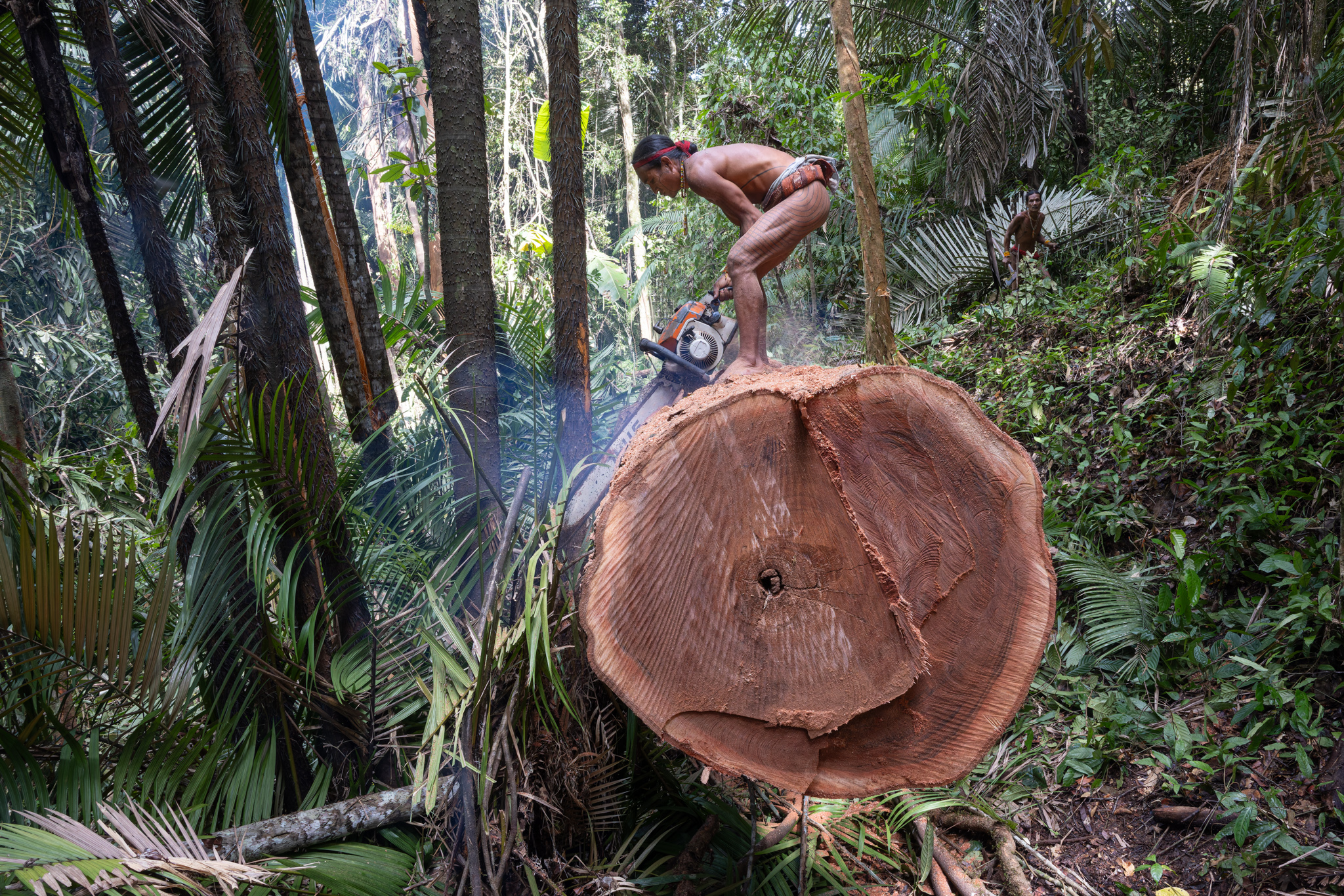
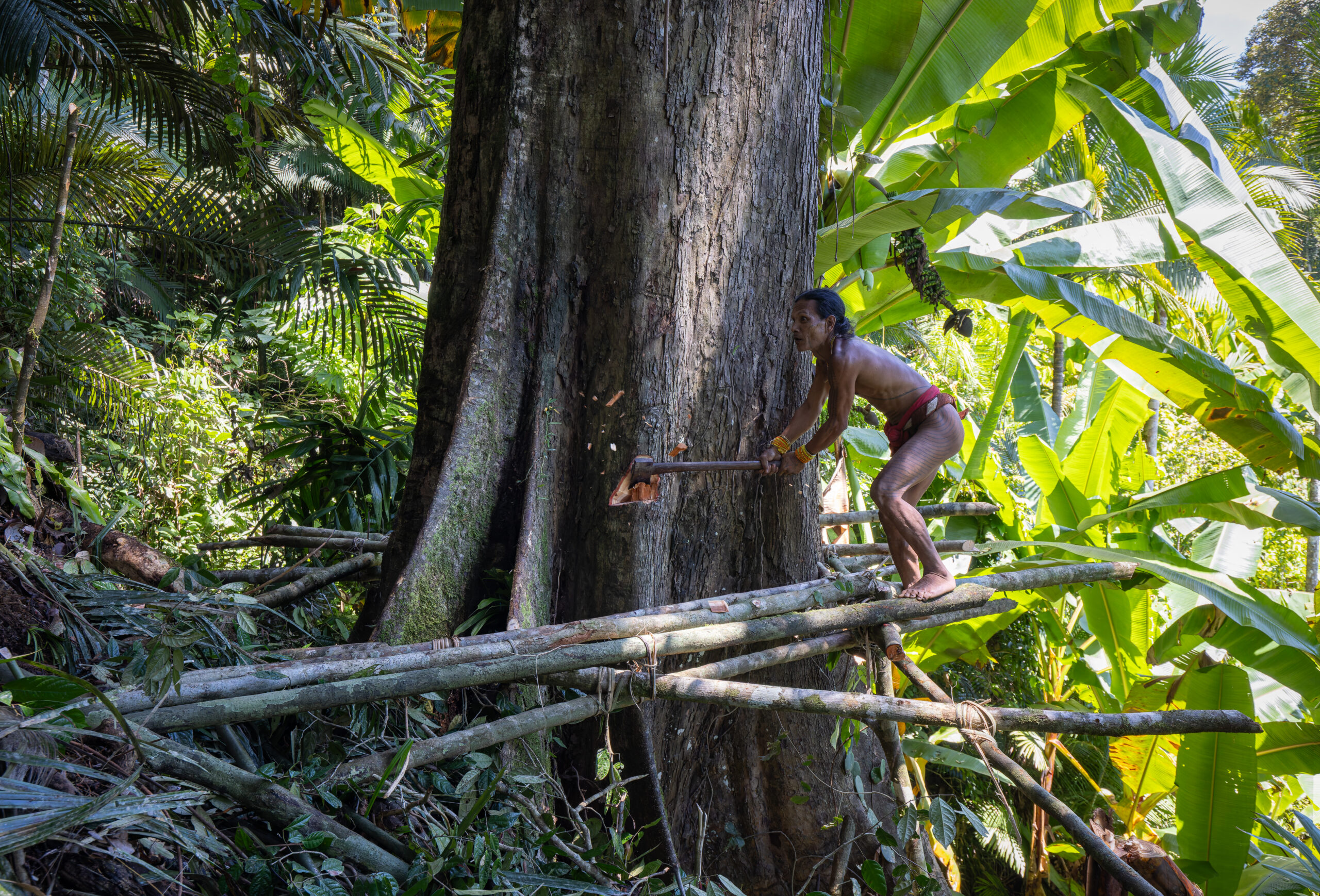
In recent decades, chainsaws have entered the toolkit. Their harsh rhythm echoes along the river valleys during construction or logging, marking another step in the long journey from stone blades to steel teeth. For felling large trees or hollowing canoe logs, they save significant time.
Yet even as new technologies appear, many Mentawai still rely on the machete and the ever-present balugui — tools that link past and present in the daily work of shaping life in the forest.
Aman Manja using an axe to fell a giant tree, which will be used to make a dugout canoe

Smoking

A Breath of the Forest — Smoke as Companionship​
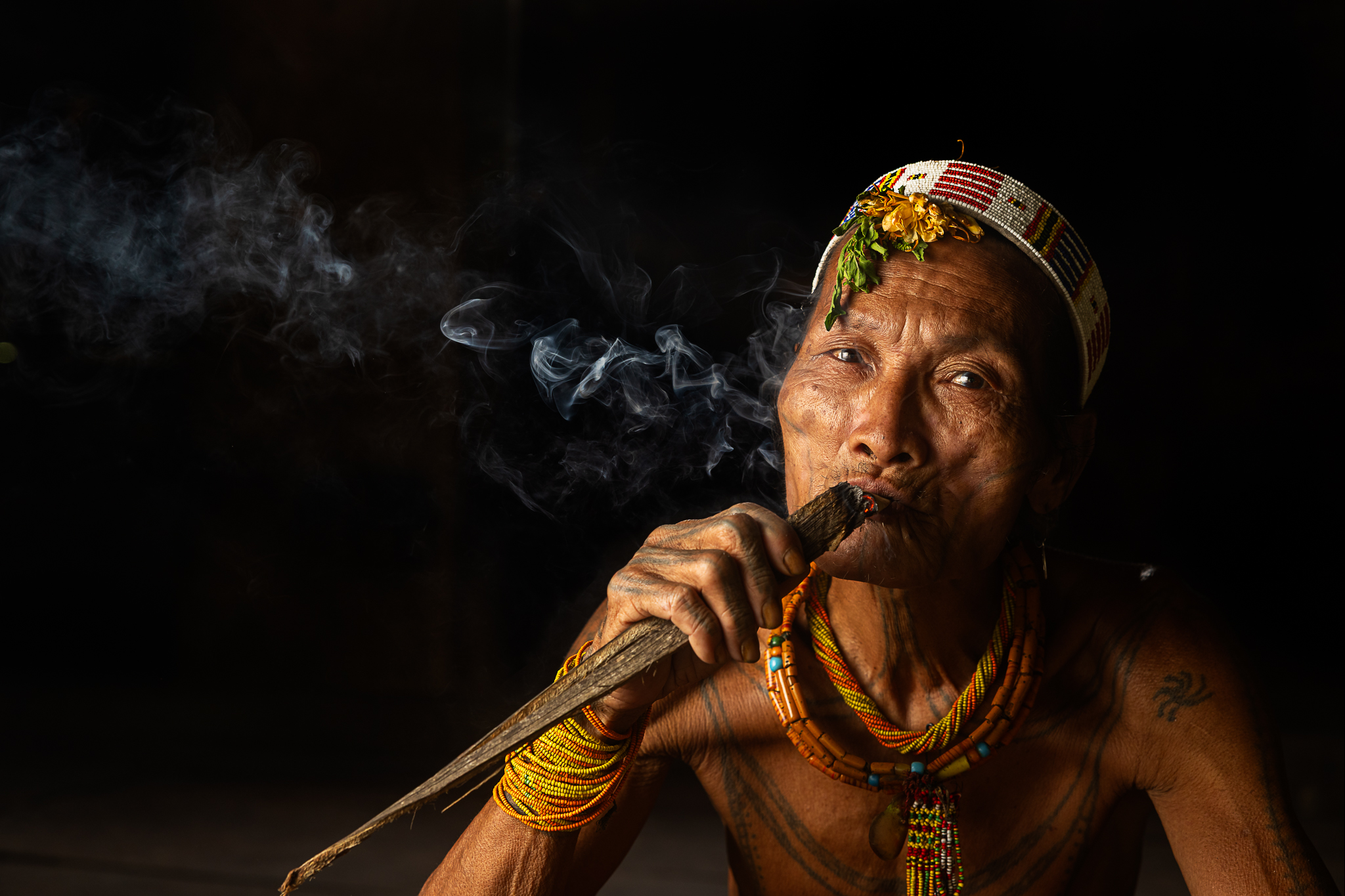
Ubek — hand-rolled cigarettes — are woven gently into daily Mentawai life. Tobacco or dried, sliced taro leaves are wrapped in young banana or nipah palm leaves, sun-dried to make natural, aromatic papers. The smoke is light and earthy, carrying the scent of forest and hearth.
 
Men often keep a smoldering piece of coconut spathe glowing at all times, ready to ignite a fresh roll. Sharing ubek is an act of hospitality and companionship, offered to visitors and exchanged during conversations, ceremonies, or moments of rest.
 
Change, however, is underway. Many young Mentawai now prefer factory-made cigarettes — easier to carry, easier to light, and milder in taste. The shift marks a subtle transition from a self-made, forest-based practice to one shaped by outside goods.
Elderly person with traditional accessories.
Aman Tubuh using a smoldering coconut spathe to light his traditional smoke, tobacco rolled in a dried banana leaf wrapper

Jaua — Carved for Tobacco

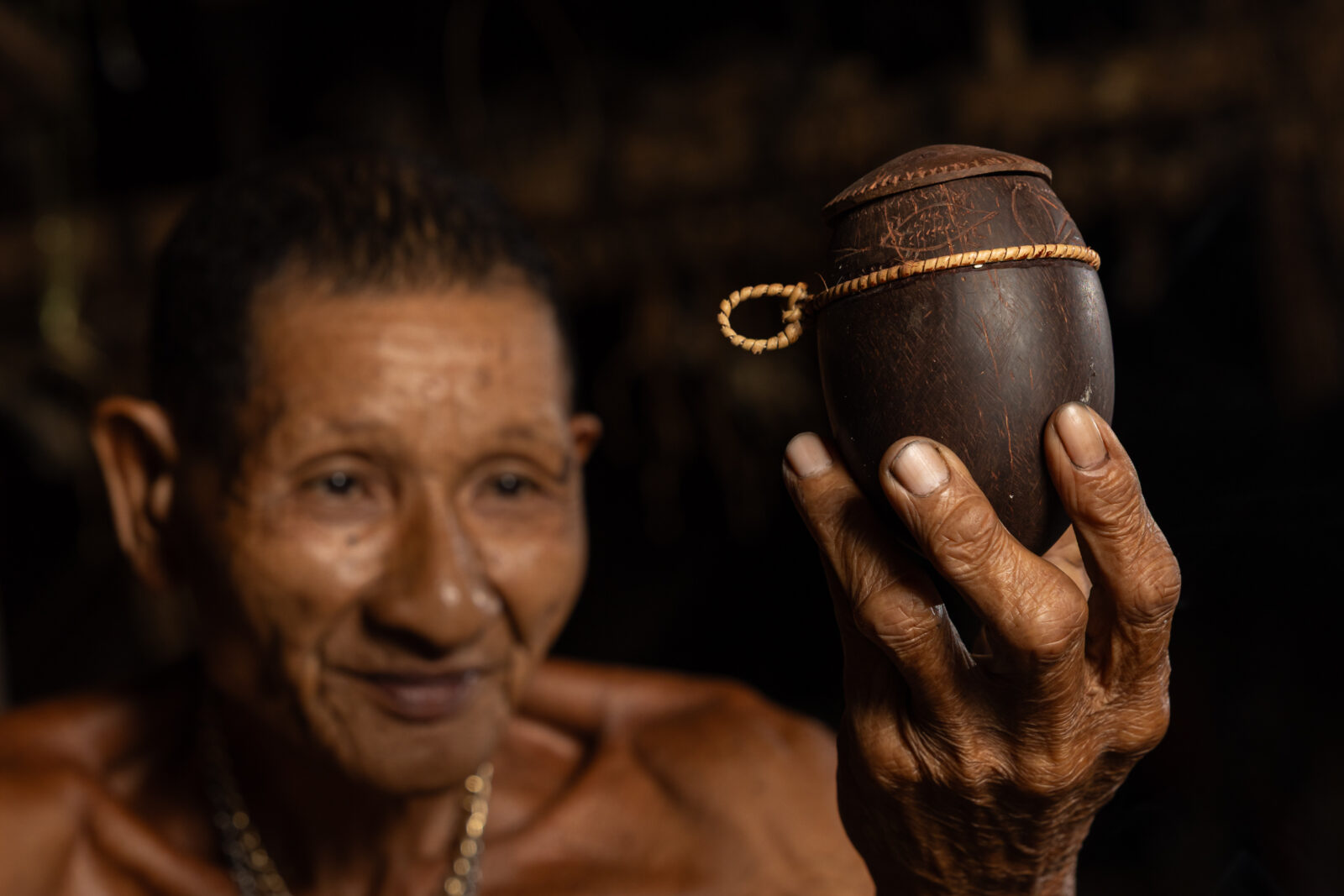
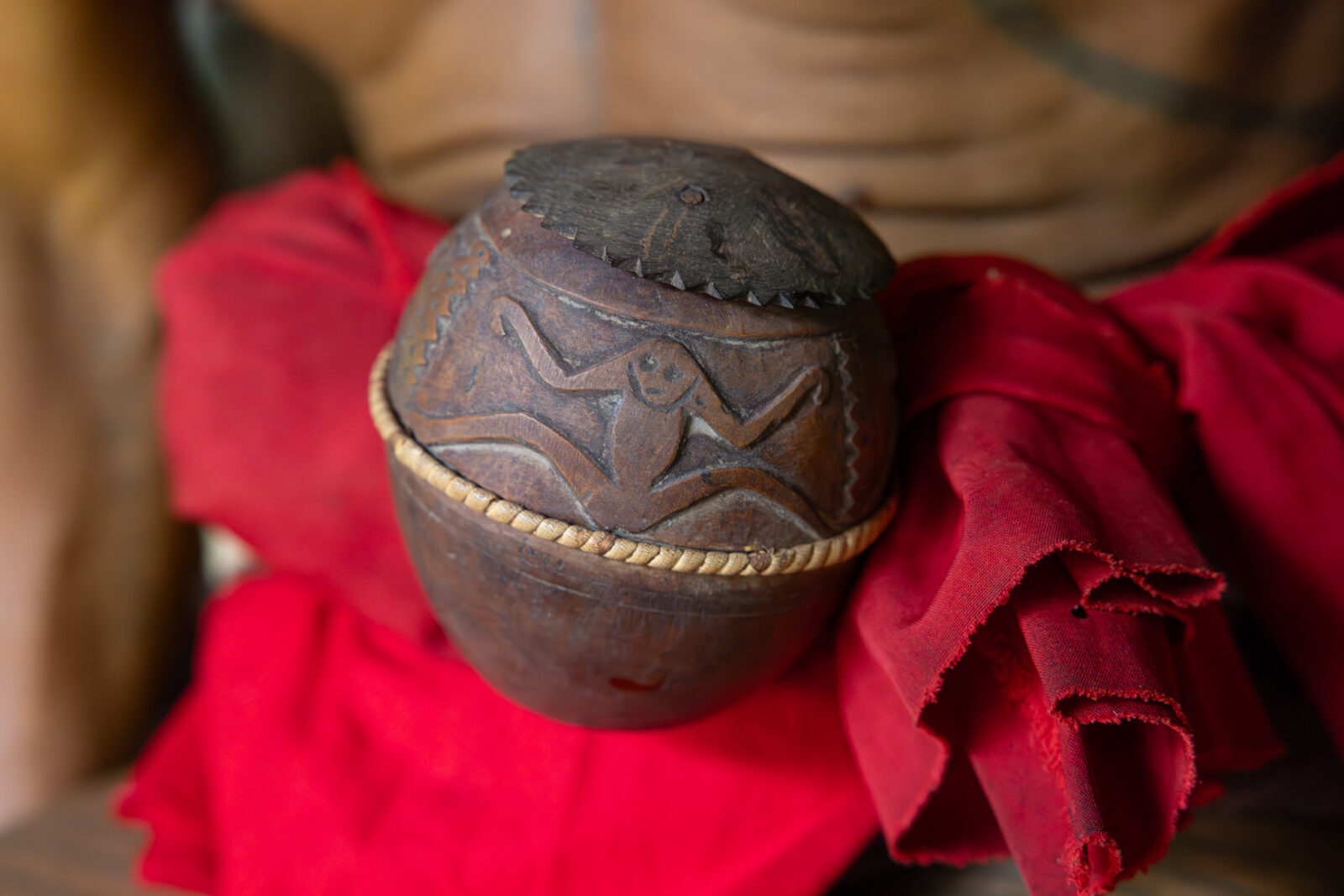
The jaua is the traditional Mentawai tobacco container used by men, carved from a coconut shell with a wooden or coconut-shell lid. Many are decorated with incised designs, often featuring the bilou — the Mentawai gibbon — an animal closely associated with the forest and with ancestral stories.
 
Men wore the jaua on a rope or rattan cord around the waist, keeping tobacco close at hand and ready to share. Smoking was never only a personal habit; it functioned as a social gesture, reinforcing bonds between kin, neighbors, and guests.
 
Women traditionally used decorated bamboo containers, which held tobacco along with betel nut and its ingredients.
 
Today, the jaua has been largely replaced by small plastic bags and store-bought lighters — quiet symbols of a culture adapting to a rapidly modernizing world.
jaua, a traditional Mentawai tobacco container made from a coconut shell
error: Content is protected !!
Scroll to Top